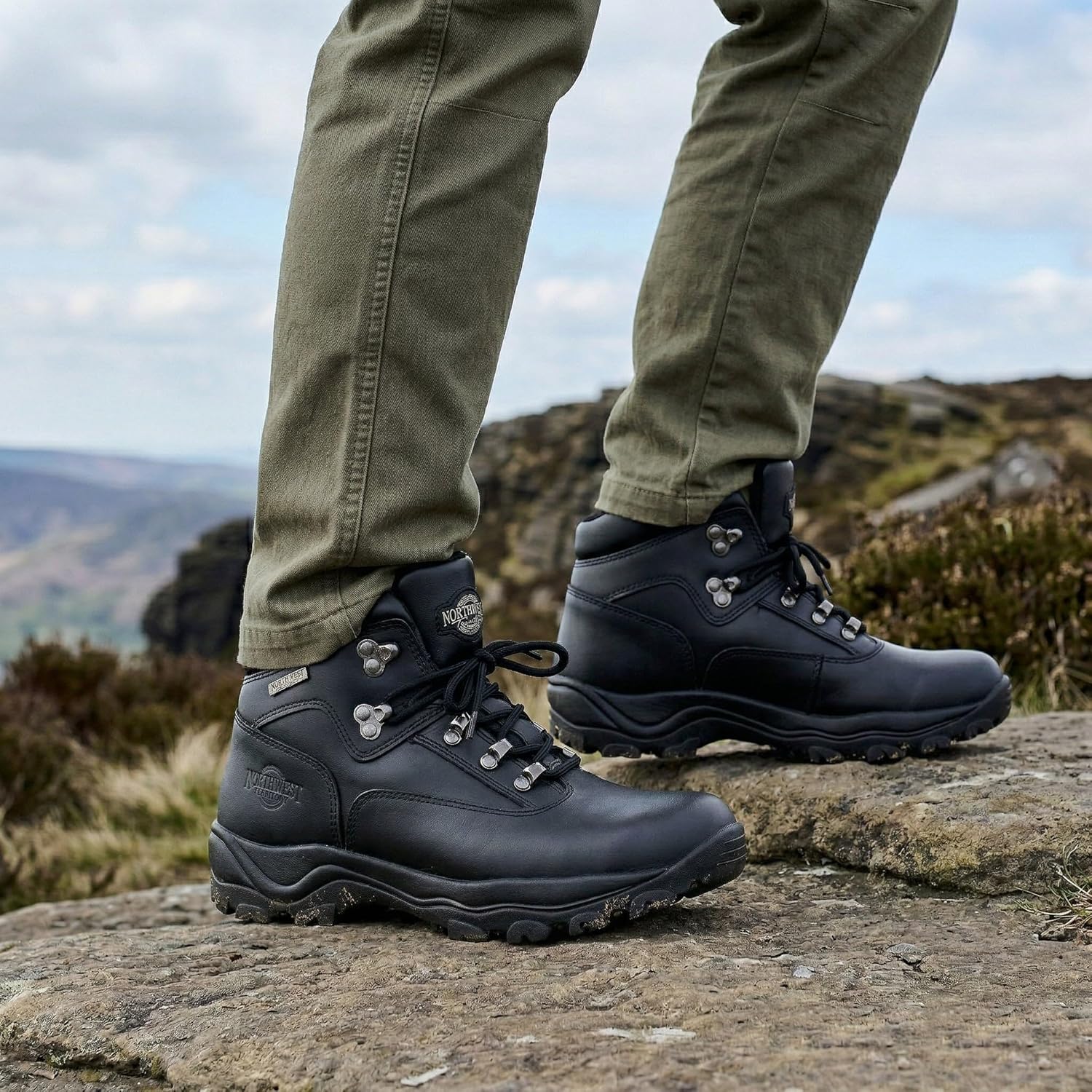
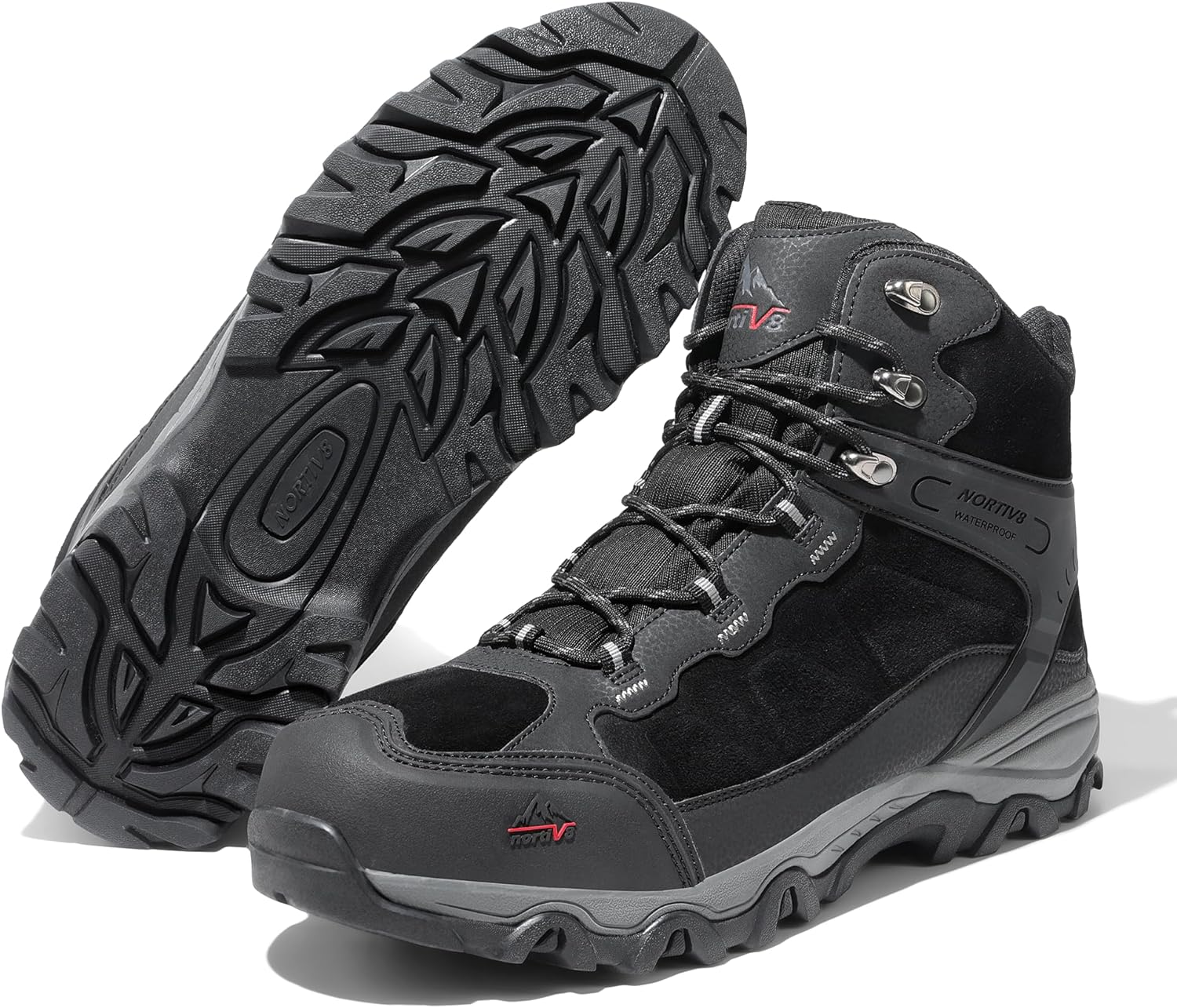
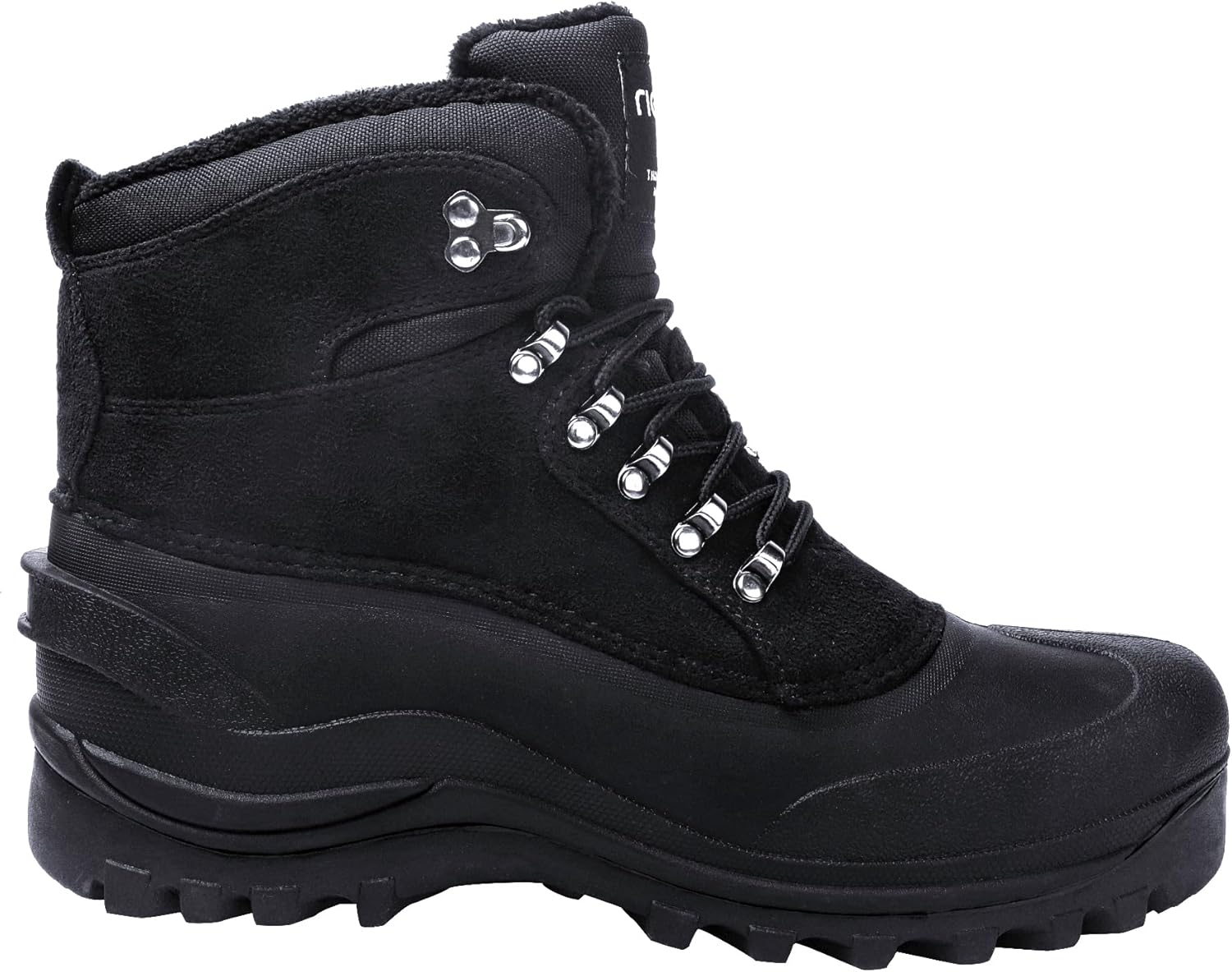
Traction, stability, and ankle support on demanding hunting terrain
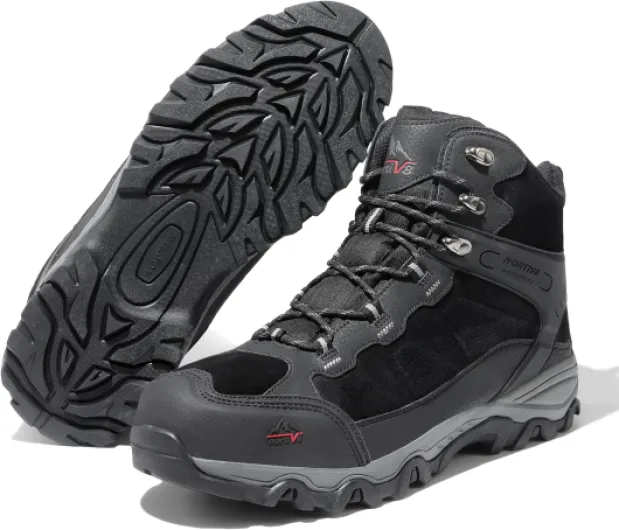
Traction separates average hiking boots from the best hiking boots for hunting on steep or wet ground where a slip can end a trip. Deep lugs, a climbing zone at the toe, and a firm heel brake help the boot bite into mud, snow, and loose gravel when you sidehill with a heavy pack or quartered game. Before you commit to any boot, study the outsole pattern and rubber compound as carefully as you check price or weight, because these details determine grip and wear life.
Hunters who spend most days on rocky ridges or alpine basins should prioritise aggressive traction similar to the models highlighted in this guide to top hiking boots with aggressive traction. That level of grip, combined with strong ankle support, reduces the risk of slips when you track game across mixed terrain after a sudden storm or overnight freeze. On forest trail and lowland marsh, a slightly softer rubber compound improves grip on wet roots and moss but may wear faster on sharp rock and talus.
Stability comes from more than just the outsole of the boot or the stiffness of the midsole under your arch. A well designed heel cup, a supportive insole, and a snug midfoot wrap keep your feet centred over the platform of the hiking boot even when you sidehill with a quartered load or scramble through blowdowns. When you compare hiking boots and hunting boots, lace them tightly and stand on one foot, then rock side to side to feel how much support the boot will provide under a shifting pack and awkward angles.
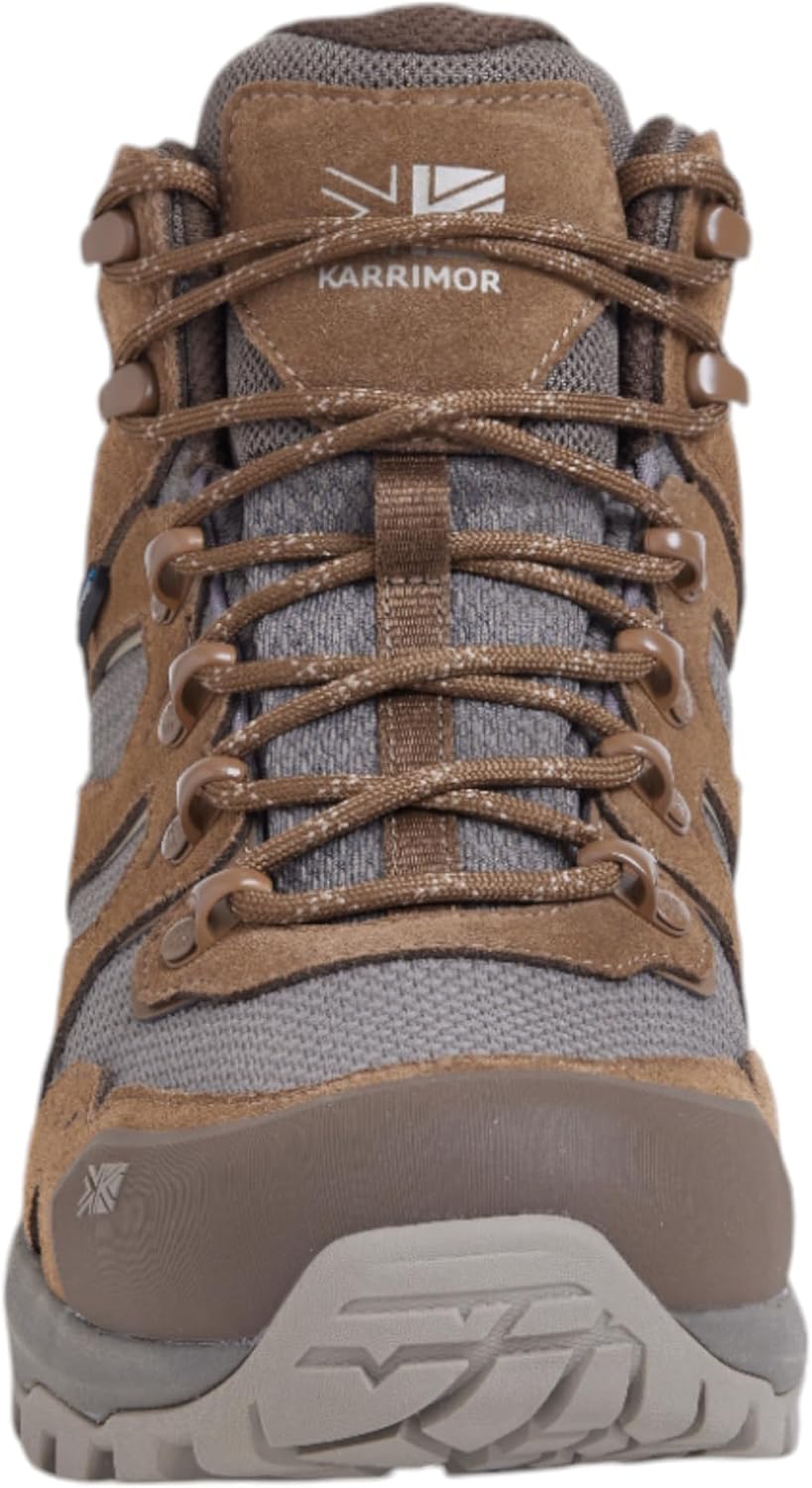
Ankle support matters most when you carry heavy loads off trail in broken country or navigate loose scree. A taller leather upper or synthetic cuff stabilises the ankle joint, while a carefully shaped collar avoids pressure on the Achilles during long day hikes and repeated climbs. For hunters who prefer more freedom of movement, a mid height GTX design, often labelled as a mid GTX model, can balance ankle support with a more natural hiking stride and easier stalking.
Do not overlook the interaction between traction, stability, and comfort when you judge the best hiking boots for hunting across a full season. A boot with extreme stiffness may feel secure on steep mountain faces but punishing on flat approaches, while a very flexible hiking shoe can feel great on the first day yet leave your ankles tired by the third. The right compromise depends on your typical terrain, pack weight, and personal tolerance for stiffness underfoot, so be honest about how and where you actually hunt.
Waterproofing, insulation, and seasonal performance for serious hunts
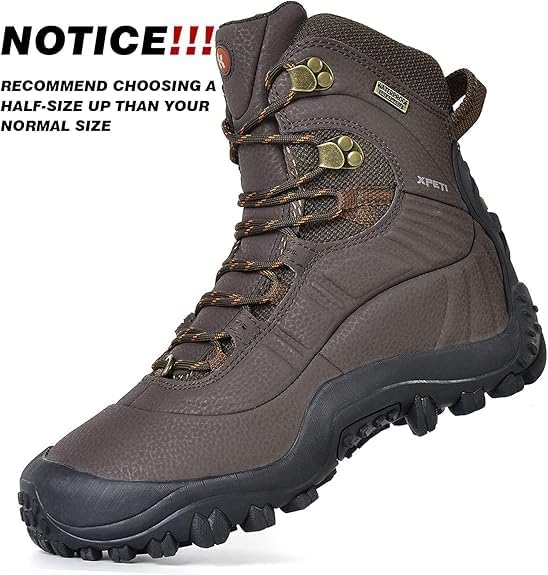
Seasonal conditions dictate whether your best hiking boots for hunting should prioritise waterproof protection, insulation, or rapid drying after storms. Early season and mid season hunts often involve warm days, cool nights, and frequent stream crossings, so a breathable waterproof boot with a modern GTX membrane works well for most hunters. In contrast, late season mountain hunts demand more insulation and a different balance between waterproof performance and internal moisture management when snow and ice dominate the landscape.
Many premium hiking boots and hunting boots use Gore Tex or similar GTX technology to create a waterproof yet breathable barrier around your feet that still allows some vapour to escape. While a Gore Tex liner keeps external water out, sweat still needs a path to escape, which is why pairing the boot with moisture wicking socks matters as much as the membrane itself for comfort. When you read any GTX review, pay attention to comments about condensation, clamminess, and drying time, not just the headline claim of waterproof protection or marketing labels.
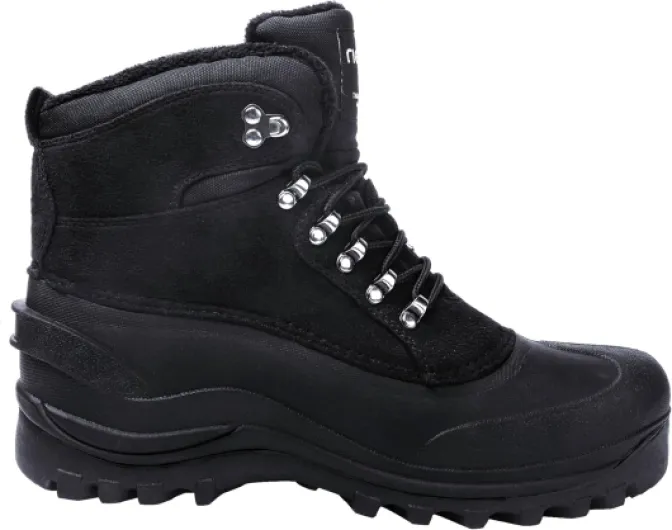
Insulation levels in a hunting boot should match both the climate and your personal circulation rather than a generic temperature rating. A lightly insulated boot suits active hiking and frequent climbs, because your feet generate heat with every step on the trail or during long day hikes and ridge traverses. For static glassing sessions or tree stand sits in late season snow, a more heavily insulated hunting boot or mountain extreme style boot keeps toes warm when movement slows and windchill rises.
Some hybrid designs, such as a trek GTX style hiking boot, combine a supportive chassis with a moderate insulation package for mixed season use from early autumn through the shoulder of winter. These boots often feature a robust leather upper with partial synthetic panels to reduce weight while maintaining durability in rocky mountain terrain and dense timber. When you compare such models, consider how the boot will perform across the full season rather than on a single cold morning or one warm afternoon.
Backpack hunters who cover long distances should also think about how quickly their boots dry after a full day of rain or repeated creek crossings on multi day trips. A fully waterproof leather boot may take longer to dry than lightweight hiking shoes with partial mesh, which can matter on multi day trips when you cannot sit in camp waiting for gear to dry. For extended backpack hunts, many experienced mountaineers consult resources like this overview of top hiking boots for backpacking trips and then adapt those insights to the specific needs of hunting boots and pack out scenarios.
Fit, comfort, and foot health under heavy hunting loads
Even the most technically advanced hiking boots fail if the fit is wrong for your feet and gait. The best hiking boots for hunting cradle the heel, support the arch, and leave enough room in the toe box to prevent black toenails on steep descents and long sidehills. A well fitted boot will feel snug but not constricting, with no hot spots after at least thirty minutes of walking on varied surfaces.
Hunters with wide forefeet or prominent bunions should prioritise boots with a generous anatomical toe box, because cramped toes quickly lead to blisters during long trail climbs and contouring traverses. Some models, such as the Zamberlan Vioz GTX line, are known for a slightly roomier forefoot while still providing strong ankle support and a secure midfoot wrap that locks the heel. When you test any Vioz GTX style boot, pay attention to how the leather upper breaks in over the first few days, as full grain leather gradually moulds to the shape of your feet and reduces pressure points.
Comfort over a full hunting day depends on cushioning, flex pattern, and how the boot interacts with your gait when you are tired. A stiffer mountain extreme chassis may feel harsh on flat ground yet shines when you sidehill with a heavy pack, while a more flexible hiking shoe feels lively on the approach but less supportive under a load or during a long pack out. To judge long term comfort, simulate a real hunting day by walking stairs, sidehills, and uneven ground in the store or at home while wearing your actual hunting socks.
Insoles and socks complete the comfort system inside any hiking boot or hunting boot and can fine tune the fit. Upgrading from thin stock insoles to supportive aftermarket footbeds can transform how a boot supports your arch and reduces fatigue over repeated day hikes and steep climbs. Pair those insoles with merino or synthetic socks that manage moisture, because dry feet stay warmer, avoid blisters, and maintain better sensitivity on technical terrain and loose scree.
Foot health also depends on regular care of both boots and skin, especially during long seasons. Clean your boots after muddy hunts using a dedicated footwear cleaning kit, such as the one reviewed in this boot cleaner and brush test, then dry them away from direct heat to protect the leather upper and any Gore Tex membrane. At the same time, inspect your feet for hot spots, tape sensitive areas, and adjust lacing patterns to fine tune pressure distribution before the next hunt or training hike.
Materials, construction, and value when you check price
Understanding materials and construction helps you judge whether a pair of hiking boots or hunting boots offers real value beyond the initial price tag and marketing claims. Full grain leather, robust stitching, and a quality midsole often cost more upfront but deliver many seasons of reliable performance in harsh mountain terrain and dense brush. When you check price, think in terms of cost per hunting day rather than the number on the box or the size of the discount.
Leather uppers provide excellent abrasion resistance and natural water resistance, especially when treated regularly with wax or cream to maintain suppleness. Synthetic panels reduce weight and improve out of the box comfort, but they may not match leather for long term durability on sharp scree or deadfall choked trail where cuts and tears are common. A hybrid boot that combines a leather upper in high wear zones with synthetic fabric elsewhere can strike a smart balance between durability, comfort, and overall boot weight for all day hunts.
Many premium models use a stitched or cemented construction that allows resoling, which extends the life of the boot significantly and reduces waste. If you invest in a high end mountain extreme or trek GTX style boot, resoling once the lugs wear down can be far cheaper than replacing the entire boot, especially when the leather upper still has years of life and the fit is dialled in. This is where understanding long term value matters more than chasing the lowest price at a seasonal sale or flash promotion.
Retailers such as REI often list a transparent price, and savvy hunters compare that price at REI with specialist shops that focus on hunting gear and boot fitting. When you evaluate price at REI or any other retailer, factor in the store’s boot fitting service, return policy, and potential loyalty rewards, because these elements add real value beyond the sticker cost and can offset a slightly higher price. A slightly higher price at a shop that offers expert fitting can save you from expensive mistakes and painful feet during the season.
Brand specific models like the Irish Setter hunting boot lines or the Vioz GTX trekking boot families illustrate how construction choices affect both performance and value in real use. Irish Setter boots often blend traditional leather craftsmanship with modern waterproof membranes, while Vioz GTX boots lean toward technical mountain performance with a supportive chassis and precise fit. Reading a detailed GTX review for each boot family helps you understand how the materials, fit, and support characteristics align with your own hunting style, terrain, and pack weight.
Specific models, niche needs, and when to choose specialised designs
Not every hunter needs a fully specialised mountain extreme boot, but some scenarios demand that level of performance and protection. Steep alpine chamois or ibex style hunts, for example, require a boot that edges confidently on rock, supports heavy loads, and remains predictable on snow covered ledges and frozen scree. In such cases, the best hiking boots for hunting look very similar to technical mountaineering boots, with only minor differences in insulation, flex, and overall weight.
For mixed forest and farmland hunting, a lighter boot or even robust hiking shoes may serve better than a rigid alpine design that feels overbuilt. These environments reward lightweight footwear that allows quick, quiet movement and reduces fatigue over repeated day hikes and still hunts in rolling country. A mid GTX boot height often works well here, because it offers enough ankle support for uneven ground without the bulk of a full height hunting boot that can feel cumbersome in brush.
Waterfowl and marsh hunters face different challenges, where prolonged standing in water or saturated ground overwhelms standard waterproof hiking boots and mid GTX designs. While chest waders handle the deepest water, a dedicated waterproof hunting boot with a tall rubber lower and insulated shaft keeps feet warm during long, static sessions in blinds. In these cases, the priority shifts from precise edging and trail feel to absolute waterproof protection and thermal comfort over many hours.
Some hunters also need specialised fits, such as extra wide toe boxes or high volume insteps that standard lasts cannot accommodate. Brands that offer multiple width options or specific last shapes, like certain Irish Setter and Vioz GTX variants, can accommodate these needs better than one shape fits all designs that dominate mass market shelves. When you read a detailed GTX review or consult a guide max style sizing chart, pay attention to comments from users with similar foot shapes and hunting styles to your own.
Finally, consider how your footwear system integrates with gaiters, crampons, or snowshoes during late season hunts and winter scouting. A compatible boot will accept strap on traction devices without excessive heel lift, and the leather upper should resist abrasion from gaiter straps and buckles over repeated trips. By matching specific boot models to your niche needs, you turn the broad category of hiking boots and hunting boots into a precise tool that supports every step of your hunting season from trailhead to pack out.
Key statistics on hiking and hunting footwear performance
- A survey by the American Podiatric Medical Association reported that around 77 % of hikers who experienced foot pain were wearing footwear that did not fit correctly, highlighting how critical proper boot fit and toe box volume are for long hunting days (American Podiatric Medical Association, “Public Opinion Research on Foot Health and Care,” 2014, www.apma.org).
- Field testing by Backpacker magazine found that waterproof boots with modern membranes such as Gore Tex averaged 15–25 % longer drying times than non membrane hiking shoes after full saturation, which matters for multi day backpack hunts in wet climates (Backpacker Gear Test, “Waterproof Footwear Lab,” 2019, www.backpacker.com).
- Data from the U.S. Consumer Product Safety Commission indicate that thousands of ankle injuries each year are linked to outdoor activities on uneven terrain, underscoring the value of strong ankle support and stable boot construction for mountain hunting (U.S. CPSC, National Electronic Injury Surveillance System summary tables, www.cpsc.gov).
- Industry reports from the Outdoor Industry Association show that lightweight hiking boots and shoes, defined as models under roughly 1 200 g per pair, now represent more than half of hiking footwear sales, reflecting a broad shift toward lighter gear for long distance users (Outdoor Industry Association, “Outdoor Participation and Footwear Trends,” 2022, www.outdoorindustry.org).
- Internal testing by several major boot manufacturers has demonstrated that resoling a high quality leather boot can extend its service life by 3–5 seasons, significantly improving long term value compared with repeatedly replacing cheaper, non resolable models (manufacturer durability reports and warranty data, summarised in brand technical sheets).