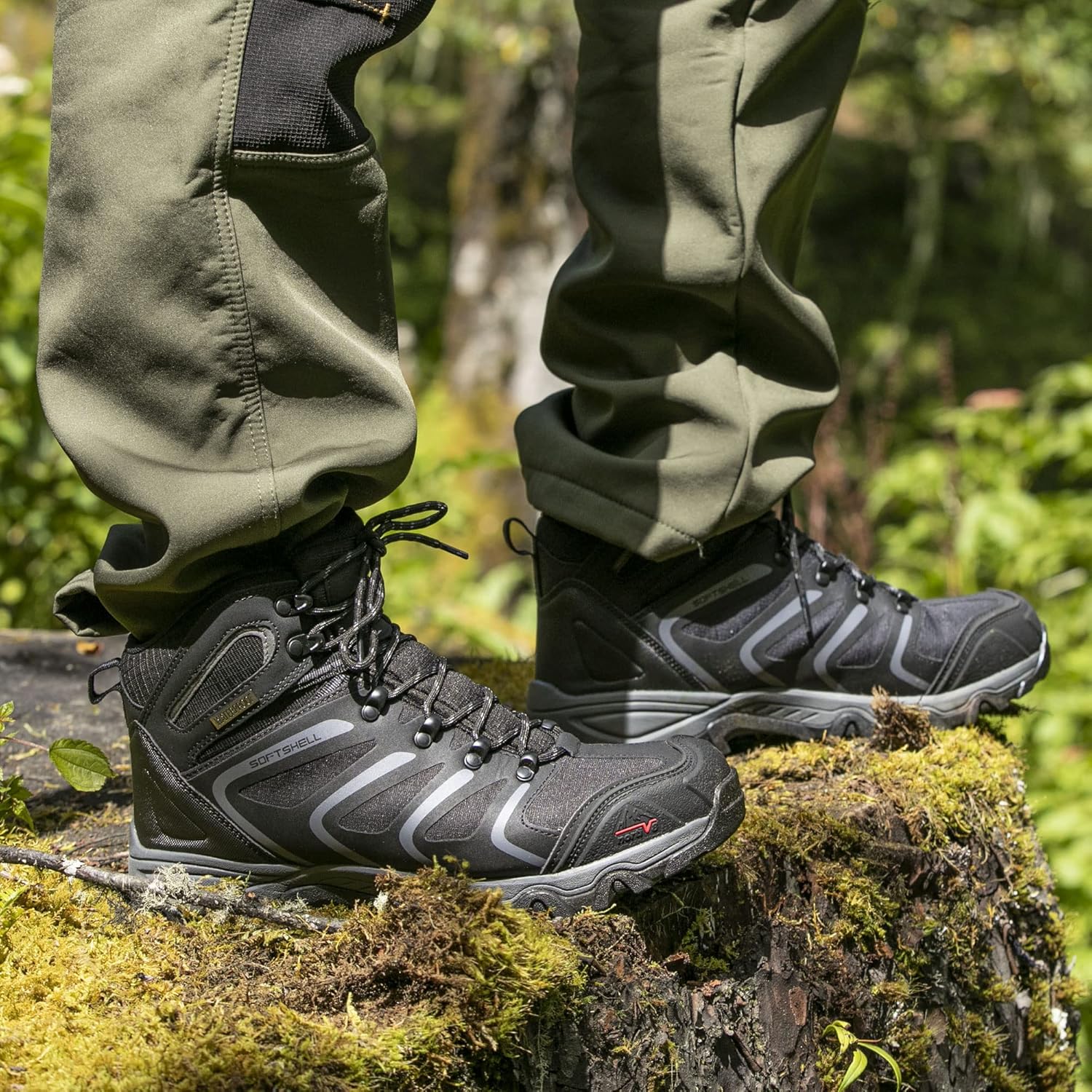
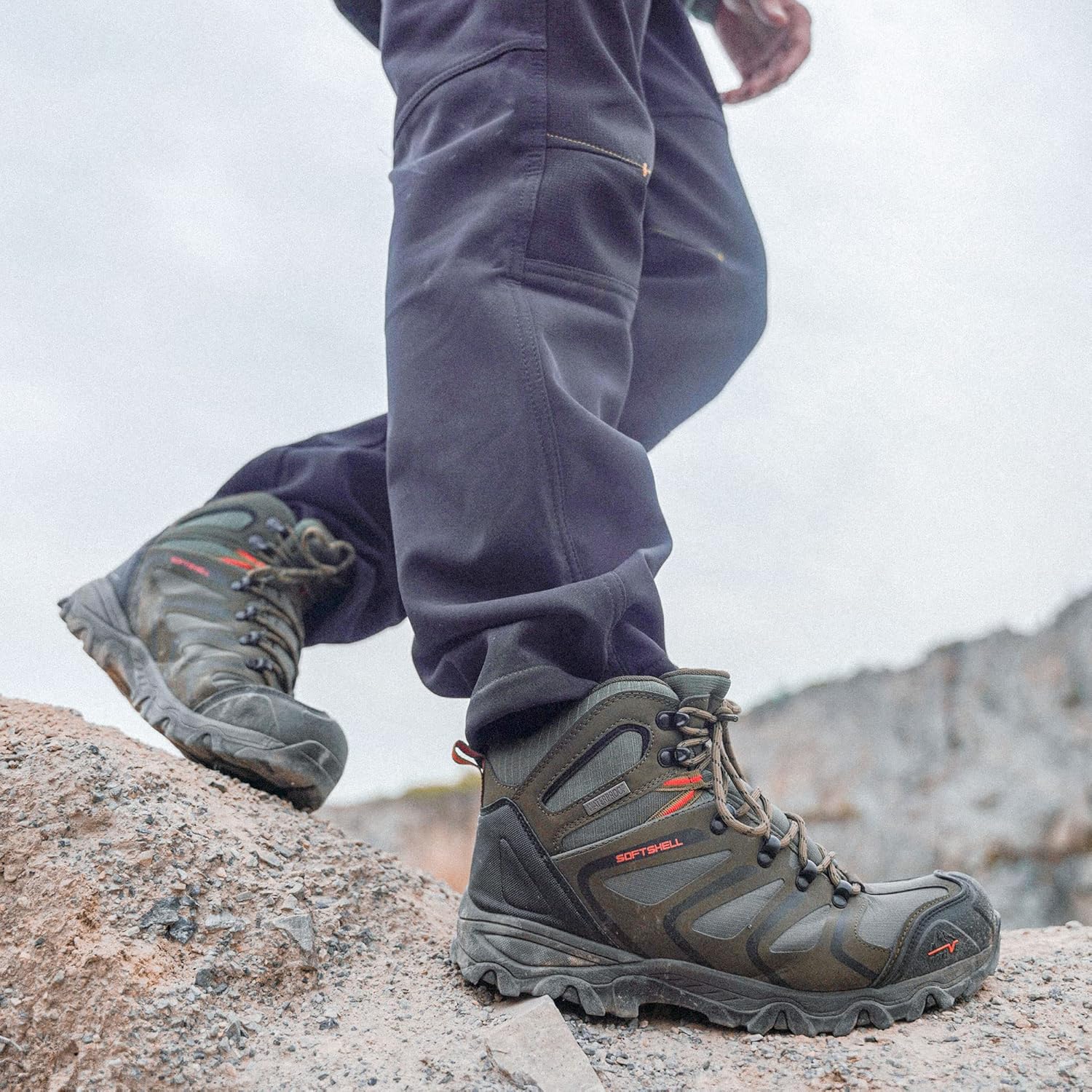
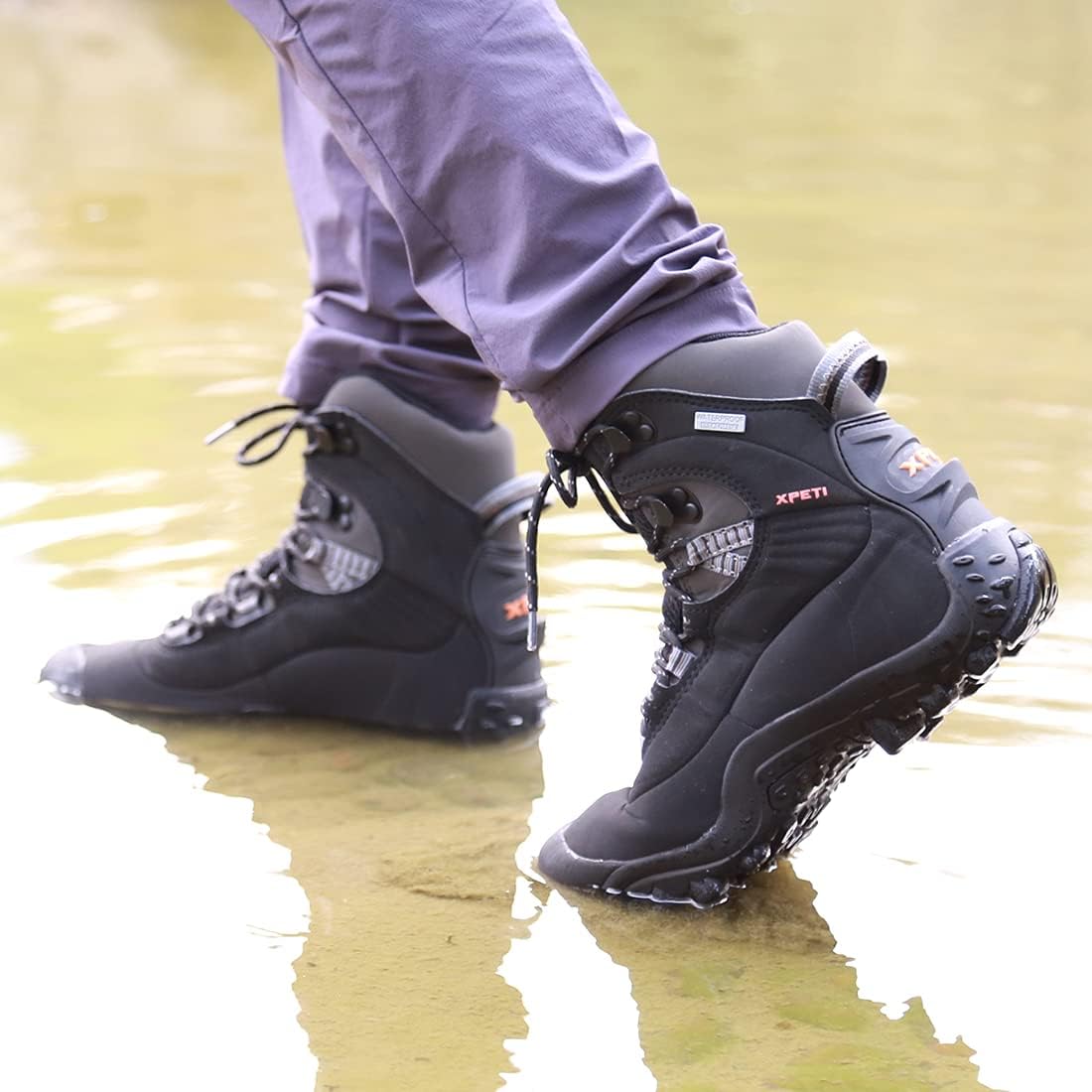
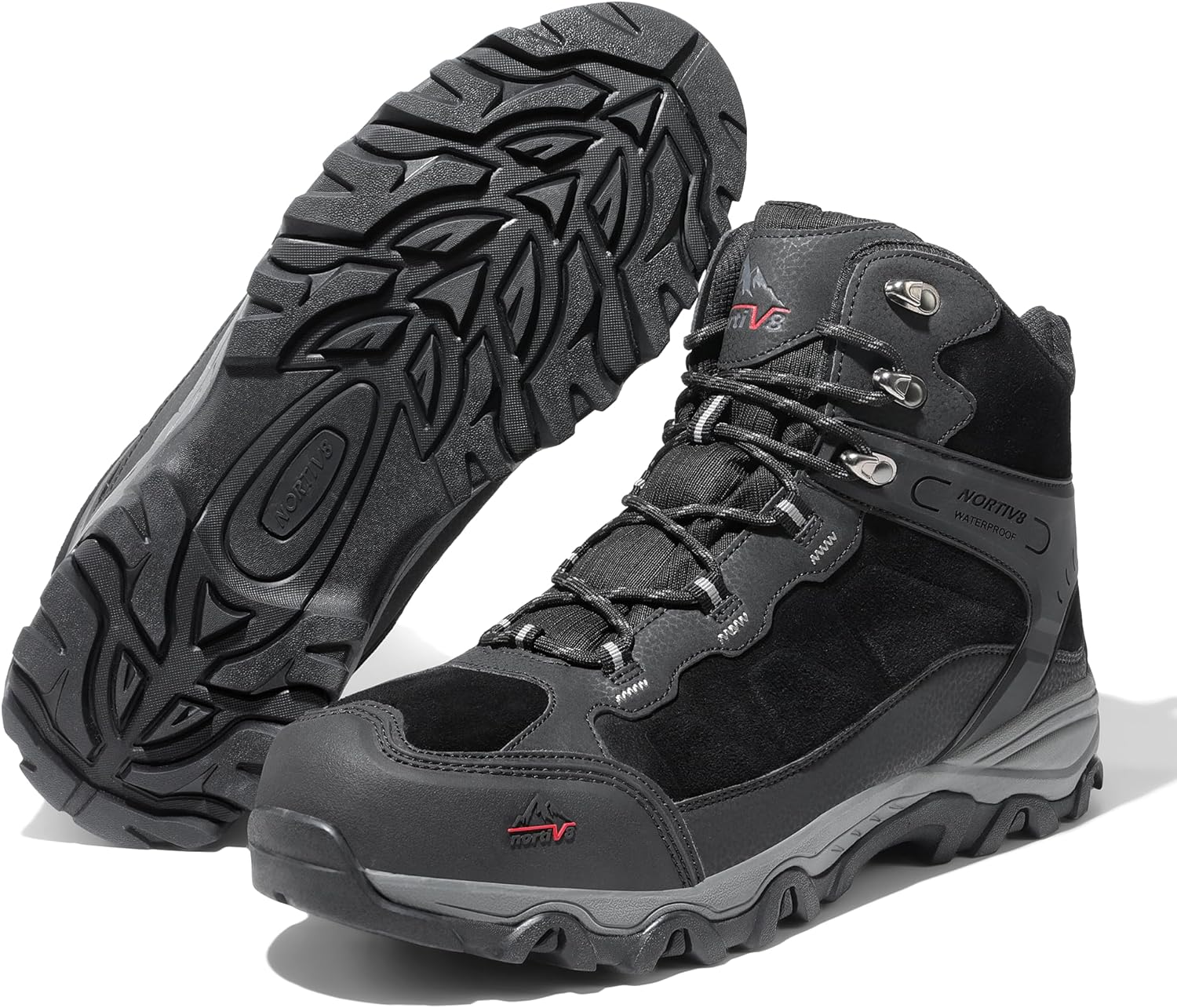
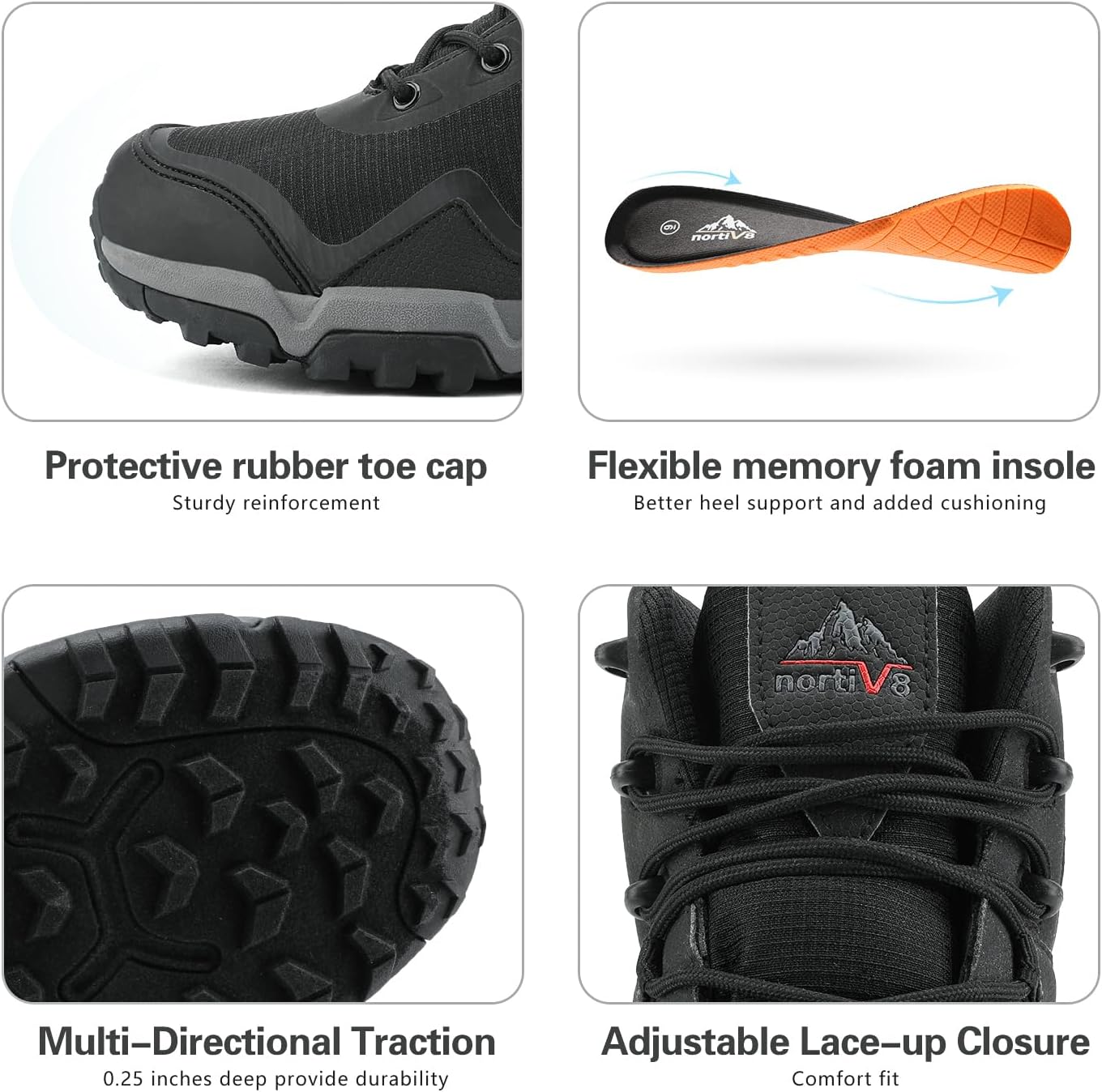
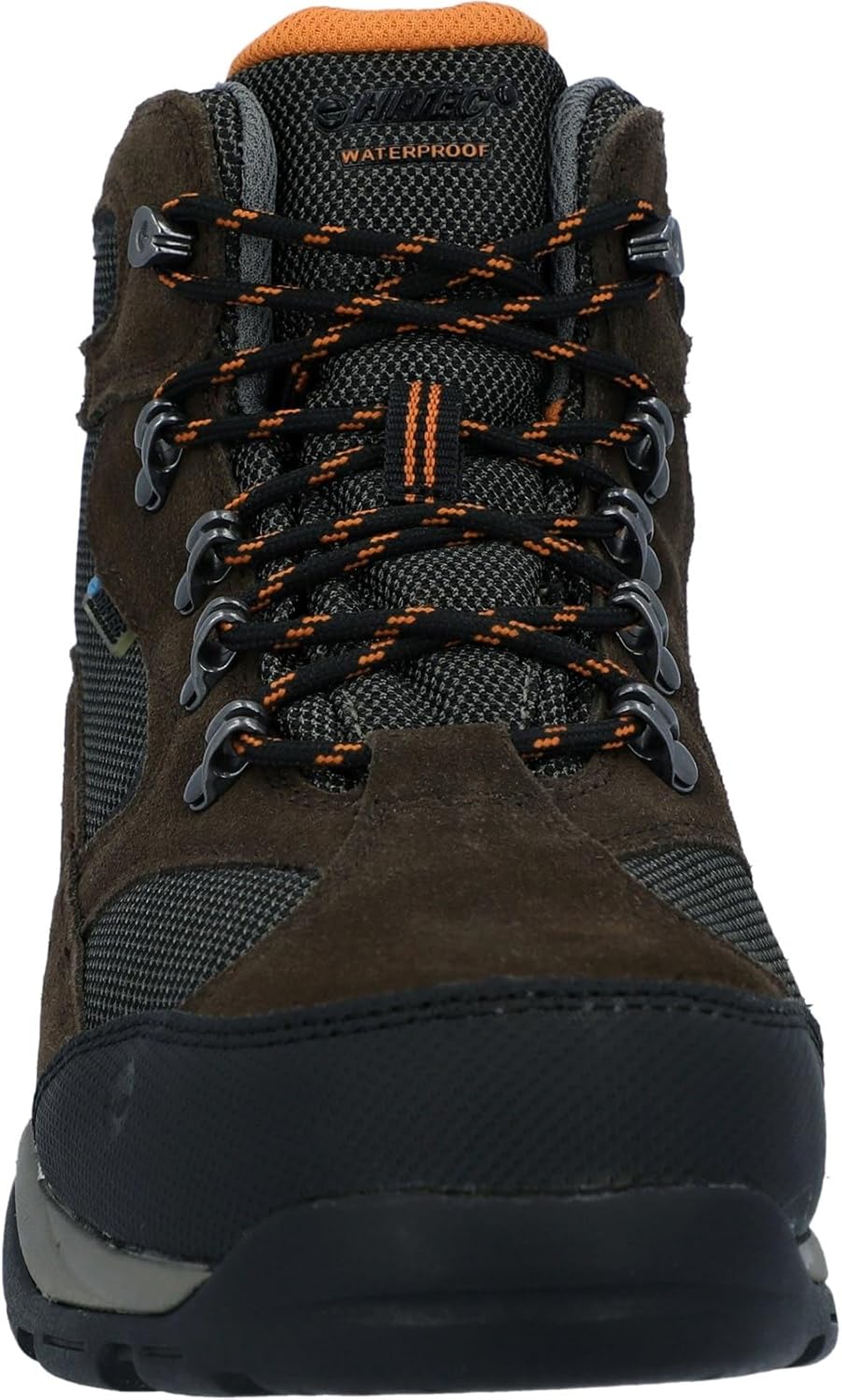
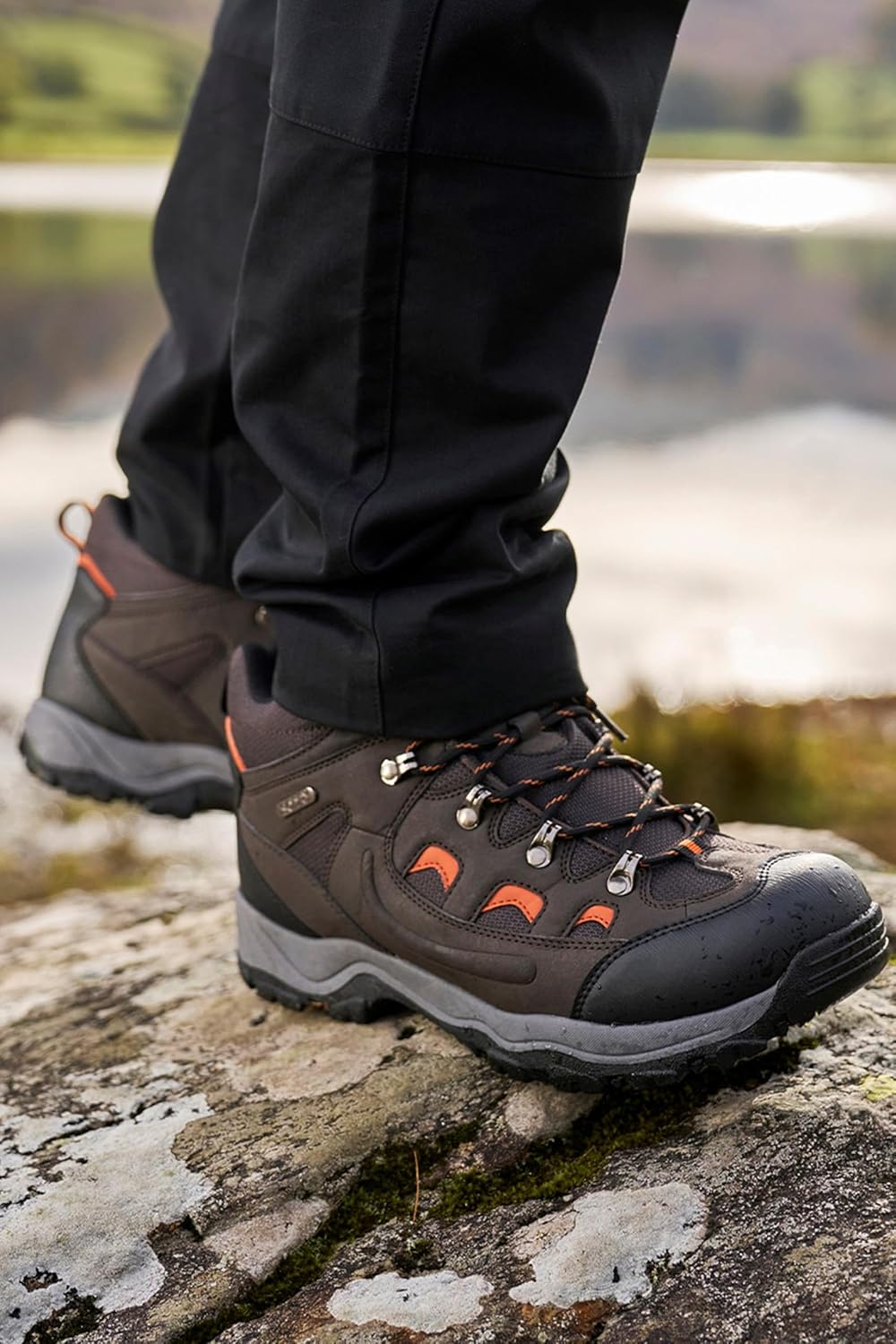
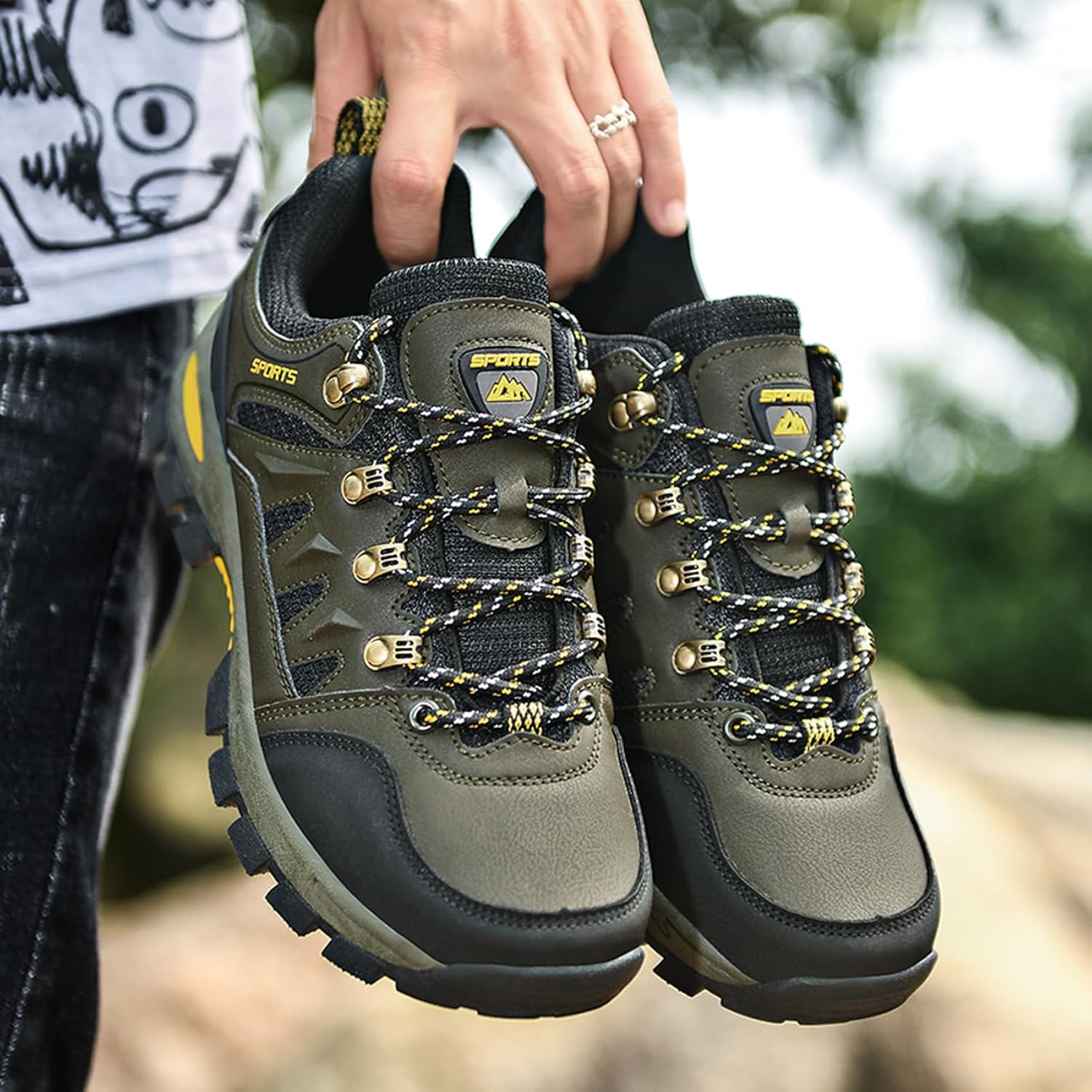
Key features that separate a great backpacking boot from the rest
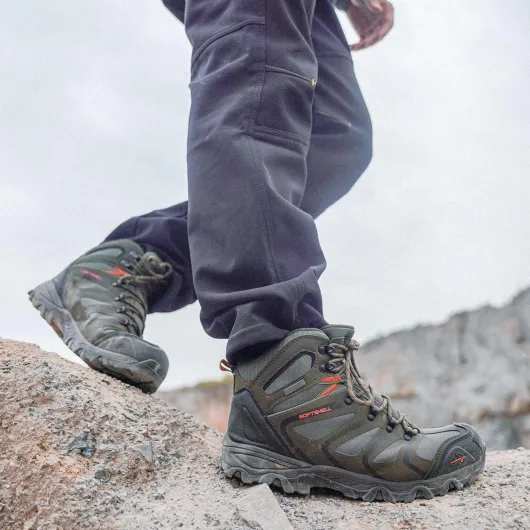
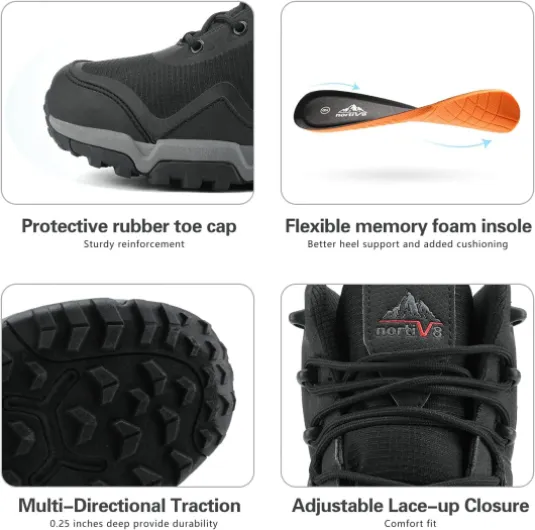
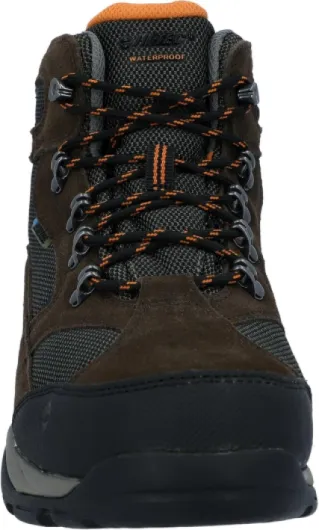
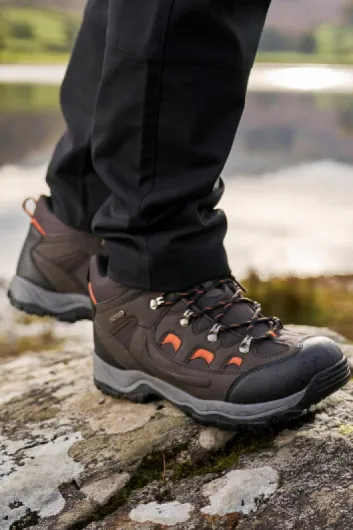
Every serious backpacker should prioritise traction, underfoot protection, and ankle stability when choosing hiking boots. Deep multi directional lugs provide great traction on wet rock, loose scree, and muddy forest trail, which reduces fatigue in your feet and lower legs. A quality backpacking boot also uses a rock plate or dense midsole foam to shield your feet from sharp stones during long day hikes.
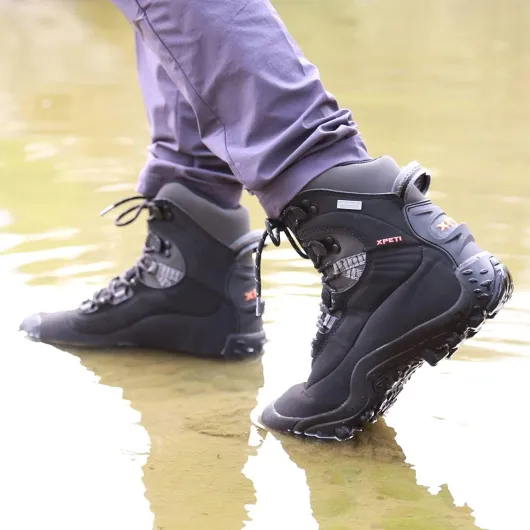
Water management defines whether a hiking boot feels like a trusted partner or a liability. Many of the best hiking boots for backpacking trips use a waterproof membrane such as Gore-Tex or a proprietary GTX laminate to keep water out while allowing sweat vapour to escape. In prolonged rain or snow, a waterproof mid cut boot with sealed seams and a gusseted tongue keeps your feet warmer and drier than most non waterproof hiking shoes.
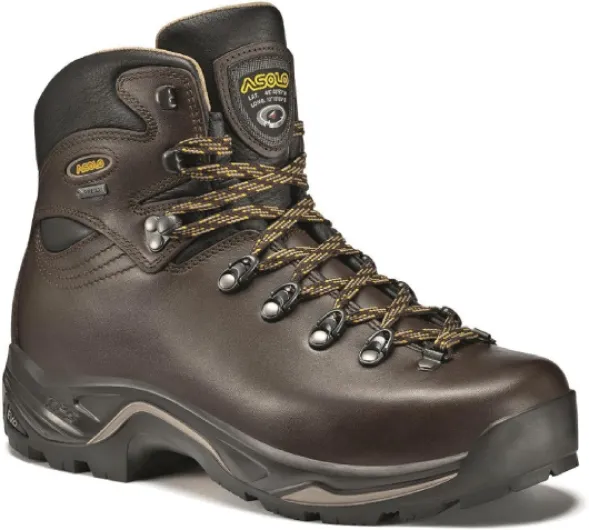
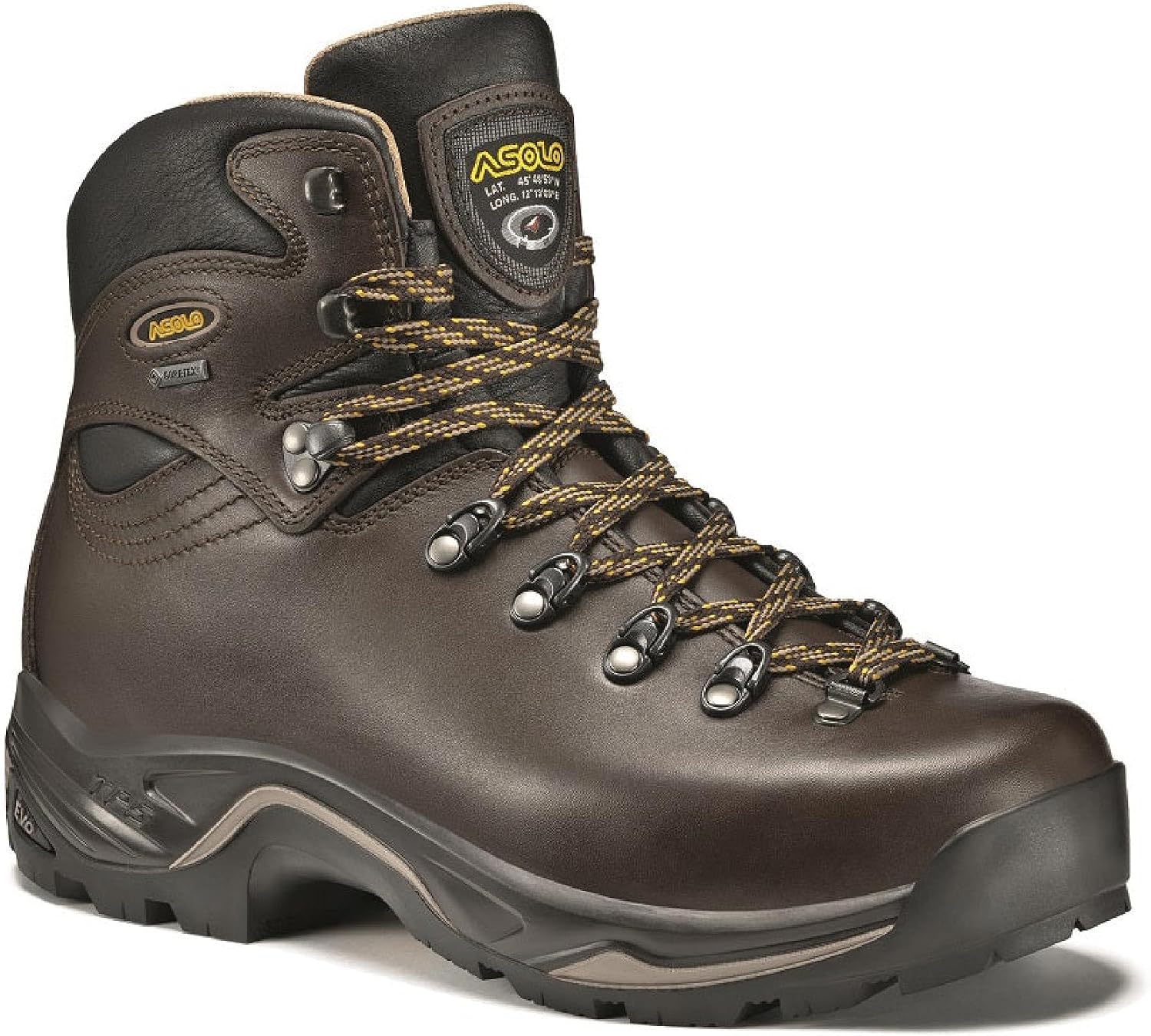
Leather uppers, such as those found on classic Danner mountain boots, offer excellent durability and natural weather resistance. Modern synthetic hiking boots from brands like Merrell and Salomon often reduce weight while maintaining strong support through engineered fabrics and overlays. When reading any detailed boot review, pay attention to how the tester describes flex, ankle hold, and long term comfort under backpacking loads rather than focusing only on marketing labels like GTX or waterproof.
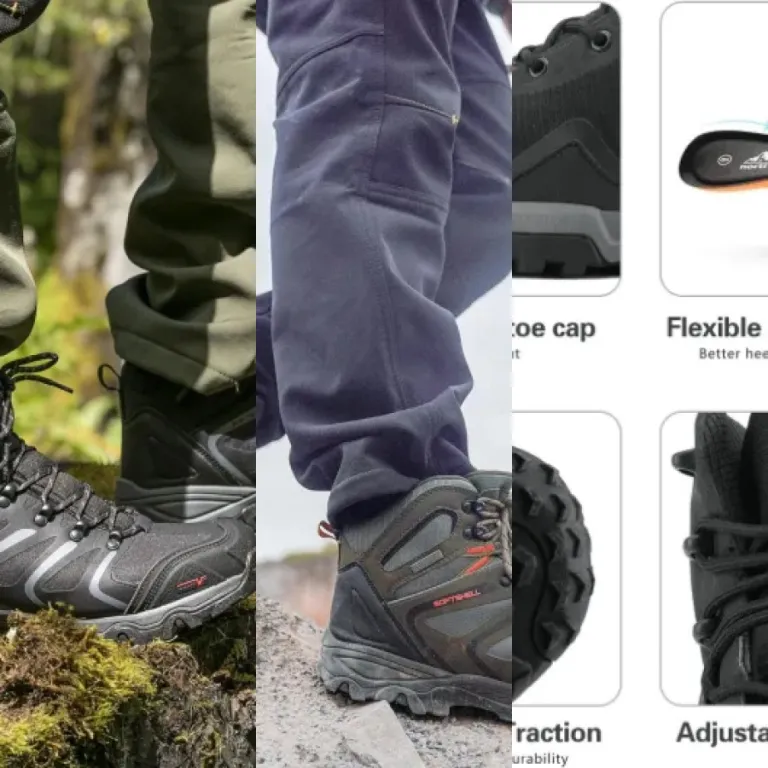
For readers interested in robust leather options, a dedicated pair of men’s waterproof leather walking boots can offer a compelling blend of weather protection and traditional support for demanding backpacking terrain.
| Model |
Approx. weight (pair, UK 9 / US 10) |
Stack height / support |
Key traits |
| Salomon Quest |
~1.3–1.4 kg |
Moderate stack, firm chassis |
High ankle support, aggressive grip, suited to heavy packs |
| Merrell Moab Mid |
~1.1–1.2 kg |
Medium stack, flexible forefoot |
Instant comfort, versatile for mixed day hikes and light backpacking |
| Hoka Kaha / Kaha GTX |
~1.3 kg |
High stack, very cushioned |
Rockered sole, plush ride, ideal for long mileage on trail |
| Sportiva Ultra Raptor Mid |
~1.0–1.1 kg |
Lower stack, protective rockplate |
Trail runner feel with added collar, precise on rocky ground |
Disclosure: Some product mentions may be based on affiliate relationships. This does not influence the opinions expressed or the comparative information provided.
Comparing iconic models for demanding backpacking terrain
Several benchmark models repeatedly appear in serious backpacking boot test reports and long term field reviews. The Salomon Quest series stands out as a supportive mid to high cut hiking boot that excels on rough alpine terrain with heavy packs. Many experienced hikers praise the Salomon Quest for its precise ankle hold, aggressive trail traction, and relatively low weight for such a protective boot.
Another reference model is the Merrell Moab line, especially the Moab Mid versions that blend comfort and versatility. The Merrell Moab Mid hiking boots feel immediately familiar to many hikers, with a cushioned ride that suits long day hikes and shorter hikes backpacking on moderate terrain. While not as stiff as a full mountaineering boot, the Moab Mid offers enough support for most three season backpacking routes below sustained snow and ice.
For those who prefer a more modern design, the Hoka Kaha and its waterproof Kaha GTX variant deliver plush cushioning underfoot. The Hoka Kaha boot uses a rockered sole that encourages a smooth stride, which can reduce calf fatigue on long trail days with repetitive motion. In side by side tests, some reviewers note that the Kaha feels “like a trail running shoe with a higher collar,” which appeals to hikers who value ankle support but dislike harsh midsoles and still want one of the best hiking options for mixed backpacking and day hikes.
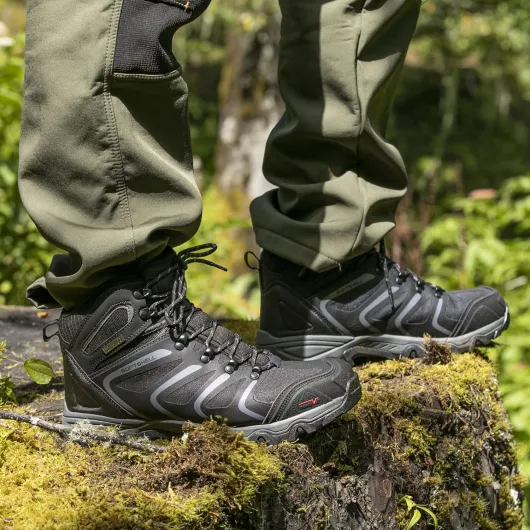
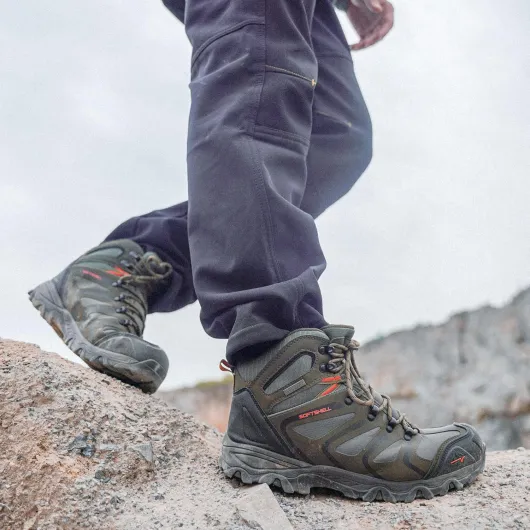
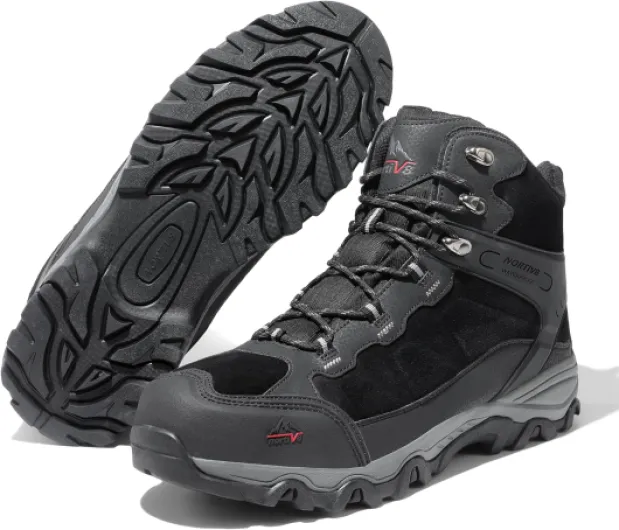
Backpackers seeking a versatile and protective option can also look at this type of men’s waterproof mid hiking boot for backpacking and mountaineering, which mirrors many of the design priorities found in premium models while focusing on robust construction and dependable traction.
Lightweight alternatives for fast backpacking and technical trails
Not every backpacking route demands a heavy traditional boot, especially for experienced hikers with efficient packing habits. When your base weight drops below 10 kilograms, lightweight hiking shoes or hybrid mid boots can feel more agile and less tiring over long distances. Many ultralight backpackers now consider these options among the best hiking solutions for well maintained trail networks.
The Sportiva Ultra Raptor and its Raptor Mid variant illustrate this shift toward lighter yet capable footwear. As a trail running inspired hiking boot, the Ultra Raptor offers aggressive traction, precise fit, and enough underfoot protection for rocky terrain when carrying moderate loads. The Sportiva Ultra Raptor Mid adds ankle coverage without turning into a full weight backpacking boot, which appeals to hikers who want some extra support without sacrificing speed.
Altra’s Lone Peak series, often used as hiking shoes, also plays a major role in the lightweight backpacking world. The Lone Peak boot versions maintain a zero drop platform and wide toe box that allow your feet to splay naturally during long day hikes and multi day pushes. While these lighter boots lack the rigid ankle support of a Salomon Quest or Danner mountain model, many thru hikers still rank them among the best hiking boots for backpacking trips on established long distance trails.
Fit, gender specific design, and long term comfort
Even the most technically advanced hiking boots fail if the fit does not match your feet. A hiking boot should hold the heel securely, allow toe wiggle room, and avoid pressure points along the instep or ankle bones. Many brands now offer specific women hiking designs that account for narrower heels, different arch shapes, and lower overall volume.
When evaluating the best women options in any boot review, pay attention to last shape and available widths. A women hiking boot that feels snug but not tight during a shop test usually performs better once your feet swell slightly during a long day on the trail. Some women still prefer unisex or men’s boots like certain Danner mountain or Merrell Moab models, especially when they need extra forefoot space for wide feet.
Long term comfort also depends on how the boot interacts with your biomechanics and backpacking style. If you favour long, steady day hikes on moderate terrain, a cushioned mid cut boot such as the Hoka Kaha GTX can reduce impact forces on joints. Technical mountaineers who carry heavy loads over broken rock may prefer a stiffer Salomon Quest or Sportiva Ultra Raptor Mid, which offers more precise edging and ankle support when every foot placement matters.
Backpacking systems, pack integration, and real world testing
Choosing the best hiking boots for backpacking trips means thinking beyond the footwear itself. Your boot must integrate with your backpack, clothing, and trekking poles to form a coherent hiking system that matches your objectives. A supportive mid cut boot with strong traction allows you to carry a slightly heavier pack safely, while a lighter boot may require stricter weight discipline.
Real world test conditions reveal strengths and weaknesses that no brief shop trial can show. Plan at least one shakedown day with a fully loaded pack, using the same socks and insoles you intend for longer hikes backpacking in remote terrain. During this test, pay attention to hot spots, ankle stability on side slopes, and how the waterproof or GTX membrane handles stream crossings and wet grass.
Backpackers who expect frequent storms should also consider their pack’s weather protection alongside waterproof hiking boots. A robust rain cover on a large trekking pack, such as those found on some 80 litre waterproof hiking and camping backpacks with integrated rain covers, helps keep spare socks and layers dry, which indirectly improves foot comfort. When your pack, boots, and clothing work together, you maintain warmer feet, better traction, and more consistent performance across long multi day routes.
Key statistics about hiking boots and backpacking performance
- Studies from sports medicine journals report that ankle and foot injuries account for roughly 25 to 40 percent of acute injuries during multi day hiking and backpacking trips, which underlines the importance of choosing a hiking boot with adequate ankle support and reliable traction on varied terrain. For example, a review in the British Journal of Sports Medicine by Van Tiggelen et al. (2008, doi:10.1136/bjsm.2008.048629) reported similar ranges for lower limb injuries in mountain sports.
- Laboratory tests conducted by independent gear review organisations have shown that a difference of 500 grams in boot weight can increase energy expenditure by several percent over a full day of hiking, which explains why many backpackers now balance support and weight carefully when selecting mid cut or lightweight boots. This aligns with classic load carriage research published in the European Journal of Applied Physiology by Jones et al. (1984, doi:10.1007/BF00423229), where added mass on the feet had a disproportionate metabolic cost.
- Field surveys on long distance trails such as the Pacific Crest Trail and the Appalachian Trail consistently indicate that more than half of thru hikers now complete their hikes wearing trail running style hiking shoes rather than traditional boots, although many still switch to sturdier hiking boots for early season snow or particularly rocky sections. Annual hiker surveys compiled by communities like Halfway Anywhere (e.g. Mac, 2022 PCT Gear Survey) and the Appalachian Trail Conservancy echo this footwear trend.
- Waterproof membranes like Gore-Tex and other GTX technologies have been shown in controlled tests to maintain water resistance for many hours of continuous exposure, but real world data from experienced hikers suggest that membrane lined boots often feel warmer and may dry more slowly than non waterproof models once fully soaked. Comparative lab tests by outlets such as OutdoorGearLab and Backpacker magazine have repeatedly highlighted this trade off between protection and breathability.
- Consumer testing by major outdoor retailers regularly finds that models such as the Merrell Moab, Salomon Quest, and various Sportiva Ultra Raptor versions rank among the top performers for overall comfort and durability, which aligns with their strong reputation among guides, mountaineers, and long distance backpackers. Retailer review aggregates and long term wear reports from guiding services often place these boots near the top of satisfaction rankings.