
Summary
Editor's rating
Value: worth it if you actually hike in bad weather
Design: old-school look, functional build
Comfort: supportive, a bit warm, needs a short break‑in
Materials: leather, Gore‑Tex and a lot of foam
Durability: built to last, but needs care
Performance: waterproof and stable, with reliable grip
What you actually get with the Hillmaster II
Pros
- Very good waterproofing thanks to leather + Gore‑Tex combo
- Strong ankle and heel support for rough, uneven terrain
- Durable feeling Vibram sole with solid grip in mud and on wet rock
Cons
- Run quite warm and not ideal for hot-weather hiking
- A bit heavy and stiff for short, easy walks or casual use
- Standard fit may be tight for very wide feet; insole is basic

Specifications
View full product page →| Brand | Berghaus |
Solid old-school boots in a Gore-Tex world
I’ve been using the Berghaus Herren Hillmaster II Gore-tex boots in Coffee Brown (size 9.5 UK) for a few weeks now, mostly for muddy weekend hikes and a couple of long dog walks on wet fields. I bought them because I wanted a classic leather boot again, not another mesh trainer-style shoe that falls apart after one rough season. On paper, these tick a lot of boxes: Gore‑Tex, leather upper, Vibram sole, memory foam collar. I wanted to see if that actually means anything in real life.
First impression out of the box: they look like a straight-up traditional hiking boot. No flashy colours, no weird patterns, just brown leather and a chunky sole. They feel fairly heavy in the hand compared to modern lightweight hikers, but once on the foot it’s not as bad as I expected. If you’re used to trail runners, they’ll feel hefty; if you’re used to old leather boots, they feel pretty normal. I’d place them in the middle: not light, not bricks.
I wore them straight away for a 10 km walk on mixed terrain: tarmac, forest tracks, wet grass, and some rocky steps. No breaking-in on short walks first, just straight into it, to see how forgiving they are. I did feel some stiffness around the ankle and across the top of the foot for the first couple of hours, but I didn’t get any blisters, which is already better than half the leather boots I’ve owned. The memory foam around the collar does hug the ankle more than basic boots.
Overall, my first days with them were pretty positive: they feel like serious boots, they keep water out, and they give a lot of support. They’re not perfect – they run a bit warm and they’re not exactly discreet in weight – but so far they feel like a good choice if you want something sturdy rather than ultra-light. In the rest of the review I’ll go into design, materials, comfort, performance, durability, and whether I think the price makes sense compared to other options.
Value: worth it if you actually hike in bad weather
On the value side, these sit in that mid-to-upper price range for hiking boots, especially for a leather Gore‑Tex model. You’re paying for the brand, the materials (leather + Gore‑Tex + Vibram), and the overall build. If you just need something cheap for walking the dog on dry pavements, then no, these are not a bargain. You can get basic boots for much less. But if you actually go out on proper hikes, in wet and muddy conditions, the extra cost starts to make more sense.
Compared to cheaper synthetic hiking boots I’ve owned, the Hillmaster II gives better support, better waterproofing, and feels like it will last longer. The flip side is the extra weight and warmth. So it’s a trade-off: you’re paying for durability and protection, not for lightness. Against other leather Gore‑Tex boots at a similar price from big brands, these are competitive. They don’t really stand out as crazy cheap or overpriced; they sit right in the middle of the pack in terms of what you get for the money.
The Amazon rating around 4.6/5 with over a hundred reviews lines up with my experience so far. They’re not perfect, but they’re solid. Who gets good value from these? Someone who hikes regularly in rain, mud, and rough terrain, wants proper ankle support, and doesn’t mind a bit of extra weight. Who might feel they overpaid? Someone who only does short, easy walks on good paths, or who mainly hikes in hot, dry climates where a lighter, more breathable shoe would make more sense.
For me personally, considering the weather and terrain where I live, I’d say the value is pretty good. I feel like I paid for a boot that will see me through several autumn/winter seasons without giving up halfway through. If you’re in a similar situation and prefer leather over synthetic, they’re worth considering. Just be honest with yourself about how much you’ll really use them and on what kind of trails.
Design: old-school look, functional build
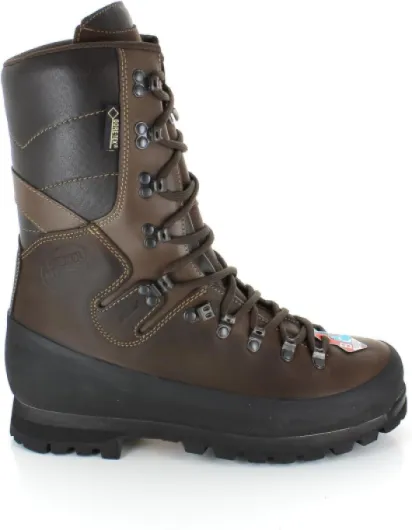
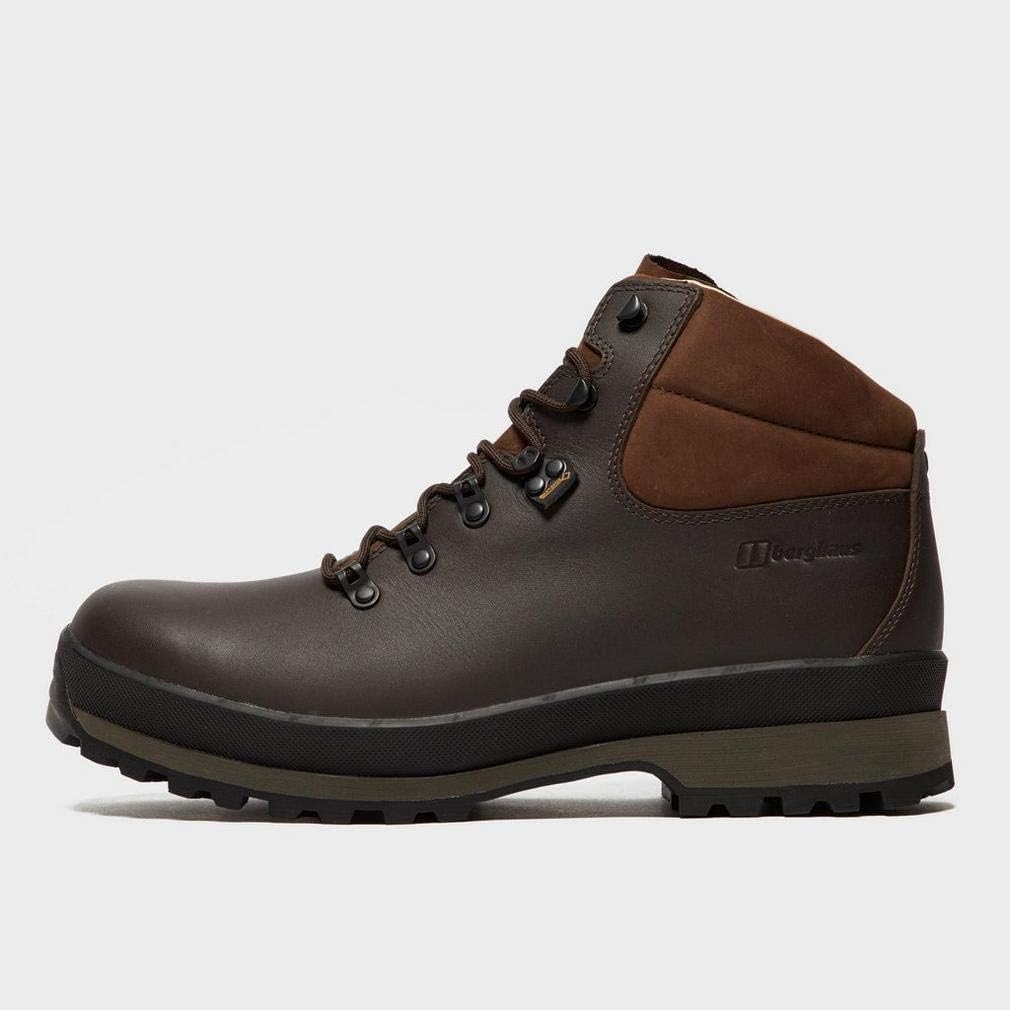
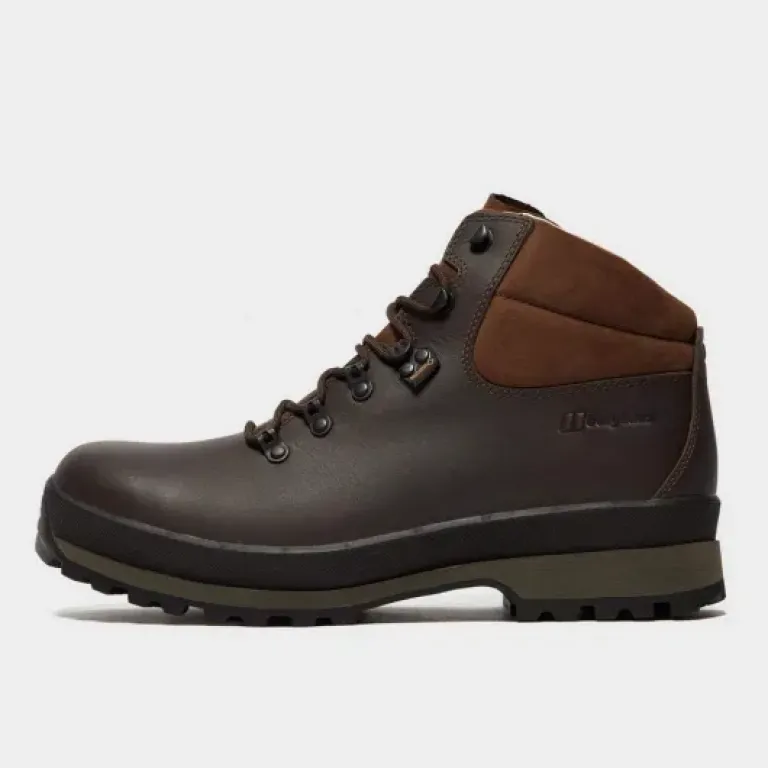
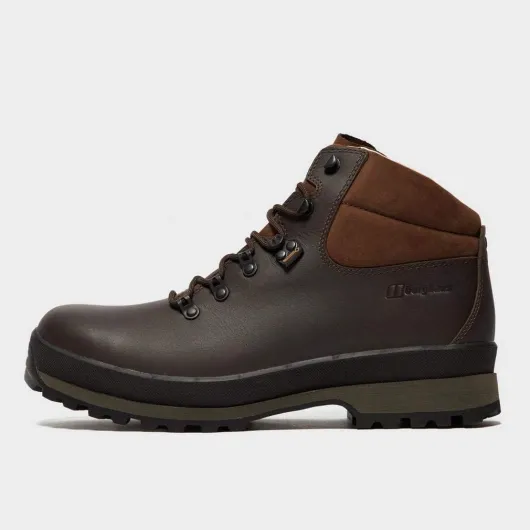
Design-wise, the Hillmaster II keeps things pretty traditional. It’s a mid-top leather boot with a solid, slightly chunky silhouette. The Coffee Brown colour is a standard dark brown that hides mud and scuffs quite well. After a few muddy hikes and some brushing, they still look fine; the leather marks a bit, but in a way that makes them look used rather than wrecked. If you like the old-school hiking boot vibe, you’ll probably be happy. If you want something that looks like a sneaker, these are not it.
The lacing system is straightforward: standard eyelets lower down and hooks at the top. The hooks are easy to use with cold fingers, and I haven’t had any issues with them bending or feeling flimsy. The tongue is gusseted high enough that water splashes and shallow puddles don’t get in easily. The collar shape gives good ankle coverage without digging into the Achilles, at least on my feet. I did notice that the toe box is more on the medium side – not super wide like some wide-fit brands, but not painfully narrow either. If you have very wide feet, you might need to size up or look for a wide version.
One thing I liked is that the boot doesn’t have useless design extras. No fake vents, no pointless overlays, just leather panels where they’re needed. The heel support area is a bit more structured, and you can feel that when you push the heel from side to side – it resists twisting more than cheaper boots I’ve owned. That translates into a more planted feeling on uneven ground, which is kind of the point of a hiking boot.
On the downside, the design leans more towards function than versatility. These are clearly hiking boots, and they look a bit overkill with jeans in town. Also, if you’re into very modern, lightweight designs, they’ll feel a bit old-fashioned. For me, that’s not a deal-breaker; I wanted something that looks like it’s built to work outdoors, and that’s exactly what you see here. Just don’t buy them expecting a sleek city boot you can sneak into a smart-casual outfit.
Comfort: supportive, a bit warm, needs a short break‑in
Comfort was my main concern because leather boots can be hit or miss, especially in the first few outings. With the Hillmaster II, the first 1–2 walks felt a bit stiff but not painful. The memory foam in the tongue and collar does help the boot wrap around the ankle without hard pressure points. After about 20–25 km total, the leather started to flex more naturally, and the boots felt much more forgiving. I never got any blisters, just a slight hot spot on the top of one foot on the very first long walk, which disappeared after I adjusted the lacing.
The PU midsole gives a nice level of cushioning. Coming from lighter trail shoes, these feel much more supportive under the arch and heel. On rocky tracks, my feet felt less beaten up at the end of the day. If you like a soft, bouncy trainer feel, you might find them a bit firm, but for a hiking boot I’d say the balance is good. I did end up adding my own insoles for arch support, but that’s something I almost always do, so I won’t hold it against these boots specifically.
One thing to note: they run on the warmer side. The combination of leather, Gore‑Tex, and memory foam around the ankle means your feet are well wrapped. That’s great in cold, wet weather. On a milder, damp day, my feet were noticeably warm after a couple of hours. Not unbearable, but if you mainly hike in hot conditions, you might want something lighter and more breathable. For UK autumn/winter, they fit the bill nicely.
Fit-wise, in 9.5 UK they were true to size for me lengthwise. Width is medium. If you use thick hiking socks, the fit feels snug but not tight. If you have wide feet, I’d strongly suggest trying them on in a shop first or ordering two sizes. Overall, once broken in, I find them comfortable for 4–5 hour hikes. They support the ankle well, the heel feels locked in, and there’s enough room in the toe box to avoid smashed toes on descents. They’re not as instantly comfy as a running shoe, but for a leather hiking boot, they’re pretty solid.
Materials: leather, Gore‑Tex and a lot of foam
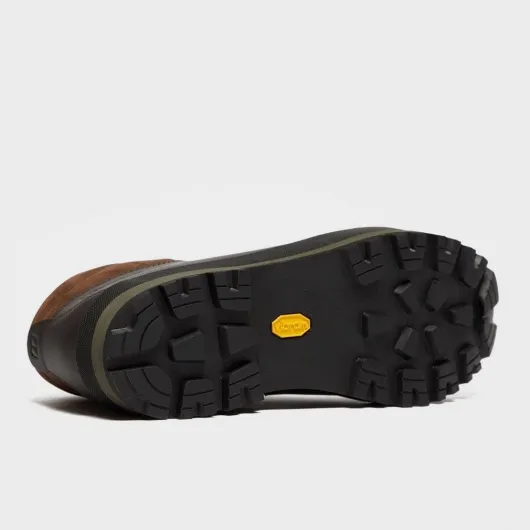
Material-wise, Berghaus has gone with a pretty standard but proven combo: leather outer, Gore‑Tex membrane inside, a PU midsole (from Vibram) for cushioning, an EVA-based sole construction, and a Vibram rubber outsole for grip. The lining is listed as leather with synthetic components. In the hand, the leather feels decent quality: not super stiff mountaineering-boot stiff, but not thin and floppy either. After a few hikes and some flexing, it has started to soften up without feeling weak.
The Gore‑Tex membrane is the usual story: it keeps water out, but it also traps some heat. On a cold, wet day, that’s exactly what you want. On a warmer day, my feet did get a bit sweaty, even though the boot is supposed to be breathable. To be fair, that’s true of most waterproof boots I’ve used. The key thing is that sweat did seem to escape better than with older full-rubber boots I’ve had. My socks were damp after a long walk, but not soaked, which is normal for me.
The Vibram PU midsole and outsole combo does its job. The midsole gives a bit of bounce and takes the sting out of sharp rocks, while the rubber outsole feels sticky enough on wet stone and roots. The lugs are deep enough to bite into soft ground, and they shed mud reasonably well. After several muddy hikes, the rubber doesn’t show much wear yet, which is promising. I’ve had cheaper boots where the edges of the lugs rounded off quickly; here they still look sharp.
If I’m picky, I’d say some internal materials could breathe a bit better. The memory foam in the collar and tongue feels nice, but it does add some warmth. Also, the insole is pretty basic and manmade; I swapped it out for my own insoles after the second week and that improved comfort and moisture handling. Overall, though, the material choices make sense for a hiking boot in this category: sturdy leather, proven waterproofing, and a sole unit from a brand that actually knows how to make outsoles.
Durability: built to last, but needs care
I haven’t owned these for years obviously, but after a few weeks of regular use I can at least judge the build quality and early signs of wear. Out of the box, the stitching looked clean, with no loose threads or glue marks. After several muddy hikes, cleaning, and drying sessions, the seams are still tight and the leather hasn’t started cracking or separating anywhere. That’s a good sign. The sole is firmly attached with no gaps along the edges, which is something I’ve seen fail early on cheaper boots.
The leather does pick up scuffs and creases, but that’s normal. With a bit of cleaning and leather conditioner, it comes back to life pretty well. These are boots that clearly benefit from basic maintenance: let them dry naturally (no radiators), brush off mud, and treat the leather every now and then. If you’re the type who never looks after their boots, they’ll probably still last a while, but you won’t get the best out of the leather. The Gore‑Tex membrane should keep working as long as you don’t completely destroy the outer.
The Vibram outsole shows very little wear so far. The lugs still have sharp edges and there’s no peeling or chunking. Given Vibram’s usual track record, I’d expect the sole to outlast the insole and probably the laces. Speaking of laces, they’re decent, not premium. I can see them fraying before the boot is done, but laces are cheap to replace, so I don’t really mind.
Overall, the boot feels like it’s built for several seasons of regular hiking, not just a single trip. Of course, long-term durability will depend on how often you use them and how heavy you are on gear. But compared to some synthetic boots I’ve owned that started falling apart at the seams after a year, these Hillmasters feel more solid. They’re not indestructible, but for the price bracket, the construction and materials give me confidence that they’ll stick around if you treat them reasonably well.
Performance: waterproof and stable, with reliable grip
In terms of performance, I mainly looked at three things: waterproofing, stability/support, and grip. On all three, the Hillmaster II does a good job. I walked through wet grass, shallow puddles, and steady rain. Water never got inside, even when mud covered most of the lower boot. The Gore‑Tex membrane and the leather upper do what they’re supposed to do. The only time my feet felt damp was from my own sweat on a mild day, not from leaks. So as a waterproof boot for typical rainy hikes, they get the job done.
Stability is another strong point. The heel area has extra structure, and you can feel that when you step on uneven rocks or rutted paths. My ankles felt supported without being locked in like a ski boot. I’m prone to rolling my ankles in softer trail shoes, and with these I felt more confident on rough ground. The flat heel type and mid-top shaft height give a solid platform, and the boot doesn’t twist much if you grab it and try to bend it lengthwise or torsionally. That stiffness helps on rocky terrain, though it does make them feel a bit overbuilt for flat, easy paths.
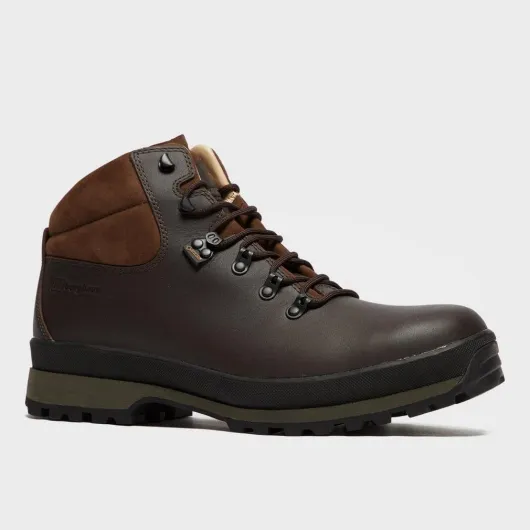
Grip from the Vibram outsole has been good so far. On wet rock and wooden steps, I didn’t feel like I was skating around. Obviously, if you hit algae-covered stone, nothing will save you, but on normal wet surfaces the boots held well. In sticky mud, the lugs bite in and, more importantly, they actually shed the mud after a few steps instead of turning into smooth clogs. That’s a big plus compared to some cheaper soles I’ve used where mud just cakes on and stays.
If I had to criticise the performance side, I’d say they’re overkill for short, easy walks on flat gravel or city parks. You feel the weight and stiffness more when the terrain doesn’t really require that much support. But for proper hikes with mixed terrain, climbs, descents, and bad weather, they feel reliable. They’re boots you put on when you know it’s going to be wet and you want to keep your feet protected, not something you throw on for a quick stroll to the shops.
What you actually get with the Hillmaster II
On paper, the Berghaus Hillmaster II Gore‑Tex is sold as a classic, mid-top leather hiking boot with modern touches. You get a full leather outer, a Gore‑Tex membrane for waterproofing, a PU midsole made by Vibram for shock absorption, and a Vibram rubber outsole for grip. The boot height is around the ankle, so it’s a mid-cut, not a low shoe and not a tall alpine boot. Weight-wise, my pair in 9.5 UK is roughly 1 kg for the pair, which matches the spec. So they’re not ultra-light, but they’re not monsters either.
They’re clearly aimed at people who do regular hiking or trekking rather than casual city wear. The style is tagged as autumn/winter, and that makes sense: thick leather, Gore‑Tex, and a fairly solid sole. I wouldn’t buy these as everyday office boots unless your office is basically a farm. They look more at home in mud and on gravel tracks than on polished floors. The Coffee Brown colour is neutral and pretty standard for hiking boots, and the logo branding is visible but not loud.
Feature-wise, the marketing points are: waterproofing (Gore‑Tex membrane), shock protection (PU midsole), heel support (engineered heel area), and comfort fit (memory foam tongue and collar). The outsole pattern is meant to shed mud and grip on wet rock. In reality, these are the things I paid attention to when testing: do my feet stay dry, do my knees and ankles feel supported after a long walk, and do I feel secure on slippery surfaces.
In short, the presentation matches what you’d expect from a traditional hiking boot with some modern tweaks. Nothing flashy, nothing particularly new, but a combination that should work for long walks in bad weather. The question is whether they justify their price compared to cheaper leather boots or lighter synthetic options. From what I’ve seen so far, they sit in that mid-to-high range where you expect decent build quality and a boot that can handle regular weekend use without falling apart after one season.
Pros
- Very good waterproofing thanks to leather + Gore‑Tex combo
- Strong ankle and heel support for rough, uneven terrain
- Durable feeling Vibram sole with solid grip in mud and on wet rock
Cons
- Run quite warm and not ideal for hot-weather hiking
- A bit heavy and stiff for short, easy walks or casual use
- Standard fit may be tight for very wide feet; insole is basic
Conclusion
Editor's rating
After using the Berghaus Hillmaster II Gore‑Tex boots for a while, my overall impression is that they’re solid, no-nonsense hiking boots aimed at people who actually go out in bad weather. They give good support, stay properly waterproof, and feel well put together. The leather upper and Vibram sole combo feels reliable, and once you’ve broken them in, they’re comfortable for long walks on mixed terrain. They’re not light or airy, but they do protect your feet and ankles, which is what I wanted from them.
They’re not perfect. They run warm, especially in milder weather, and they feel a bit overkill if you only walk on easy paths or around town. The insole is basic and benefits from an upgrade, and people with very wide feet might struggle with the standard fit. Also, you’re paying a decent chunk of money, so if you only hike a couple of times a year, the cost-per-use might not make much sense.
If you’re a regular hiker in a wet climate, like UK-style conditions, and you prefer traditional leather boots over lightweight trainers, then these Hillmasters are a good option. If you want something ultra-light, super breathable, or stylish enough to double as everyday city footwear, you should probably look elsewhere. Overall, I’d rate them as a strong, reliable choice for serious weekend walkers who don’t mind a bit of weight in exchange for durability and support.