
Summary
Editor's rating
Value for money: worth it if you actually hike
Old-school leather look with a few modern touches
Comfort: good once broken in, but not slipper-like
Leather, Gore‑Tex and EVA: what it’s actually built from
Built to last? Early signs are promising
On the trail: grip, support and waterproofing in real use
What you actually get out of the box
Pros
- Strong waterproofing and decent breathability for a leather Gore‑Tex boot
- Good ankle support and stable feel on uneven, muddy or rocky terrain
- Durable leather upper and Vibram sole that show minimal wear after regular use
Cons
- Noticeable weight and stiffness compared to lighter modern hiking shoes
- Needs a break-in period; not instantly comfortable like some fabric boots

Specifications
View full product page →| Brand | Berghaus |
Solid old-school boots in a world of neon trainers
I’ve been using the Berghaus Hillmaster II GTX in Coffee Brown, size 7 UK, for a few weeks now on local trails, a couple of wet hill days, and everyday dog walks. I went for them because I wanted a proper leather boot again, not the light mesh style that falls apart after a year. On paper they sounded like a simple, no-nonsense option: leather, Gore‑Tex, Vibram sole, and not covered in flashy colours.
First thing: these are not featherweight boots. When you pick them up, you can feel there’s some substance. Not bricks, but clearly more boot than a trail shoe. If you’re used to light approach shoes, you’ll notice the difference. On the other hand, that extra bulk does give a bit of confidence when you’re stepping on loose rocks or roots – you don’t feel like your foot is going to twist every two minutes.
I’ve used them mostly in classic British conditions: wet paths, muddy fields, slick rocks, and short bits of tarmac to get to the trail. So far, they’ve had rain, standing water, and ankle‑deep mud. No snow yet, but a couple of frosty mornings. I’ve not taken them on a week-long trek, but I have done a few 15–18 km days in them, enough to get a decent first impression of how they behave over time and not just out of the box.
Overall, my first takeaway is this: they feel like a traditional boot that focuses on basic things – grip, waterproofing, ankle support – rather than fancy features. That’s good if that’s what you want. They’re not perfect and there are a few points that annoyed me, but for typical weekend walking and hill days, they do the job in a straightforward way.
Value for money: worth it if you actually hike
Price-wise, the Hillmaster II GTX sits in that mid-to-upper range for hiking boots. You’re paying for the leather, the Gore‑Tex, and the Vibram sole, plus the Berghaus name. There are definitely cheaper boots out there, especially fabric ones, and also more expensive full-grain leather boots from more “premium” brands. So it’s kind of in the middle: not budget, not top-end luxury.
For value, it depends how you use them. If you only go for a short walk a couple of times a year, this is probably overkill. You’d be tying up money in boots that will sit in the cupboard most of the time. In that case, a cheaper entry-level boot would probably make more sense. But if you’re out most weekends in typical British weather, and you want something that can handle mud, rain, and rocky paths without falling apart in a year, then the price starts to look more reasonable.
Compared to some fabric Gore‑Tex boots I’ve used that started leaking or tearing after one or two seasons, I’d expect these to last longer just because of the leather construction. If they give you, say, three to five seasons of regular use, the cost per year is actually pretty fair. You also get the comfort and support that you don’t always find in cheaper boots, especially around the ankle and midfoot.
So for me, I’d say the Hillmaster II GTX offers good value for someone who actually hikes regularly and wants a traditional-feeling boot. It’s not a bargain, but it’s not overpriced either for what you get: solid materials, decent comfort, and reliable performance in bad weather. If you’re on a tight budget or mainly walk on dry, easy paths, you can save money with a lighter, cheaper option. If you want a dependable leather boot for proper mixed conditions, the price feels justified.
Old-school leather look with a few modern touches
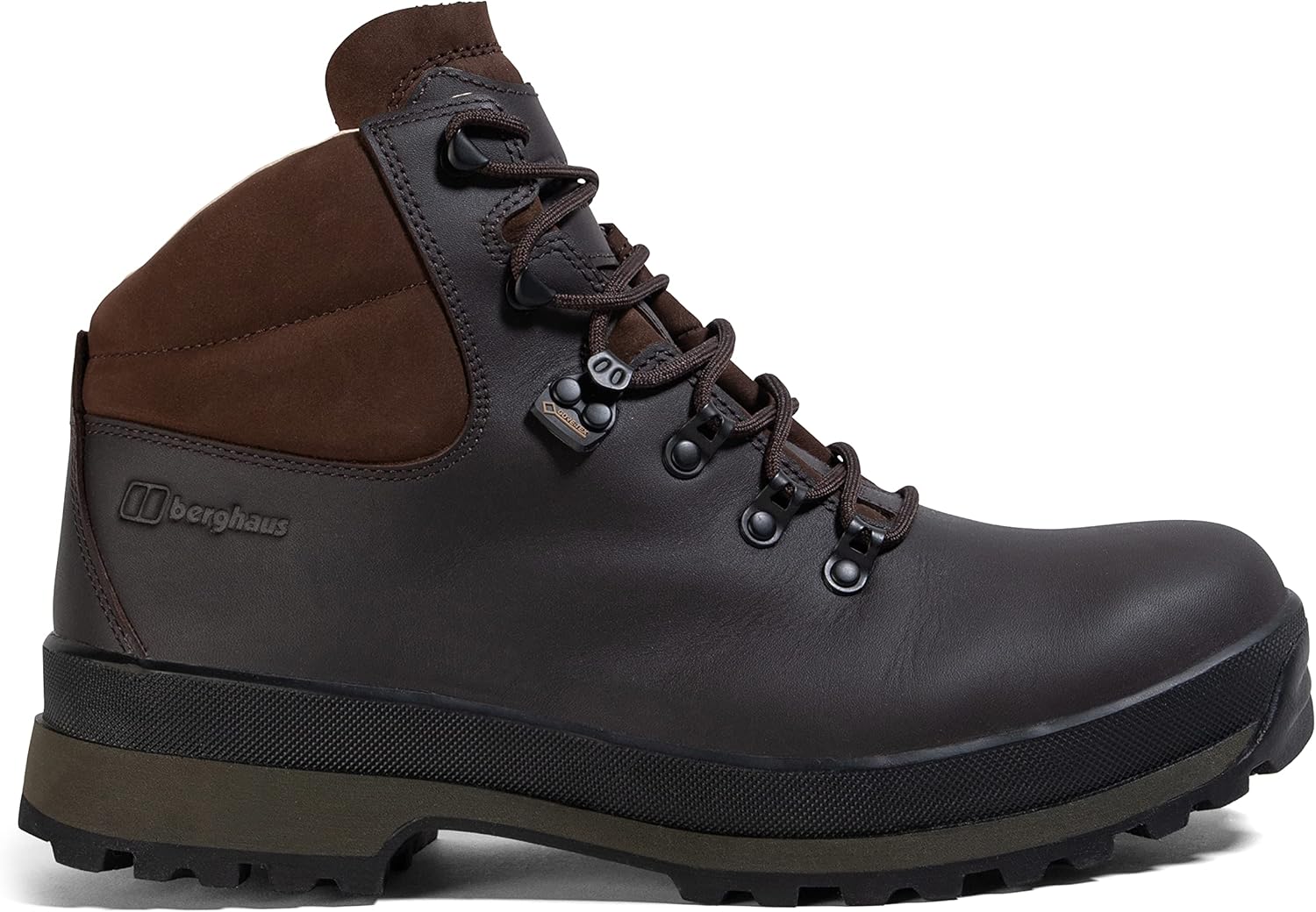
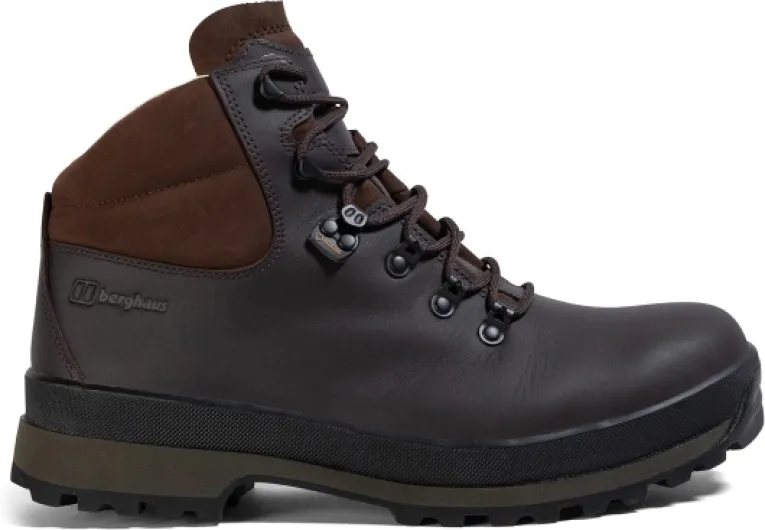
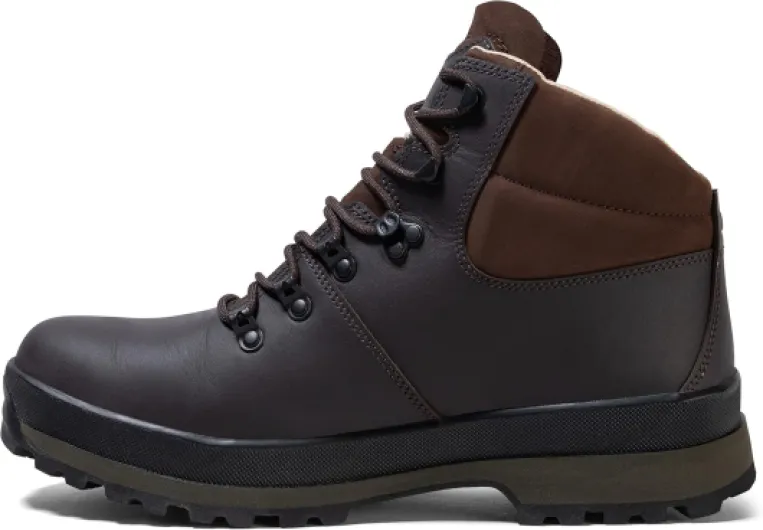
The design is pretty simple: full leather upper, round toe, flat heel, and a fairly traditional hiking boot profile. No nonsense. The coffee brown colour is practical – it hides mud and scuffs better than lighter colours. After a few muddy walks and a quick brush and wipe, they still look quite decent. You definitely see some creasing in the leather over the toe area after a few uses, but that’s normal and actually makes them more comfortable as they break in.
One thing I liked is the lace system. The lower eyelets pull the midfoot in nicely, and the top hooks give enough leverage to get a snug ankle lock. I have fairly narrow feet, and with these I can still get a secure fit without having to yank the laces like crazy. The tongue is thick enough that you don’t get lace pressure points even when you really crank them down, which I did on a couple of steeper descents to see how much my foot would slide forward.
The collar shape is quite high at the back, which gives decent support but might rub some people initially. On my first 10 km walk, I felt a bit of pressure on the Achilles area, but by the third outing it had eased off as the collar softened. I’d still say: don’t take these straight out of the box for a multi-day hike. Give them a few shorter walks to settle around your ankles and flex points.
Overall, the design is practical rather than stylish. They look like boots you’re meant to use, not pose in. If you like bright colours and trail-runner style designs, this will look a bit boring. If you want something that you can wear with jeans to the pub after a walk without looking like you’ve just left an expedition, they fit in fine. Personally, I prefer this low-key look, and the boots feel like they’ll age okay as the leather picks up marks, as long as you bother to clean and treat them now and then.
Comfort: good once broken in, but not slipper-like
Out of the box, the Hillmaster II GTX felt supportive but a bit stiff. The memory foam collar and insole give a cushioned first impression, but the leather and sole unit don’t flex much at first. On my very first 5 km walk, I noticed the boot was holding my foot firmly, especially around the ankle, but the forefoot felt a bit rigid. No blisters, but I did feel that typical “new boot” pressure across the top of the foot and at the front of the ankle when going uphill.
After about three decent outings (roughly 30–35 km total), the boots started to loosen up in a good way. The memory foam around the ankle moulded more to my shape, and the flex point at the ball of the foot became smoother. That’s when they started to feel more natural to walk in. I’d call the fit medium width, maybe slightly on the narrow side. If you have very wide feet, you might struggle, or you’ll need to size up and play with sock thickness. With my normal hiking socks, I had enough room in the toe box to avoid banging toes on descents.
Cushioning is decent but not plush. If you’re used to modern trail shoes with thick, bouncy midsoles, this will feel firmer. After a 17 km mixed-terrain walk (tarmac, gravel, muddy paths), my feet felt used but not wrecked. Ankles felt supported, and I didn’t get any hot spots. The insole is okay, but people with picky feet or arch issues will probably want to swap it for something more supportive. The good news is that the boot feels stable enough that an aftermarket insole should work fine.
One thing to note: because of the higher collar and the firmer leather, these boots are not the kind you forget you’re wearing. You always feel like you’ve got a proper boot on, which some people like and others don’t. For me, for proper hiking and wet, uneven ground, I prefer that more locked-in feeling. For quick errands in town, they’re overkill and a bit warm. So comfort is very good for hiking, as long as you accept the break-in period and the more traditional boot feel.
Leather, Gore‑Tex and EVA: what it’s actually built from
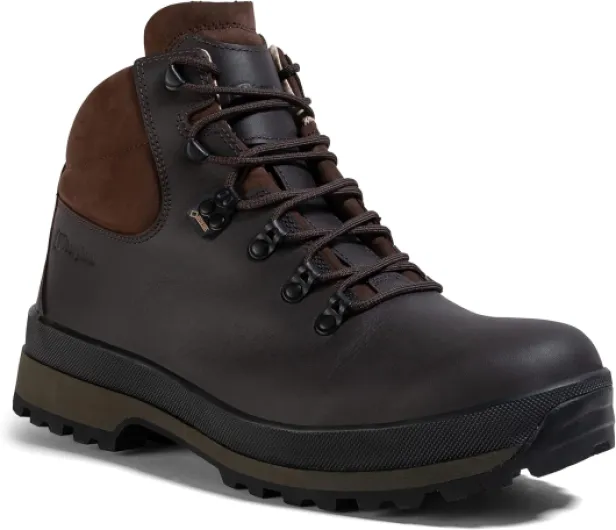
The upper is full leather, which is one of the main reasons I went for these. Compared to fabric boots I’ve had before, leather tends to last longer and gives a bit more natural weather resistance even before you add waterproofing. The leather here feels decent – not super thick like some heavy-duty mountain boots, but not flimsy either. After a few scrapes on rocks and some abuse in wet mud, I don’t see any obvious damage, just normal scuffing that a bit of wax easily hides.
Inside, Berghaus uses a Gore‑Tex performance comfort membrane, so you get the usual promise: waterproof but breathable. In practice, the waterproof part is solid – I’ve stood in shallow streams and walked through soaked fields and my feet stayed dry. Breathability is okay for a leather boot with a membrane, but let’s be real: it’s still a leather Gore‑Tex boot. On warmer days (around 15–18°C, fast walking) my feet did get a bit warm and damp. Not awful, but definitely warmer than in my lighter mesh boots.
The midsole is listed as PU by Vibram in the description, but the spec also mentions EVA. In hand and underfoot, it feels more like a medium-firm EVA/PU combo – there’s some cushioning, but it’s not spongy. You feel enough of the ground to know what you’re stepping on without it being harsh. For long days on hard-packed tracks, my feet felt tired but not beaten up, which is about what I expect from a traditional walking boot.
The outsole is Vibram rubber, and it feels reassuringly grippy. The lugs aren’t super aggressive like a winter mountaineering boot, but they’re deep enough to bite into mud and loose gravel. On wet rock they did a decent job – not magic (nothing is on slimy rock), but I didn’t have any sketchy slips where I felt the sole was to blame. Materials-wise, it’s a sensible mix: durable leather, proven Gore‑Tex, and a trusted rubber sole. Nothing cutting-edge, but that’s not what this boot is aiming for anyway.
Built to last? Early signs are promising
Durability is obviously hard to judge fully after only a few weeks, but there are some early indicators. The leather upper has taken scrapes from rocks, barbed-wire stiles, and general mud abuse without any real damage. You get cosmetic scuffs, but nothing that looks like it’s going to split. A quick clean and a bit of wax brought them back to looking decent. Compared to some synthetic boots I’ve used that started fraying within a season, these feel more robust.
The sole unit shows very little wear so far. The Vibram lugs still look almost new after a mix of tarmac, gravel and muddy paths. Usually, cheaper rubber starts to round off at the heel quite quickly, but here it’s holding up well. The midsole hasn’t compressed noticeably yet, and the boot still feels as supportive as day one. There’s no separation between the sole and upper, and the stitching all around the boot is still intact with no loose threads.
Inside, the lining and memory foam collar are holding their shape. No peeling, no weird creases digging into the ankle. The insole hasn’t flattened much yet either, though I expect it will compress more over time. The hooks and eyelets for the laces feel sturdy; I’ve yanked the laces tight many times and none of the hardware has bent or loosened.
Realistically, with basic care (rinsing off mud, drying them away from direct heat, and occasionally treating the leather), I can see these lasting several seasons of regular weekend use. If you’re out several times a week in rough terrain, you’ll obviously wear them faster, but structurally they feel like they can take it. They’re not bombproof mountaineering boots, but for hiking boots in this price range, durability looks pretty good so far.
On the trail: grip, support and waterproofing in real use
On the trail, the Hillmaster II GTX behaves like a solid, predictable hiking boot. The grip from the Vibram sole is pretty reliable. On wet grass and mud, the lugs dig in well enough that I didn’t feel like I was skating around. In deeper, sloppy mud, they still clog up eventually (like most boots), but a few stomps on a rock clears them reasonably well. On rocky paths and loose gravel, they feel stable, with enough edge bite to trust them on side slopes.
In terms of support, the combination of the ankle height, firm upper, and midsole gives good stability. On uneven paths, my ankles felt protected, and I didn’t have any near-rolls even when I stepped badly on hidden rocks in long grass. This is where you notice the difference compared to low trail shoes. They’re also decent for carrying a bit of weight – I did one day with a heavier pack (around 10–11 kg) and my feet and ankles still felt controlled, not wobbly.
Waterproofing has been solid so far. I’ve walked through wet fields with standing water, crossed shallow streams up to just below the laces, and spent hours in drizzle and light rain. My socks stayed dry every time. The leather obviously helps, but the Gore‑Tex membrane seems to be doing its job. Breathability is okay for what it is; my feet do get warm on faster walks, but I haven’t had that swampy, totally soaked-from-sweat feeling I’ve had with some cheaper membranes.
Where they’re less strong is in speed and agility. If you like to power-hike or almost jog down the trail, these will feel a bit clunky compared to lighter boots. They’re better suited to steady, all-day walking than to fast and light missions. For British autumn/winter walking, wet national park paths, and general mixed terrain, they perform well. For hot summer hikes or very technical scrambling, I’d probably pick something lighter and more flexible, but as an all-rounder for typical UK conditions, they’re pretty solid.
What you actually get out of the box
Out of the box, the Hillmaster II GTX looks like a straightforward leather hiking boot. The colour is a dark coffee brown, pretty neutral, so it doesn’t scream “technical gear” when you wear it in town. The branding is fairly discreet, with a small Berghaus logo on the side. No flashy panels or weird patterns, which I liked. If you prefer the classic British hillwalker look, this fits right in.
The boot is ankle height (they call it mid-top, but it feels like a standard hiking boot height). The lacing goes up with a mix of eyelets and hooks at the top, so you can tighten the ankle area separately. The tongue is gusseted and reasonably padded, and the collar has this memory foam that’s supposed to shape to your ankle. At first it feels a bit stiff but it does soften up after a few walks.
On the inside, you get a memory foam insole that’s removable. It’s not especially fancy, but it’s more comfortable than the cheap cardboard insoles some boots come with. I still think anyone doing longer hikes will probably swap it for their own insoles or orthotics, but for casual use it’s fine. The lining is leather with the Gore‑Tex membrane underneath, so it doesn’t feel plasticky against the sock, which I appreciated on longer days.
In terms of weight, my pair in size 7 feels around that 1 kg mark for the pair, which matches the spec. Not ultralight, not super heavy. For someone doing day hikes, dog walks, and the odd weekend in the Lakes or Snowdonia, it’s a reasonable compromise. If you’re looking for a fast-and-light boot for trail running style hikes, this is not it. If you want something that looks and feels like a “proper boot” from the old school, this is much closer to that.
Pros
- Strong waterproofing and decent breathability for a leather Gore‑Tex boot
- Good ankle support and stable feel on uneven, muddy or rocky terrain
- Durable leather upper and Vibram sole that show minimal wear after regular use
Cons
- Noticeable weight and stiffness compared to lighter modern hiking shoes
- Needs a break-in period; not instantly comfortable like some fabric boots
Conclusion
Editor's rating
Overall, the Berghaus Hillmaster II GTX is a solid, no-drama hiking boot for people who want traditional leather, proper ankle support, and reliable waterproofing. It’s not trying to be ultra-modern or super light; it’s more about doing the basics well: grip, stability, and keeping your feet dry in wet, muddy conditions. After several outings in classic British weather, it’s done that job consistently, with decent comfort once broken in.
It’s best suited for walkers who are out regularly in autumn and winter, or anyone who prefers a sturdy boot over a flimsy trainer-style shoe. If you carry a pack, walk on uneven ground, or spend a lot of time in the hills, you’ll probably appreciate the support and durability. On the flip side, if you mostly do short, flat walks, or you like lightweight, flexible footwear, this will feel a bit heavy and overbuilt. Breathability is also only average, so in hot weather it’s not ideal.
If you’re okay with a short break-in period and the more traditional boot feel, the Hillmaster II GTX is a pretty solid choice that should last a few seasons with basic care. Not perfect, not flashy, but reliable. People who want a tough, waterproof leather boot for regular hiking will likely be happy. Those who want ultra-light, trainer-like comfort from day one should look at lighter fabric boots or trail shoes instead.