
Summary
Editor's rating
Value: good for technical users, overkill for casual hikers
Design: technical look, climbing DNA all over
Comfort: tight, supportive, and needs a proper break-in
Materials: leather, Gore-Tex and a serious rubber wall
Durability: built tough, but that one outsole review is a red flag
Performance: great on rock, decent on trails, not a mud specialist
What kind of boot is the TX4 Evo Mid, really?
Pros
- Very secure, precise fit that works well on rocky and technical terrain
- Tough suede leather upper with protective rubber rand that handles scrapes and bumps
- Good grip and edging on rock, plus reliable Gore-Tex waterproofing
Cons
- Tight, narrow fit with noticeable break-in period; not ideal for wide feet
- Feels firm and a bit tiring on long, flat, non-technical walks
- At least one user reports the outsole wearing quickly, so heavy use on hard surfaces may shorten lifespan

Specifications
View full product page →| Brand | La Sportiva |
Serious boots for people who actually use mountains
I’ve been using the La Sportiva TX4 Evo Mid Gore-Tex for a few weeks on mixed terrain: rocky trails, wet forest paths, a couple of muddy days and one long 9-hour hike with a full pack. These are not casual walking shoes; they feel like boots designed by climbers for people who like technical ground more than flat fire roads. If you just want something soft and cushy for dog walks, they’re probably overkill.
Out of the box, the first thing I noticed was the stiffness and the tight fit. Compared to more relaxed hiking boots like Salomon X Ultra or Merrell Moab, these feel much more precise and snug. The Japanese review saying they feel tight is spot on. I had the same "oh crap, did I buy them too small?" moment the first time I tried to get my foot in. You really have to loosen the laces properly and use some force the first few times.
Once on foot and laced from the toe upwards, they feel like a halfway point between a climbing approach shoe and a classic hiking boot. The mid cut gives decent ankle coverage, but the overall feel is more technical than comfy sneaker. On steep and rocky trails, that’s a big plus; on long boring flat tracks, they can feel a bit overbuilt and a bit firm underfoot.
Overall, my first impression was: very focused boot, clearly made for people who actually hit rocky paths, via ferrata, scrambles, and wet mountain terrain. If that’s your use case, they make sense. If you want a relaxed all-round walking boot, there are easier and cheaper options that will feel nicer out of the box.
Value: good for technical users, overkill for casual hikers
Price-wise, the TX4 Evo Mid GTX usually sits in the mid-to-high range for hiking boots. You’re paying a premium compared to entry-level brands, but you’re also getting a more technical design and better materials than basic supermarket hiking shoes. The question is whether you will actually benefit from those features. If your outings are mostly easy, flat walks, you’re basically paying extra for precision and rock performance you won’t really use.
Compared to similar boots from Scarpa or other La Sportiva models, the value is decent. It’s in the same ballpark as Scarpa approach-style boots or La Sportiva TX5, but the TX4 Evo Mid leans a bit more towards rock and technical use. If you often do scrambles, rocky ridges, or via ferrata, the money feels well spent because the boot gives you real advantages: better edging, more protection, more precise fit. In that context, the cost per year of use is reasonable, assuming the outsole doesn’t melt away too quickly.
If you compare it to softer, more cushioned hiking boots like Salomon X Ultra or Merrell Moab, those will often be cheaper, more comfortable out of the box, and nicer for general walking. In that comparison, the TX4 Evo Mid is only good value if you truly need the extra support and rock performance. Otherwise, you’re paying more for a stiffer, less comfortable boot on easy ground, which doesn’t make much sense.
So for value, I’d summarise it like this: good value for regular mountain users who like rocky, technical terrain; mediocre value if you’re a casual walker who mostly sticks to easy paths. There’s better comfort-per-euro elsewhere if your hikes are mostly lowland and non-technical.
Design: technical look, climbing DNA all over
Design-wise, these boots look like a beefed-up approach shoe rather than a classic hiking boot. The "Carbon Bamboo" colour is fairly low-key: dark grey/black base with some yellow-ish accents. It’s not flashy, but it does have that typical La Sportiva technical vibe. If you’re used to more conservative leather trekking boots, these will look a bit more sporty and angular.
The most noticeable design features are the extended lacing system and the rubber rand. The laces start close to the toes, which lets you pull the forefoot tight for precise foot placement on rock. I found this really handy on scrambling sections where you want your toes to feel locked in. On the flip side, that means more lace to manage, and you really need to take time tightening from the front to the top. Rushing it usually gave me small pressure points until I stopped and re-laced properly.
The protective rubber around the toe and sides is thick and covers a good portion of the lower boot. In practice, this is one of the best parts of the design. I kicked rocks, scraped them on sharp edges, and dragged my feet on rough limestone, and the upper barely showed damage. You can feel when you hit something, but it doesn’t punish your toes like softer boots do. For via ferrata or rocky ridges, that extra protection is reassuring.
One small negative: the overall shape is quite narrow, especially in the midfoot. I don’t have super wide feet, but they’re not narrow either, and I definitely felt the boot hugging my foot more tightly than something like a Scarpa Zodiac or a Salomon hiking boot. If your feet are wide, I’d be careful and, ideally, try them on in store. The design is clearly biased towards precision and control rather than relaxed volume.
Comfort: tight, supportive, and needs a proper break-in
Comfort is where opinions will split. If you like snug, locked-in boots, you’ll probably be happy. If you like wide, soft slippers, you’ll hate the first few hikes. When I first put them on, I honestly thought I’d made a sizing mistake. Like the Japanese reviewer, I had to really loosen all the laces and push my foot in with some force. The heel loop helps, but it’s still a bit of a wrestling match the first times. After a few uses, it gets easier, but they never become “slip on quickly” boots.
Once laced properly, the fit is very secure. My heel didn’t lift at all on steep climbs, and my toes didn’t slam into the front on descents. That’s a big plus if you do long downhills with a pack. On a 9-hour hike with a lot of elevation change, I had zero blisters and no toe banging, which is not always the case with softer boots. The mid cut gives enough ankle support without feeling like a ski boot, but it’s definitely firmer than a low approach shoe.
The downside is that the forefoot and midfoot feel narrow, and the upper doesn’t give much at first. I needed 3–4 proper outings before they started to feel more forgiving. During the first two hikes, I had some pressure on the outside of my foot and around the laces until I found the right tension pattern. If you’re impatient or you expect comfort straight out of the box, you might be disappointed. These feel closer to climbing footwear in that you have to dial in the fit.
Underfoot, the medium cushioning is fine for rocky terrain because the platform is supportive and doesn’t fold on sharp edges. On hardpacked forest roads or tarmac, you do feel the firmness more, and after several hours it can feel a bit tiring compared to something like a softer trail shoe. For me, the comfort is very good for technical hikes and scrambles, but just okay for long, flat, non-technical walks. So it really depends on how you use them.
Materials: leather, Gore-Tex and a serious rubber wall
The upper is mainly suede leather, which gives the boot a solid, structured feel. It’s not that floppy synthetic mesh you see on lighter hiking shoes. When you flex it by hand, it pushes back; on the foot, it holds your foot in place instead of folding around it. For technical use, that’s good: it keeps the boot stable when you edge on rocks or twist on uneven steps. For casual walking, it just feels a bit stiff and overbuilt.
Inside, you’ve got a Gore-Tex membrane and mesh lining. In terms of breathability, I’d rate it as average for a full leather Gore-Tex boot. On cool days and normal-paced hikes, my feet stayed dry and comfortable. On a long, warm day with a heavy pack, my socks were damp by the end, but not soaked. That’s pretty normal for waterproof leather boots. If you’re coming from non-waterproof trail runners, you’ll definitely feel the difference in heat build-up.
The midsole is EVA, which is standard, and the insole is polyurethane. Cushioning is medium: not super squishy, not rock-hard. Combined with the stiffer platform, you get more support than bounce. If you’re used to very soft trail shoes, this will feel firm at first. I found it okay even on longer days, but you do feel more of the ground texture than in ultra-cushioned boots. On rocky trails that’s a plus; on long, flat forest tracks it can feel a bit tiring after many hours.
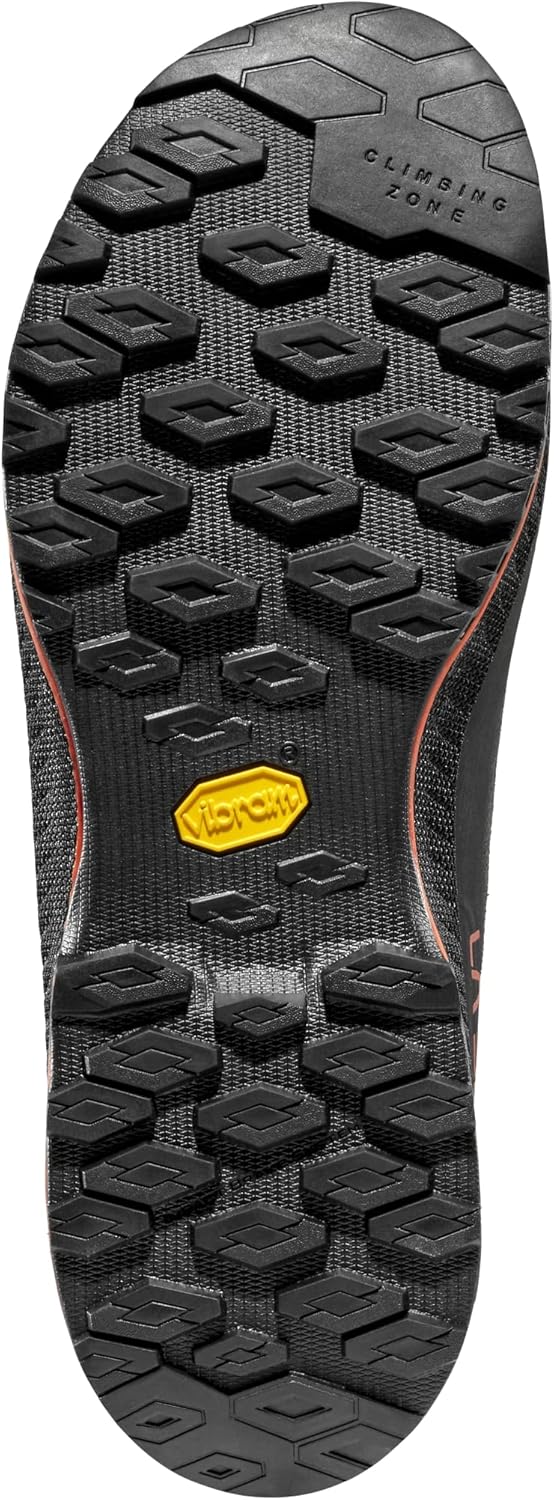
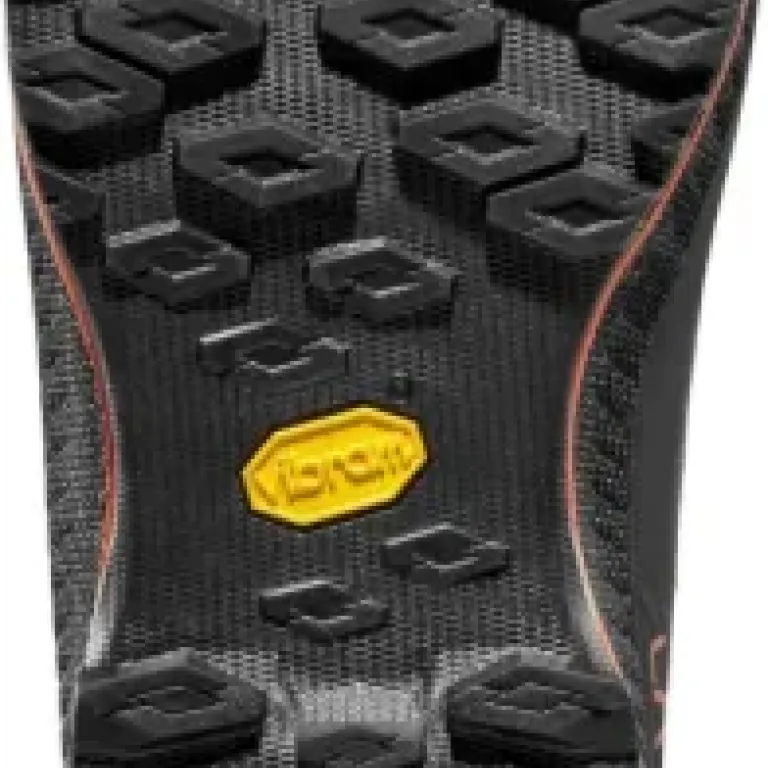
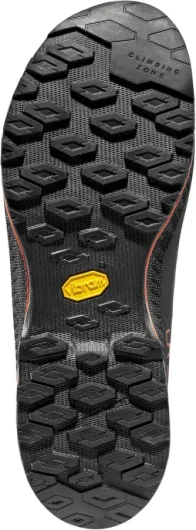
The outsole and rubber rand are where the materials really shine. The sole compound grips well on dry rock and decently on wet rock. On wet mud, they’re okay but not magical; the lugs aren’t huge mud-clearing spikes, they’re more of an all-round pattern. The rubber rand takes a beating and protects the leather, which is good because suede can scuff easily without it. Overall, the material choice clearly prioritises durability and technical performance over lightness and plush comfort.
Durability: built tough, but that one outsole review is a red flag
Build quality looks and feels solid. The suede leather is thick, the stitching is clean, and the rubber rand is generous. After several outings on abrasive rock and rough trails, the uppers on my pair show only light cosmetic scuffs. No seams coming loose, no peeling rand, nothing worrying so far. They give the impression of a boot that can handle a lot of abuse, especially around rocks and via ferrata gear.
The outsole is where I’m a bit more cautious. My own pair still looks fine after a few weeks, but there’s that Amazon review saying “the soles wear out very quickly”. That can mean a few things: maybe that user does a ton of road walking on rough tarmac, maybe it was a bad batch, or maybe the rubber is on the softer side for better grip. Grip and durability often trade off against each other. From what I’ve seen so far, the lugs are wearing at a normal rate, but I haven’t done hundreds of kilometres yet.
The midsole hasn’t packed out noticeably yet, and the boot still feels just as supportive as day one. Leather tends to age better than synthetic mesh, as long as you treat it decently (clean off mud, let it dry naturally, maybe add some leather care once in a while). I wouldn’t be surprised if the upper outlasts the sole by a good margin, which is pretty common for this type of boot.
So, durability verdict: upper and construction feel very robust, but I’d keep an eye on the outsole if you plan to use them heavily on hard, abrasive surfaces like pavement or sharp volcanic rock. If most of your hiking is on trails and rock with some dirt and grass, they should hold up well. If you’re a guide or you do huge mileage every month, expect to resole or replace them sooner than a super hard-compound trekking boot, but that’s the trade-off for better grip.
Performance: great on rock, decent on trails, not a mud specialist
On technical ground, these boots perform really well. The climbing-style toe and precise fit make a clear difference when you’re stepping on small edges or scrambling up rocky sections. I felt confident placing my feet on narrow holds, and the boot didn’t twist or fold in weird ways. The rubber grips nicely on dry rock, and the stiff-ish platform gives you that “step and trust it” feeling that you want on steeper ground. For via ferrata or ridge walks, this is exactly what you want.
On more classic hiking terrain—forest paths, gravel roads, a bit of mud—they’re solid but not mind-blowing. The traction pattern handles most things fine, but in deep mud they don’t clear as well as a more aggressive hiking sole. I had a couple of slippery moments in thick, greasy mud where the lugs just filled up and turned into a smoother surface. Not dangerous, but you do need to be a bit more careful than with a dedicated mud boot. On wet rock, grip was decent; not perfect, but better than many cheap hiking boots I’ve tried.
Waterproofing has been reliable so far. I walked through wet grass, shallow streams, and several hours of steady rain and didn’t get any water inside. The Gore-Tex lining and leather upper do their job. Of course, if water gets in from the top, it’ll stay in like any waterproof boot, but that’s expected. Breathability is okay for what it is. On cooler days, no issues. On a warm day with a fast pace, my feet got warm and a bit sweaty, but nothing out of the ordinary for leather Gore-Tex.
One area where performance is a bit mixed is long-distance comfort on easier ground. The stiffness that helps on rocks is less fun on endless flat fire roads. After 20+ km on mostly smooth terrain, I wished for something a bit softer and more forgiving. So in performance terms: excellent for technical, rocky, mixed mountain days; average for long, flat treks where comfort and cushioning matter more than precision.
What kind of boot is the TX4 Evo Mid, really?
The TX4 Evo Mid GTX sits in that “approach boot” category: more supportive than an approach shoe, lighter and more agile than a full alpine boot. La Sportiva markets it for mountaineering approaches, hiking, and a bit of scrambling, and that description lines up with how it feels in use. It’s clearly aimed at people who spend time around rocks more than mud-only forest tracks.
On paper, you get a suede leather upper, Gore-Tex waterproof lining, EVA midsole, rubber outsole with a climbing-style toe, and a protective rubber rand around the front and sides. Weight-wise, at around 1.1 kg for the pair (size around 9 UK), it’s not ultralight but not a tank either. On the foot, they feel lighter than they look, but still more solid than a trail runner.
The lacing goes way down towards the toes, similar to climbing shoes, which lets you fine-tune the fit at the forefoot. That’s handy if you’re edging on rock, but it also means putting them on and taking them off is a bit of a ritual: fully loosen, slide in, then tighten from the toes up. If you like quick on/off boots, you’ll find this annoying at first. I got used to it after a few hikes, but it’s not a slip-on-and-go kind of boot.
In terms of target user, I’d say this: if your hikes regularly include rocky steps, slabs, scree, light scrambling, or via ferrata, the TX4 Evo Mid fits the bill. If your typical outing is flat gravel paths and wet grass, you’ll be paying for features you won’t really use, and you’ll notice the extra stiffness more than the benefits.
Pros
- Very secure, precise fit that works well on rocky and technical terrain
- Tough suede leather upper with protective rubber rand that handles scrapes and bumps
- Good grip and edging on rock, plus reliable Gore-Tex waterproofing
Cons
- Tight, narrow fit with noticeable break-in period; not ideal for wide feet
- Feels firm and a bit tiring on long, flat, non-technical walks
- At least one user reports the outsole wearing quickly, so heavy use on hard surfaces may shorten lifespan
Conclusion
Editor's rating
The La Sportiva TX4 Evo Mid Gore-Tex is a solid choice if you actually spend time on rocky, technical terrain and want a boot that feels precise and secure rather than soft and plush. The snug fit, extended lacing, stiff-ish platform and big rubber rand all make sense on scrambles, via ferrata and rough mountain trails. Waterproofing works, grip on rock is good, and the leather upper feels tough and protective. Once broken in, they offer a very locked-in, confidence-boosting feel on uneven ground.
They’re not perfect though. The fit is on the narrow and tight side, the break-in takes a few proper outings, and the stiffness can feel tiring on long, easy walks. There’s also that user review about the outsole wearing quickly, which is worth keeping in mind if you plan to hammer them on tarmac or very abrasive surfaces. For casual hikers who mostly do flat, non-technical trails, there are cheaper and more comfortable options that make more sense.
In short: if your idea of a good day out includes rocks, ridges and some scrambling, the TX4 Evo Mid GTX is a pretty solid tool. If your hikes are mainly gentle paths and weekend strolls, you’ll probably be happier (and spend less) with a softer, more forgiving boot.