
Summary
Editor's rating
Value: good for tight budgets, but know what you’re trading off
Design: basic look, functional details, nothing fancy
Comfort: decent after break-in, but not a cloud on your feet
Materials: synthetic and light, but you feel the budget choices
Durability: this is where the low price shows
Performance on the trail: grip and waterproofing are the good parts
What you actually get with these Mountain Warehouse boots
Pros
- Waterproofing holds up well in normal wet conditions (rain, wet grass, shallow puddles)
- Good grip thanks to deep lugs, especially on mud and soft ground
- Comfortable after a short break-in period, with decent ankle support
Cons
- Durability concerns around lace hooks and upper material at flex points
- Stock insole and cushioning are basic for long-distance or all-day use
- Synthetic materials can feel warm and less breathable in hotter weather

Specifications
View full product page →| Brand | Mountain Warehouse |
Cheap hiking boots I actually took on muddy trails
I’ve been wearing the Mountain Warehouse Adventurer men’s waterproof boots (size 9 UK, brown) for a few weeks now. I’ve used them for dog walks, a couple of 10–12 km hikes in wet fields and forest tracks, and as everyday shoes on rainy days. So this isn’t a lab test; it’s just what happened when I treated them like normal boots and didn’t baby them. Short version: they’re decent for the price, but you clearly feel that they’re budget boots.
The first thing I noticed was the weight and bulk. They’re not super heavy, but you do feel them on your feet compared to lighter hiking shoes or trainers. Out of the box, they were a bit stiff and needed a couple of days to break in, which lines up with a few Amazon reviews. After that, they became reasonably comfortable, but I still wouldn’t call them “all-day comfort” if you’re doing 20+ km hikes regularly.
Waterproofing is where I was the most curious. They’re advertised as waterproof with IsoDry, and I specifically walked through wet grass, shallow puddles, and some muddy sections. My feet stayed dry on those outings, which is good. But given the synthetic materials and the mixed user reviews, I wouldn’t fully trust them for multi-day hikes in heavy rain. For casual use or weekend walks, they’re fine.
Overall, my first impression is that these boots are good value for money if you’re realistic: they’re more “affordable walking boots” than serious mountain gear. The grip is pretty solid, comfort is acceptable after breaking in, but build quality feels a bit hit-and-miss. If you’re rough with your gear or wear them as daily shoes, I’d be ready for faster wear, especially around the lace area and flex points.
Value: good for tight budgets, but know what you’re trading off
For the price bracket these sit in, I’d say the value is pretty solid, as long as you’re not expecting premium build quality. You get fully waterproof boots with decent grip, ankle support, and acceptable comfort once broken in. For someone who wants a pair of boots for weekend walks, dog outings in the rain, or the occasional hike, they make sense. Spending double or triple on a high-end brand doesn’t always make sense if you only hike a few times a year.
Where the value becomes more questionable is if you plan to use them as everyday shoes or for heavy hiking. The reports of lace hooks snapping and material splitting after a few weeks are a bit worrying. If you end up replacing them after a short time, the cheap initial price doesn’t look so good anymore. In that case, spending more upfront on a sturdier pair might actually be cheaper in the long run.
Compared to similarly priced no-name boots or supermarket brands, these at least come from a known outdoor brand and have a decent amount of user feedback. The 3.8/5 rating reflects the reality quite well: some people are very happy (especially about comfort and grip), others are annoyed by durability issues. I’m somewhere in the middle – I like them for what they are, but I wouldn’t rely on them for serious trekking.
If I had to sum it up: for light to moderate use, they’re good value for money. If you’re going to live in these boots, or you’re planning a long hiking trip, I’d treat them as a backup or entry-level option and consider saving up for something more robust. They’re not terrible at all; they’re just clearly built to hit a price point, and you can feel that in the materials and long-term confidence.
Design: basic look, functional details, nothing fancy
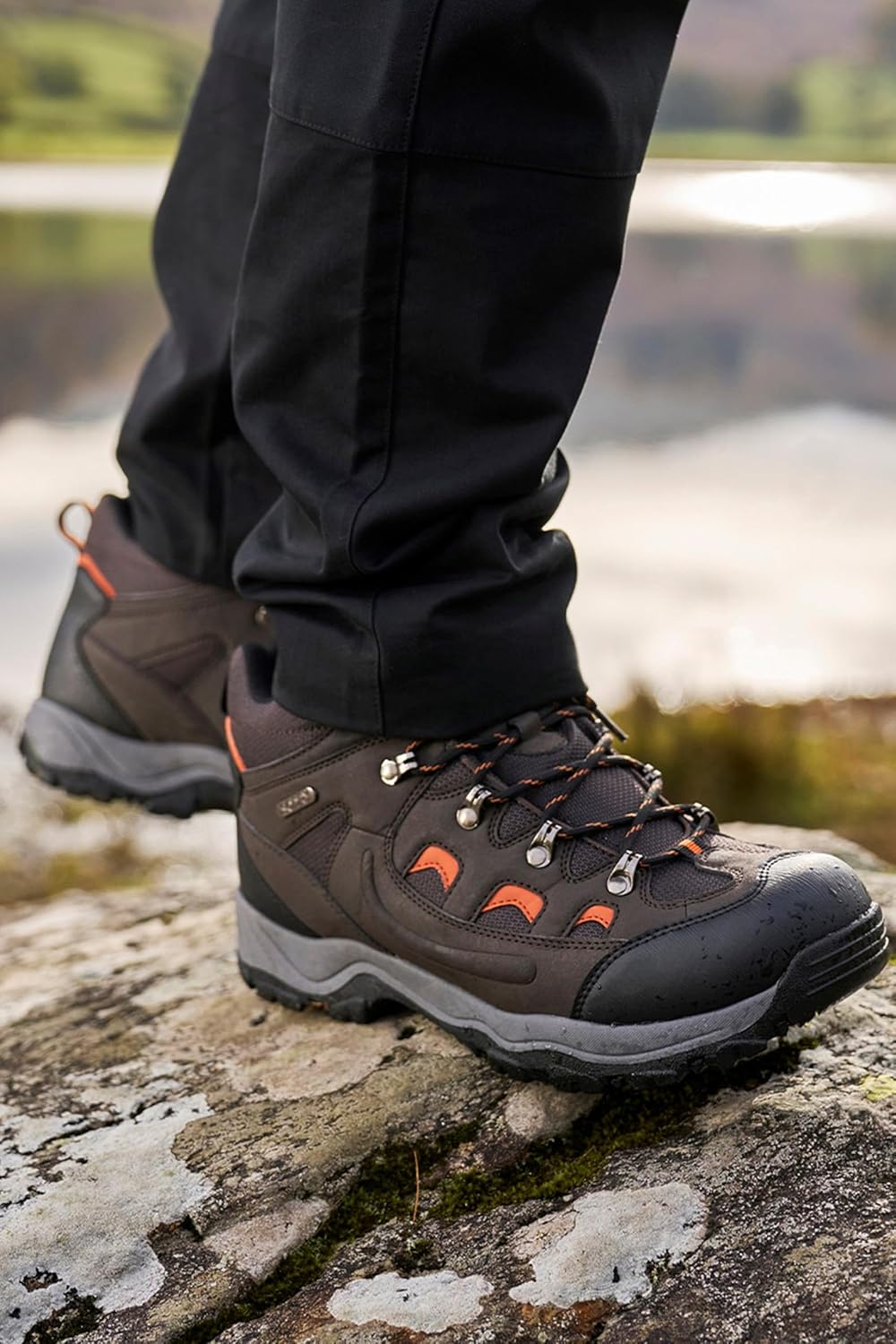
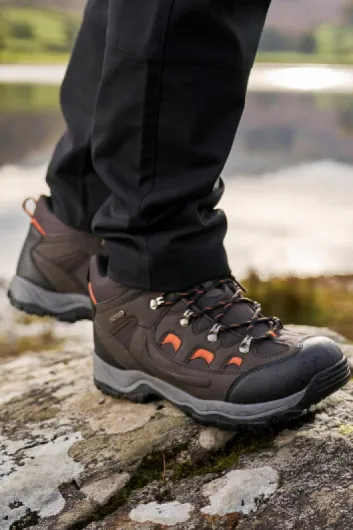
Design-wise, these boots are pretty straightforward. Brown synthetic upper, black sole, a few panels and stitching to break it up visually, but that’s about it. If you want something flashy or stylish, this isn’t it. These are boots you throw on for a walk in the woods, not to impress anyone. Personally, I like that they’re low-key; they don’t scream “hiking nerd” when you’re just walking around town on a rainy day.
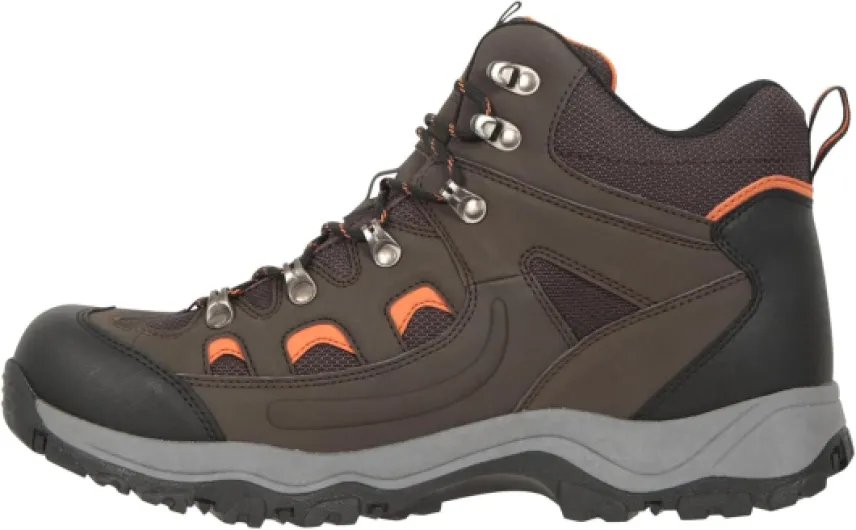
One thing I did pay attention to is the lace system. You’ve got standard eyelets down low and metal hooks further up for quick lacing and better ankle support. That’s good in theory, but this is also where some users have had issues: a few reviews mention the lace hooks snapping off after a few weeks. On my pair, they’re still intact, but you can feel they’re not the strongest hardware out there. If you’re rough pulling the laces tight, I can see how they might bend or break over time.
The heel and toe bumpers are a nice touch. They’re rubber reinforcements that help with scuffs and bumps, especially if you’re clumsy like me and keep kicking rocks or tree roots. After a couple of muddy hikes and a lot of pavement walking, those areas only showed light marks, nothing serious. The deep lugs on the sole also look and feel quite aggressive, which gives you confidence when you step in mud or on wet grass.
In terms of overall shape, they’re a fairly standard-width boot. Not super wide, not super narrow. If you have very wide feet, you might find them a bit snug, especially with thick hiking socks. They also have that typical chunky look of budget hiking boots – not pretty, but they look like they can handle dirt, which is kind of the point. So for design, I’d say: functional and plain, no real style points, but you’re not paying for that anyway.
Comfort: decent after break-in, but not a cloud on your feet
Out of the box, the comfort was average. The boots felt a bit stiff around the ankle and across the top of the foot. After two days of wearing them for shorter walks (30–45 minutes), they loosened up and started to feel a lot better. This matches what several reviewers say: they need some breaking in, but once that’s done, they’re pretty comfortable for everyday walking and moderate hikes.
The ankle support is actually one of the better points. If you lace them up properly, especially using the top hooks, they hold your ankle nicely without cutting into your skin. I didn’t get any blisters on the heel or ankle, which is always my main worry with new boots. I did get a bit of pressure on the top of the foot on the first long walk, but that went away once the upper softened. If you have a high instep, I’d be careful not to over-tighten the laces at first.
The cushioning underfoot is fine for medium distances. On 10–12 km hikes, my feet felt slightly tired but not in pain. On days where I wore them all day on hard pavement, I definitely noticed the difference compared to better-insulated, more cushioned boots. Again, popping in a quality insole makes a big difference here. One reviewer uses them as everyday shoes and says they wear faster, which doesn’t surprise me – they’re comfortable enough to do that, but they’re not built like a daily work boot.
Fit-wise, they seem to run pretty true to size, maybe slightly on the snug side. One person with a 7.5 went for a 7 and was happy; I stuck with my usual size and just use mid-weight hiking socks. If you want to wear thick winter socks, I’d consider going half a size up if that’s an option. Overall, comfort is good for the price, but you have to be realistic. These are not high-end ergonomic boots. They’re fine for weekend hikes, dog walks, and a few hours on the trail, but if you’re doing long-distance trekking, you’ll probably want something better.
Materials: synthetic and light, but you feel the budget choices
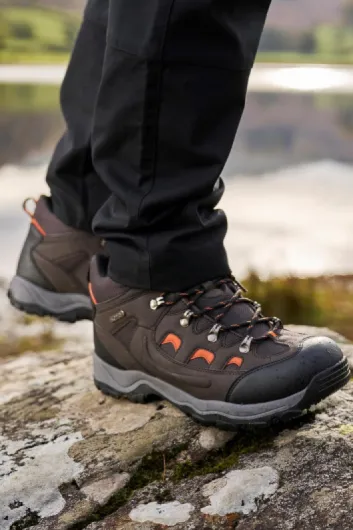
The upper is 100% synthetic/textile, which has pros and cons. On the plus side, synthetic boots dry faster than leather and usually weigh less. These don’t feel heavy on the foot, especially once you get moving. The mesh lining on the inside gives a bit of breathability, which helps with sweaty feet, though it’s still a waterproof boot, so don’t expect the same airflow as a running shoe.
Inside, you’ve got EVA cushioning in the midsole and a foam/EVA insole. The stock insole is okay but nothing special. I swapped it for a better insole after a few outings, and that made a noticeable difference for arch support and long-walk comfort. One Amazon reviewer mentioned chronic foot pain improving with these plus good insoles – I can see why. The boot itself is a decent platform, but the factory insole is pretty basic.
The outsole is TPR rubber, which is basically a lightweight synthetic rubber. It gives good grip and flexibility, but it’s not the toughest material on earth. For light to moderate use, it holds up fine. If you wear them every day on concrete and rough surfaces, you’ll see the lugs wearing down faster than on a premium Vibram sole. On my pair, after a few weeks, the wear was visible but not alarming – just what you’d expect from budget boots used regularly.
Where the material choice really shows the price is around the flex points and lace channel. A couple of reviewers mention the material splitting or tearing where the boot bends, and where the upper meets the tongue area. Looking closely, the synthetic overlay there is a bit thin and doesn’t seem heavily reinforced. Mine haven’t torn yet, but I can see why it’s a weak spot. So, the materials are good enough for casual hikers, but if you’re hard on your boots or want something to last several years of heavy use, you’ll probably outgrow these fairly quickly.
Durability: this is where the low price shows
Durability is the biggest question mark with these boots. Some people say they last well, others report issues after just a few weeks. One Amazon reviewer even said their second pair started falling apart in under a month: lace clips snapping and upper material splitting. Another mentioned the material tearing where the shoe bends near the laces. That’s not just nitpicking; those are real weak points if you’re planning to use them hard and often.
On my pair, after a few weeks of mixed use (trails, pavements, mud), they still look structurally fine. The sole shows light wear on the lugs, which is normal. The stitching hasn’t come loose anywhere yet, and the waterproofing still works. But you can tell the upper material around the flex points isn’t the toughest. When you bend the boot by hand, you can see creases forming that look like they could crack over time if you really hammer them every day.
The lace hooks are another concern. They work and make lacing fast, but they don’t feel bombproof. I’ve been careful not to yank the laces too aggressively, because you can feel a bit of flex in the hooks. If you’re used to military boots or heavy-duty work boots, these will definitely feel lighter and less sturdy in comparison. For weekend hikers, that might be fine; for someone using them daily on rough terrain, I’d be cautious.
Realistically, I’d classify the durability as acceptable for the price, but not great. If you use them a couple of times a week for walks and light hikes, they’ll probably last you a decent while. If you use them as everyday shoes, like one reviewer does, expect them to wear faster, especially around the lace channel and flex points. These aren’t lifetime boots; they’re budget boots you might replace every year or two depending on how hard you are on them.
Performance on the trail: grip and waterproofing are the good parts
On actual muddy paths and wet grass, these boots did surprisingly well. The deep lugs dig into soft ground nicely. I walked through some pretty messy fields after rain, and I didn’t feel like I was skating around. One reviewer also mentioned not slipping in muddy fields, and that matches my experience. On wet pavement and smooth stones, the grip is still okay, not perfect, but good enough that I didn’t feel nervous.
Waterproofing held up during my tests: wet grass up to the ankle, shallow puddles, and a bit of standing water. My socks stayed dry every time. For this kind of price, that’s honestly the main win. Of course, I haven’t done a full day in constant heavy rain, but for normal UK-style drizzle and wet ground, they get the job done. The mesh lining helps a bit with moisture build-up inside, but they’re still boots – if you sweat a lot, your socks will get damp from the inside rather than leaks.
In terms of stability, the ankle height and stiffish sole give you decent support on uneven ground. They’re not super flexible like trail runners, but that’s normal for hiking boots. Going downhill on loose gravel and mud felt controlled, and the toe bumper gives you confidence when you accidentally kick rocks or roots. The plain toe design is practical: no weird seams or decorations that catch mud.
Where performance drops off a bit is on very long days or very rough terrain. The cushioning and midsole support are fine for half-day hikes, but if you push into full-day, high-mileage walking, you start noticing the cheaper construction. Also, the waterproof membrane plus synthetic upper means they can get warm in summer. So I’d say performance is solid for casual hikers and dog walkers, but not aimed at hardcore mountain use or thru-hiking.
What you actually get with these Mountain Warehouse boots
On paper, the Mountain Warehouse Adventurer boots tick a lot of boxes: waterproof, ankle-high, synthetic upper, mesh lining, EVA cushioning, and a TPR rubber outsole with deep lugs. They sit somewhere between a casual walking boot and a proper hiking boot. They’re listed as men’s trekking and hiking footwear, and they’re pretty high up in the Amazon rankings in that category, which usually means lots of people buy them because of the price and decent reviews (3.8/5 at the time of writing).
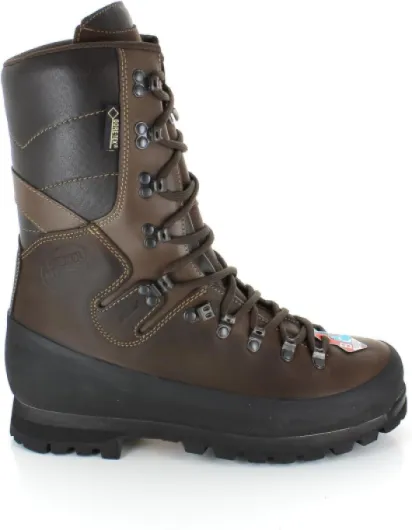
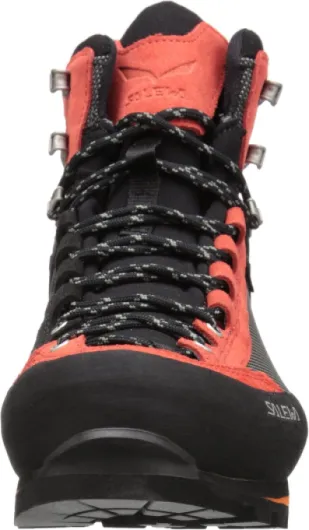
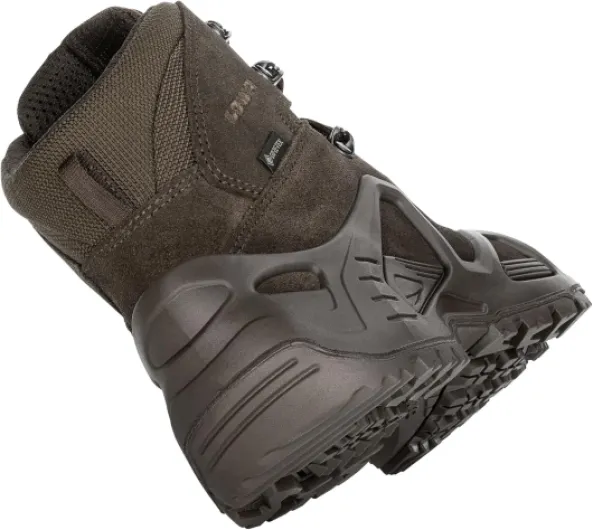
When you pull them out of the box, they look like standard brown hiking boots. No fancy design, no flashy branding. Just a solid brown boot with a few synthetic overlays and rubber bumpers on the heel and toe. The ankle height is mid-ish – they say mid-calf, but on my leg they sit just above the ankle, which is what you expect from a typical hiking boot. They feel structured enough to give some support, but not like a rigid mountaineering boot.
The brand sells them as all-season, waterproof walking boots with a synthetic/textile upper, foam/EVA insole and synthetic outsole. So realistically, they’re meant for:
- Weekend hikes on trails, fields, and forest paths
- Dog walking and general wet-weather use
- Occasional hill walks, but not technical mountain routes
From a positioning point of view, I’d put them in the “entry-level hiking boots” category. If you’re used to premium brands like Salomon, Scarpa, or Meindl, you’ll immediately feel the difference in materials and finish. But if you’re upgrading from cheap supermarket boots or old trainers, these will feel like a big step up in grip and weather protection, without wrecking your budget.
Pros
- Waterproofing holds up well in normal wet conditions (rain, wet grass, shallow puddles)
- Good grip thanks to deep lugs, especially on mud and soft ground
- Comfortable after a short break-in period, with decent ankle support
Cons
- Durability concerns around lace hooks and upper material at flex points
- Stock insole and cushioning are basic for long-distance or all-day use
- Synthetic materials can feel warm and less breathable in hotter weather
Conclusion
Editor's rating
After using the Mountain Warehouse Adventurer waterproof boots in real conditions – mud, wet grass, and everyday rain – my overall take is that they’re decent budget hiking boots with clear strengths and weaknesses. They do the basics right: your feet stay dry in normal wet weather, the grip on muddy ground is reassuring, and once broken in, they’re comfortable enough for typical weekend walks and short hikes. For the price, that’s already not bad.
The trade-offs are mostly around durability and long-term comfort. The synthetic upper and TPR sole keep the weight and cost down, but they don’t feel built for years of abuse. Reports of lace hooks snapping and upper material splitting are believable when you look closely at the weak spots. If you’re a heavy user or plan to wear them every day, I’d be ready for faster wear and potentially needing a replacement sooner than with more expensive boots.
So who are these for? They’re a good fit if you’re on a tight budget, new to hiking, or just need waterproof boots for dog walking, casual trails, and general bad-weather use. They’re not ideal if you’re doing long-distance trekking, multi-day trips in rough terrain, or if you’re rough on your gear and want something to last several seasons. In short: good value for casual use, but not a workhorse for serious hikers.