
Summary
Editor's rating
Value: strong if you accept they’re semi-disposable
Design: practical, a bit chunky, and clearly built to a budget
Comfort: where these boots actually shine
Materials: decent leather, budget sole, and a membrane that needs help
Durability: fine for the money, but the soles are the weak spot
Performance: waterproof enough, grip depends on where you walk
What you actually get for the price
Pros
- Very comfortable straight out of the box, with a slightly wide fit and good ankle padding
- Decent waterproofing for everyday use, especially if you reproof the leather occasionally
- Good value when bought around the £40–£50 mark for daily walking and light hiking
Cons
- Sole and toe bumper durability are weak points, with some reports of early delamination
- Grip is only average on wet pavements and poor on ice compared to softer, grippier rubbers

Specifications
View full product page →| Brand | HI-TEC |
Cheap boots I actually wore to death
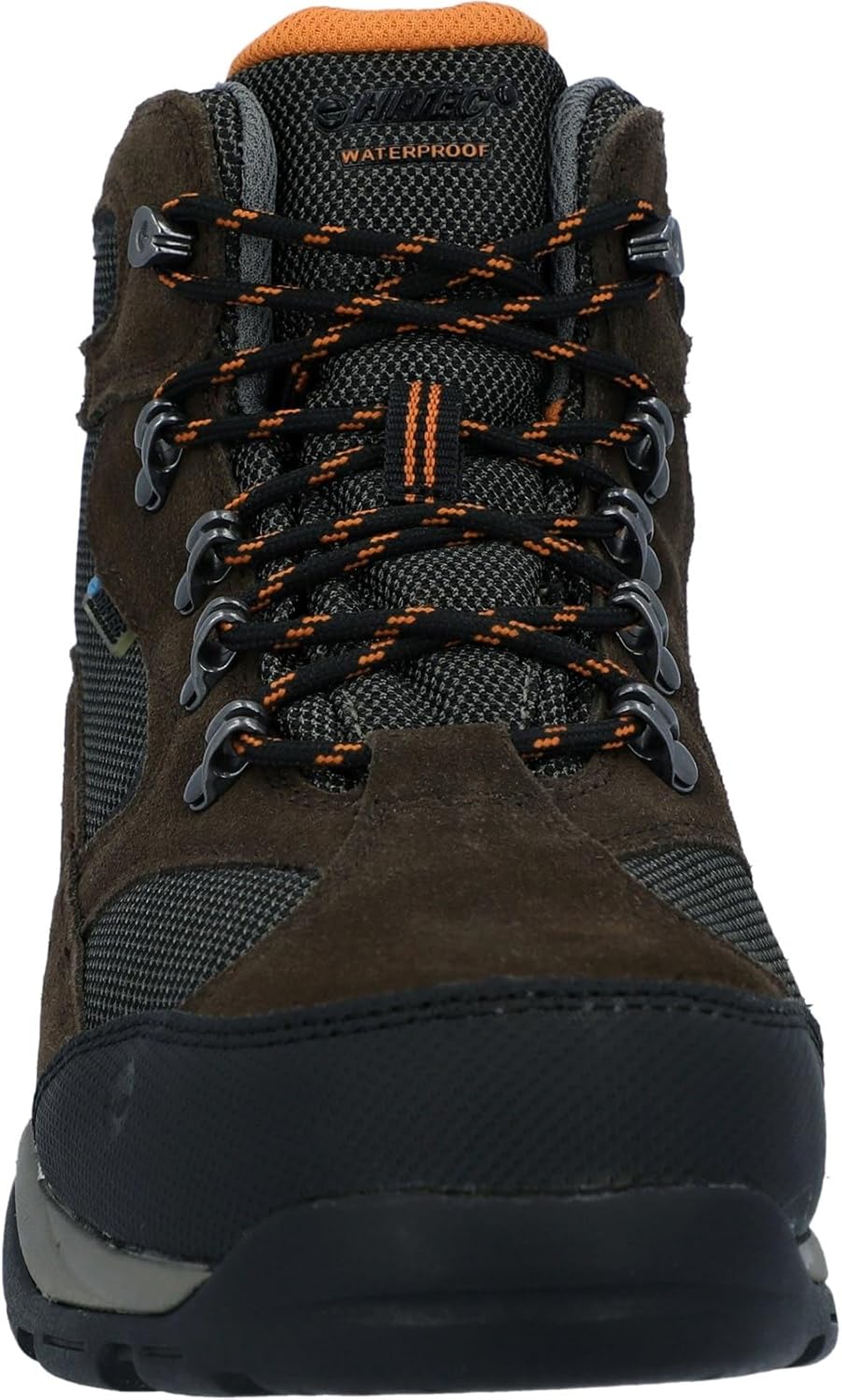
I’ve been wearing the HI-TEC Tec Storm Waterproof boots pretty much as they’re shown here: brown leather, ankle height, nothing flashy. I grabbed them mainly because they were cheap, listed as waterproof, and I needed something for daily dog walks and weekend trails without burning £150+ on premium brands. I’ve used Hi-Tec in the past, so I was curious if these would hold up or fall apart after a couple of months.
In practice, I’ve used them the way a lot of people actually will: daily walks on pavement and park paths, some muddy fields, a couple of wet camping weekends, and the odd rocky trail. So not hardcore mountaineering, but definitely more than just walking to the shop. I’m around the 8–10 km per day mark when I’m consistent, so they’ve had a fair bit of mileage rather than occasional Sunday use.
The short version: they’re comfortable out of the box, the waterproofing is decent if you treat them properly, and the grip is okay on trails but not great on wet urban surfaces. The weak point, like several reviewers mention, is long-term durability around the sole and toe bumper. If you expect them to behave like £180 leather boots, you’ll be disappointed. If you see them as budget workhorses that might last 1–2 years of regular use, they make more sense.
So this review is from that angle: “cheap daily boots that get the job done, with some clear limits”. I’ll go through how they feel, how they wear, and where they cut corners to hit the price. No poetry, just what it’s like to live in them.
Value: strong if you accept they’re semi-disposable
For me, the value question is pretty straightforward: how much use do you actually get out of them compared to what you paid? I picked mine up for just under £50, and I’ve put a lot of kilometres on them. Comfort has been consistently good, waterproofing has been acceptable with occasional Nikwax, and they’ve handled daily dog walks plus weekend hikes without falling apart immediately. At that price, I’m okay with the idea that they might only last 1–2 years before the sole gives up.
Compared to premium brands (Merrell, Salomon, La Sportiva, etc.) that start around £120–£150, you’re obviously not getting the same build quality or long-term durability. But you’re also paying a third of the price or less. A few reviewers even said they’ve owned those premium brands and still like these for the price. I’d agree: if you mainly walk on paths and fields and don’t need technical mountain boots, dropping £150 doesn’t always make sense. These fill that budget everyday boot slot nicely.
Where the value drops is if you’re unlucky and get a pair with early sole separation. If they start failing in under a year with only light use, that’s poor value, no way around it. In that case I’d absolutely contact the seller or Hi-Tec, because the majority of people seem to be getting more life than that. It’s not a guaranteed tank; it’s a cheap workhorse with some quality variation.
So, value-wise: if you can grab them under £50, you want something comfortable and waterproof for dog walks, commuting, and casual hikes, and you accept they’re not lifetime boots, they’re good value for money. If you want one pair to trust on serious mountains for years, spend more and look elsewhere.
Design: practical, a bit chunky, and clearly built to a budget
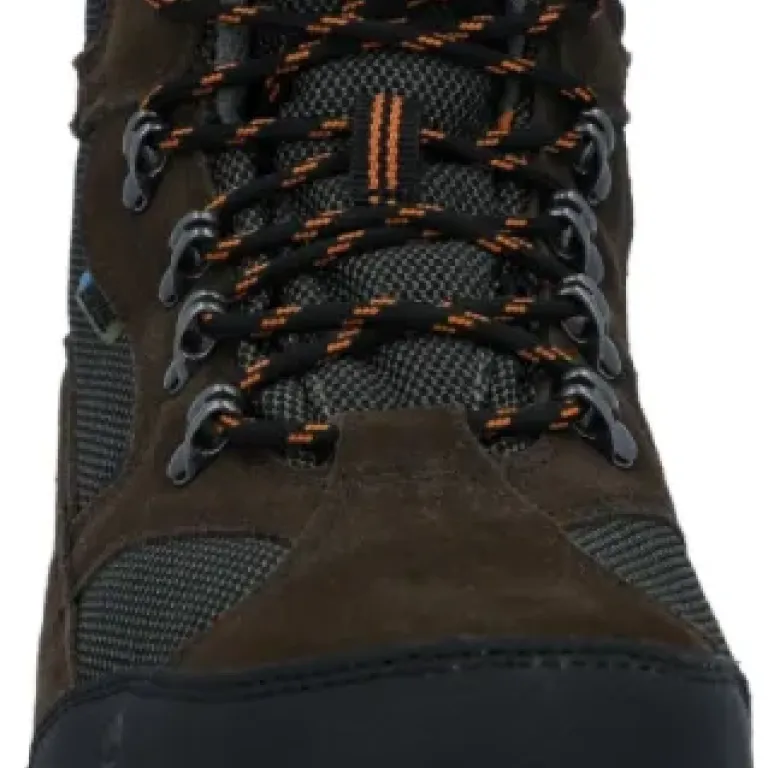
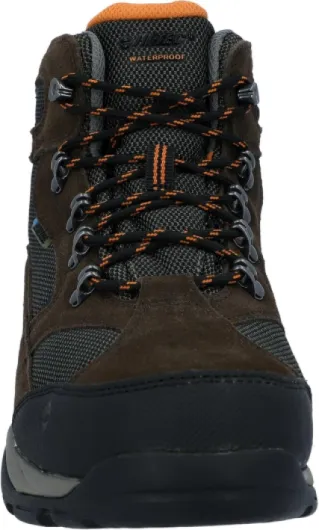
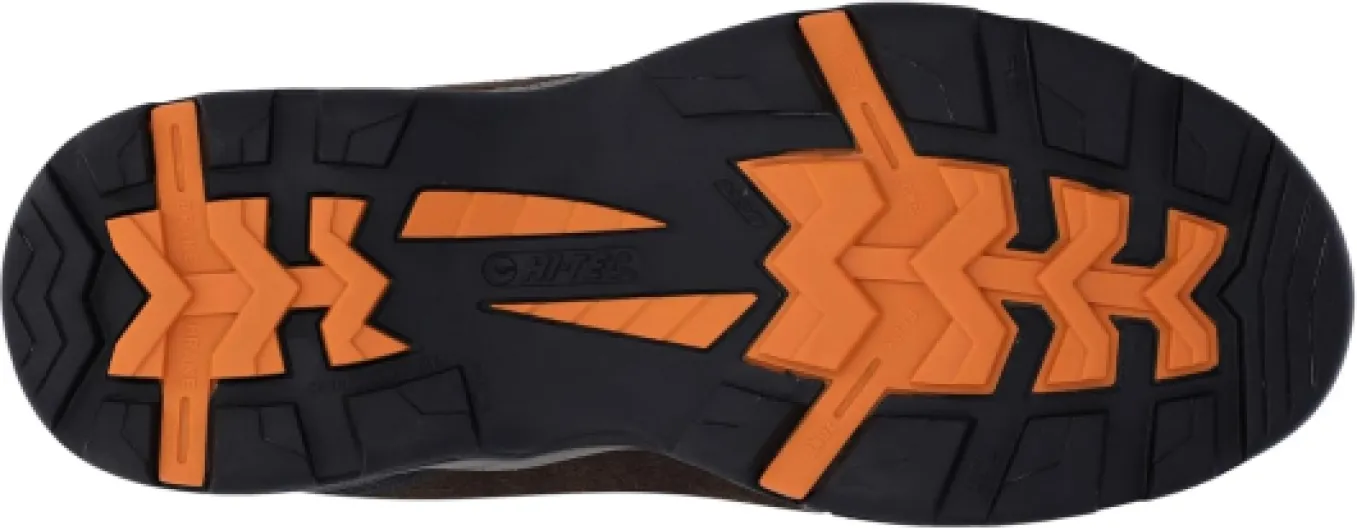
The design is very “classic hiking boot”: round toe, flat heel, ankle-high shaft, standard lace-up with fabric loops and a couple of metal eyelets near the top. No fancy BOA system or hidden zips, just laces that do the job. The tread pattern is fairly aggressive with Multi-Directional Traction (MDT) lugs, which you actually feel when you walk on softer ground. On grass and dirt they bite in nicely; on wet pavement they’re okay but not brilliant.
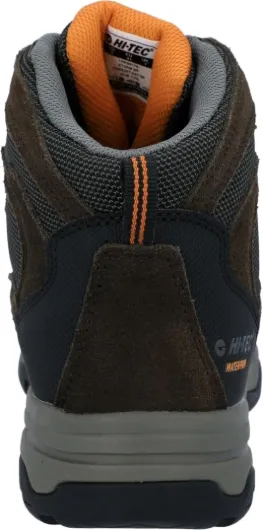
Visually, the brown dark chocolate and taupe combo is neutral and easy to wear with jeans or hiking trousers. The burnt orange accents give a small bit of colour but nothing loud. If you’re expecting sleek or stylish, this isn’t it; it’s more “I walk the dog in all weather” than “city casual”. One thing I did like is the thick padding around the ankle and tongue. It gives a cushioned feel and helps avoid rubbing, especially when the boots are new. They do look slightly bulky on the foot, but that padding pays off for comfort.
One weak part of the design, confirmed by multiple user reviews and my own wear, is the toe bumper and sole bonding. The toe bumper looks tough at first glance, but under that is a thinner rubbery layer over suede. After consistent use, especially if you kneel, scuff, or hit rocks, that area starts to look worn faster than the rest of the boot. A few people have reported the front of the sole starting to separate from the upper near the toe, and I’ve seen early signs of that after many months of daily use. It’s not catastrophic at first, but it shows where they’ve saved money.
In terms of overall design choices, HI-TEC clearly aimed for: light-ish, comfortable, waterproof, and affordable. They didn’t go for a tank-like build with heavy rubber rands and full-grain leather like the Ravine model. So you get a friendlier feel and weight, but you sacrifice some long-term robustness. If you accept that trade-off, the design makes sense. If you’re expecting indestructible boots, you’ll be annoyed once signs of wear show up at the front.
Comfort: where these boots actually shine
Comfort is probably the strongest point of the HI-TEC Tec Storm. Out of the box, they felt broken-in within a day. No nasty hotspots around the heel, no pinching at the toes, and the ankle padding is thick enough that you don’t get that stiff collar digging into your leg. Several Amazon reviewers say the same thing: comfortable from day one, and I’d agree. If you’re used to heavy leather boots that take weeks to soften, these will feel much friendlier.
The fit is on the slightly wide side, which suited me. With medium hiking socks, my toes had enough room not to slam into the front on downhill sections, and there was enough volume to add a thicker sock in winter without feeling cramped. If your feet are very narrow, you might find yourself tightening the laces a lot to get a snug lock, but for average to wide feet they’re easy to live with. The arch support is moderate – not flat, not aggressively shaped – so they should be fine for most people, but if you need custom support, swap the insole.
Underfoot cushioning from the EVA midsole and insole is pretty solid for the price. On long dog walks of 6–8 km on mixed pavement and dirt, my feet felt fine, not battered. On rockier ground you do feel some sharper stones because the sole isn’t as stiff or protective as more technical boots, but it’s acceptable for light to moderate hiking. They are definitely not ultralight, but I never felt like they were dragging me down, even after a full day on my feet.
Breathability is decent for an autumn/winter style boot. They’re padded and waterproof, so don’t expect a cool summer shoe, but my feet didn’t turn into a sauna on cooler days. In warmer weather you can feel the heat build up, but that’s normal for this kind of boot. Overall, if your main concern is “can I wear these every day for walking the dog and not hate my feet?”, then yes – comfort-wise, they do the job very well.
Materials: decent leather, budget sole, and a membrane that needs help
The upper is listed as leather, and it does feel like a mid-grade leather rather than plastic-coated cardboard. It’s not full-grain tank leather; more like a practical, slightly softer leather that breaks in quickly. There are some synthetic overlays and fabric sections in less critical areas. The lining is basically unlined with the Dri-Tec waterproof membrane doing the job on the inside. That membrane is there, but like most budget membranes, it performs best if you help it with regular waterproofing spray or wax, especially where the leather flexes.
The midsole and insole are both compression moulded EVA, which is standard for this price range. It gives decent shock absorption and cushioning without adding much weight. The removable insole is moisture wicking on paper; in reality, it does an okay job, but it’s nothing special. If you have fussy feet or need arch support, you’ll probably end up swapping it for a better insole after a while, which is easy enough because it lifts straight out.
The outsole is synthetic rubber with the MDT pattern. Durability is mixed. Under normal walking and moderate hiking, the rubber holds up reasonably well – several reviewers mention 800+ km and still going. However, the bonding between sole and upper is the real weak link. Glue-only construction at this price is expected, but it means that once the glue starts to go, water can creep in and the sole can begin to peel. A few reviewers with lighter use still reported separation within a year, particularly at the front outer edge of the boot.
Bottom line on materials: good enough for budget hiking boots, but clearly not built like premium brands that cost three times the price. The leather is decent, the EVA cushioning is comfortable, and the outsole grips reasonably well off-road. The compromises show up at the toe bumper and where the sole joins the upper. If you maintain the leather (Nikwax, Grangers, etc.) and don’t hammer them on rocky ridges every weekend, the materials will serve you fine for everyday walking and occasional hikes.
Durability: fine for the money, but the soles are the weak spot
Durability is where opinions on these boots split, and I can see why. On one hand, you’ve got people getting two years of daily use and only then seeing the sole start to peel – which, for under £40–£50, is honestly decent. On the other hand, some users report the sole starting to separate after a few months of light use, especially at the front outer edge and around the toe bumper. My pair sits somewhere in the middle: after heavy daily wear for over a year, the tread is still okay, but there are clear early signs of the sole starting to lift slightly at the front.
The upper leather itself has held up better than I expected. With occasional cleaning and reproofing, it hasn’t cracked badly, and stitching hasn’t blown out. Scuffs and cosmetic wear, sure, but nothing that stops them working. The toe bumper looks rougher, and that thin rubber over suede design isn’t great if you’re constantly kicking rocks or scraping the front of your boots. It’s more cosmetic than structural until the separation starts, but it does make the boots look tired sooner.
The real issue is the glued sole construction. Once water starts getting into that joint, the membrane can’t save you and the peel accelerates. One reviewer mentioned they’re now unusable after 12 months due to sole detachment, even though the tread still looks fine. That’s the risk you take with cheaper boots. If you mostly walk on softer ground and don’t constantly flex the front on steep rocky descents, they’ll last longer. If you hammer them hard, expect a shorter life.
Realistically, I’d say: if you grab these around the £40 mark and get 1.5–2 years of daily or near-daily use, that’s good value. If you’re unlucky and the sole starts to go earlier, it’s annoying but not shocking for this price bracket. If you want boots that last 5–10 years of heavy use, you’re better off paying more for something like Hi-Tec Ravine or other full-leather, stitched options.
Performance: waterproof enough, grip depends on where you walk
On the waterproofing front, my experience lines up with the more positive Amazon reviews – with a caveat. Out of the box, in light rain and wet grass, they kept my feet dry. Walking through dew-soaked fields or shallow puddles was fine, especially in the first few months. However, like others have said, if you’re regularly out in very wet conditions and you never reproof them, they will start feeling more “water resistant” than truly waterproof, particularly once the sole-uppers join starts ageing. After I hit them with Nikwax spray (on damp leather, as recommended), the waterproofing improved a lot and stayed solid.
In terms of grip, on trails, grass, and mud they perform well. The MDT outsole digs in and you feel stable on uneven ground. Where they struggle is wet city surfaces and ice. The rubber is quite firm, which is good for wear but not ideal on smooth, wet pavements. On rainy days in town, I noticed they could feel a bit sketchy stepping on wet manhole covers or smooth slabs. Several reviewers mentioned the same: great on trails, a bit slippery on wet urban surfaces. On ice, they’re about as bad as most non-winter-specific boots – don’t expect miracles.
For daily mileage, they handle regular 6–10 km walks without any drama. The sole has enough cushioning to keep your joints happy, and the ankle support is decent for uneven ground. I wouldn’t pick these for serious mountain routes or scrambles – especially anything exposed where a sole failure would be dangerous – because of the reports of delamination at the front. For lowland hikes, dog walking, and general outdoor use, they’re perfectly serviceable.
If I had to sum up performance: great for the price on light to moderate terrain, solid waterproofing if you look after them, but don’t rely on them as your only pair for technical or high-risk routes. Treat them as budget workhorses, not alpine gear.
What you actually get for the price
On paper, the HI-TEC Tec Storm boots tick a lot of boxes: Dri-Tec waterproof membrane, leather upper, synthetic sole, EVA midsole and insole, lace-up, ankle height, about 1 kg for the pair. The style is very standard: brown leather with darker accents and a bit of burnt orange detailing. It’s clearly a hiking boot, not a fashion sneaker, and that’s fine. The boot sits just above the ankle, so you get some ankle support without feeling like you’re in a ski boot.
Out of the box, mine looked clean and fairly well put together: no obvious glue blobs, no loose stitching, and the sole was aligned properly. This lines up with several Amazon reviews saying they arrived “perfect with no visible flaws”. They don’t scream premium, but they don’t look cheap and plasticky either. If you’ve seen mid-range Decathlon or Karrimor boots, you’re in the same ballpark visually.
Fit-wise, they lean slightly on the wider side, which is good if you’ve got broad feet or you like wearing thicker socks. I usually wear an 8 UK and ordered my normal size. Length was spot on, with enough toe room for downhill walking. People with narrow feet might find them a bit roomy unless they cinch the laces tight or use thicker socks or insoles. There’s a removable EVA insole, so swapping it for something more supportive or shaped to your foot is easy.
Overall, in terms of presentation, you’re getting a straightforward hiking boot: not light like a trail runner, not heavy like a full leather mountain boot. For the price range (often under £50, sometimes nearer £40 on offer), the spec sheet is pretty solid. The catch, which I’ll come back to, is that some of the materials and construction feel designed for 1–2 years of regular use, not a decade of abuse.
Pros
- Very comfortable straight out of the box, with a slightly wide fit and good ankle padding
- Decent waterproofing for everyday use, especially if you reproof the leather occasionally
- Good value when bought around the £40–£50 mark for daily walking and light hiking
Cons
- Sole and toe bumper durability are weak points, with some reports of early delamination
- Grip is only average on wet pavements and poor on ice compared to softer, grippier rubbers
Conclusion
Editor's rating
Overall, the HI-TEC Tec Storm Waterproof Walking Boot is a practical budget boot that does most things reasonably well, with a few clear compromises. The big positives are comfort, price, and general day-to-day usability. They’re easy to wear straight out of the box, have a slightly wide fit that works well for a lot of feet, and the Dri-Tec membrane combined with basic leather care keeps your feet dry in typical British wet grass and rain. For dog walkers, casual hikers, and anyone who wants a cheap, no-nonsense boot for autumn and winter, they make sense.
The downsides are mostly about long-term durability and grip in certain conditions. The glued sole and toe bumper design are the weak spots; after enough mileage, especially on harder ground, you may see the sole start to lift at the front. They’re also not the best on wet pavements or ice due to the firm rubber. If you’re planning serious mountain routes, scrambling, or you want a pair of boots to last you the next decade, these are not the right tool. In that case, pay more and go for something like the Hi-Tec Ravine or another full-leather boot with tougher construction.
If you treat them as affordable everyday boots that might last you a couple of years of regular use, they’re a solid buy. If you expect premium-boot lifespan and performance for under £50, you’ll be disappointed. For most casual users, I’d say they’re worth it – just keep an eye on the sole and give them a bit of waterproofing love now and then.