
Summary
Editor's rating
Value for money: good if your expectations match the price
Design: looks like a hiking shoe, feels like a chunky trainer
Comfort: okay for a few hours, less fun for full-day hikes
Materials: synthetic all the way, with the pros and cons that come with it
Durability: feels okay so far, but not built like a tank
Performance: decent grip, questionable waterproofing
What you actually get for the price
Pros
- Low price for a functional pair of outdoor walking shoes
- Decent grip and toe protection for casual trails and daily use
- Easy to clean synthetic upper that handles mud and splashes reasonably well
Cons
- Not truly waterproof despite the marketing claims, only water-resistant
- Fit runs on the snug side and stock insole is basic, limiting comfort on long walks
- Synthetic materials don’t breathe very well, so feet can get warm and sweaty

Specifications
View full product page →| Brand | Topwolve |
Budget hiking boots that look the part, but are they really trail-ready?
I’ve been wearing these Topwolve A20 hiking shoes (low-rise, size 11 UK, green) for a few weeks on local trails, dog walks, and a couple of wet commutes. I went in with low expectations because it’s a brand I’d never heard of, but the price was tempting and the reviews sit around 3.8/5, which usually means “some people are happy, some got burned.” That felt honest enough for me to give them a go.
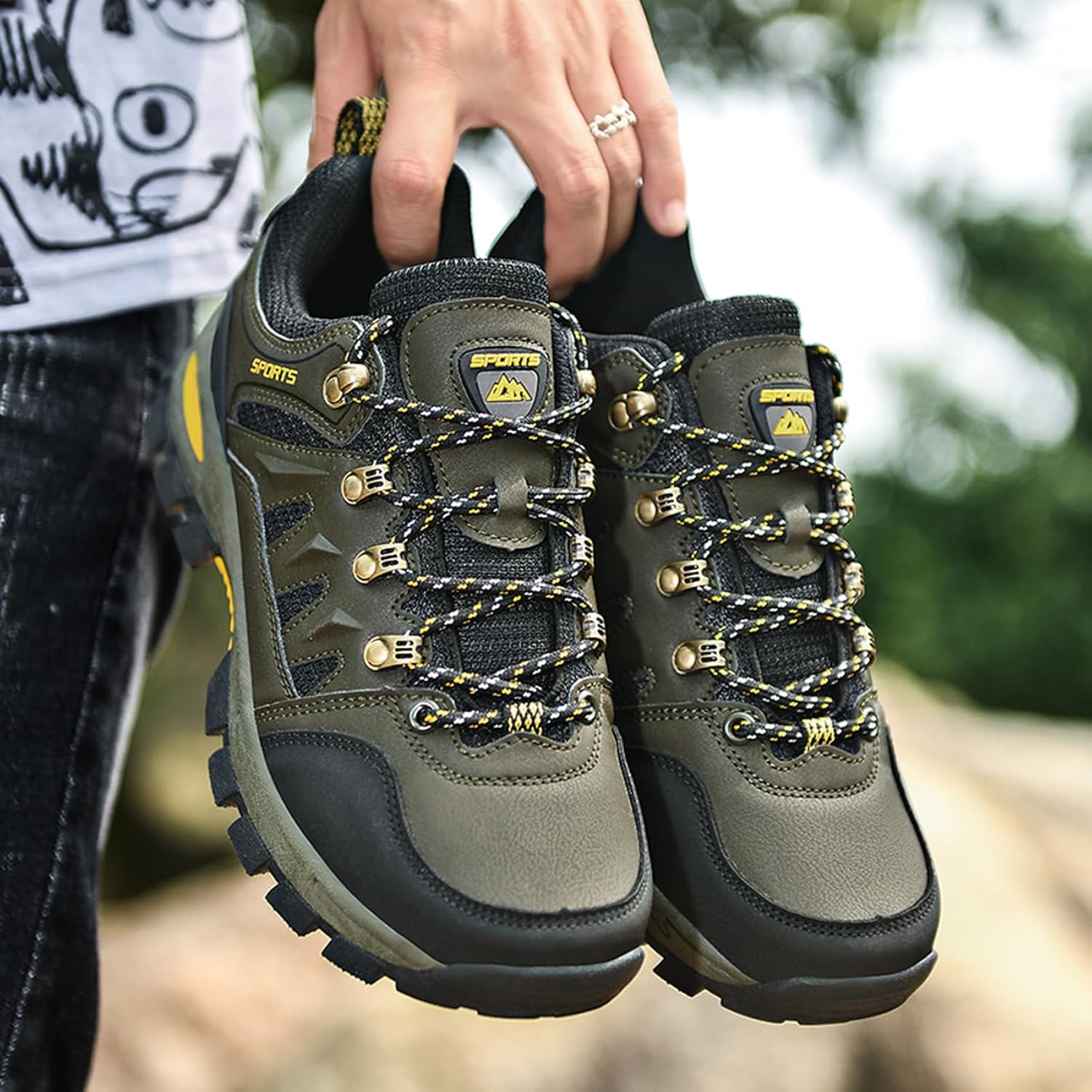
Right out of the box, they look like basic hiking shoes: chunky sole, synthetic upper, ankle height, and that typical “outdoor” green. Nothing fancy, but they don’t scream cheap from a distance either. If you’ve worn entry-level hiking shoes from supermarket brands or low-end Decathlon stuff, that’s roughly the vibe. I wasn’t expecting miracles, just something that can handle mud, short hikes, and bad pavements without killing my feet.
The big selling points in the listing are waterproof, lightweight, and good grip. On paper, that’s exactly what you want for casual hiking. In reality, it’s more like: splash-resistant, light enough, and the grip is okay on dry ground but not magic on wet surfaces. They get the job done if you know their limits and don’t treat them like premium boots from big outdoor brands.
Overall, after using them in mixed conditions, I’d say they’re decent budget walking shoes for dry to mildly wet conditions, but they’re not the boots I’d trust for long mountain days or constant rain. If you just want something cheap for dog walks, park trails, or occasional easy hikes, they can work. If you’re planning to stomp through streams or hike all day in bad weather, I’d look higher up the range.
Value for money: good if your expectations match the price
When you look at these boots purely through the lens of price, they’re good value as long as you’re realistic. You’re paying budget money for a pair of unisex hiking-style shoes that can handle casual outdoor use. For that role—weekend walks, dog runs, light hikes—they do the job. Some reviewers on Amazon say they’re very comfortable and great value, and I can see why if they mainly use them for short distances or dry conditions.
Where the value drops is if you buy them expecting top-level waterproofing or long-distance hiking performance. The listing and bullet points oversell the “waterproof” part. That mismatch between marketing and reality is exactly why you see 1–3 star reviews saying “not waterproof.” If you need serious waterproof boots, you’re better off spending more on a known brand with a proper membrane. In that context, these feel cheap and underperforming. But if your bar is “better than trainers in mud and light rain,” then they’re actually decent for the price.
Compared to entry-level models from big hiking brands, you usually pay at least 1.5–2x more. Those shoes often give you better fit, real waterproof membranes, and nicer materials. So it really depends on your budget and how often you hike. If you’re just starting out or you only go on trails a few times a year, it’s hard to justify dropping big money. In that case, these Topwolve A20s are a reasonable low-cost option with known limitations.
So in terms of value: if you’re okay with “synthetic, moderately comfy, water-resistant not waterproof, decent grip,” then you’re getting what you pay for and maybe a bit more. If you want something to rely on for serious outdoor adventures, I’d say spend more now rather than buying these and then upgrading later when they don’t keep up.
Design: looks like a hiking shoe, feels like a chunky trainer
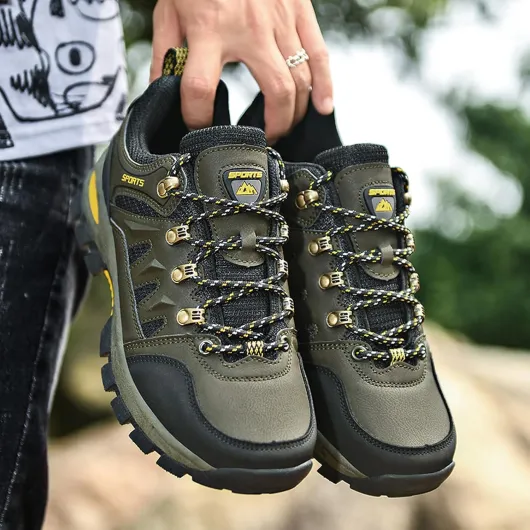
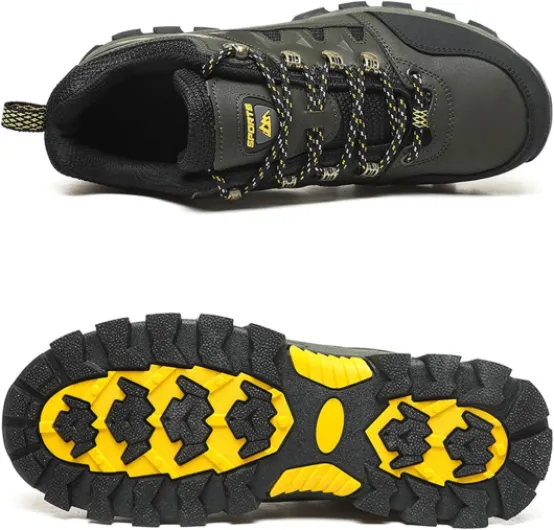
Visually, these boots do their job: they look like standard low-rise hiking shoes. The green colour is pretty neutral, somewhere between olive and dark green, so it hides mud fairly well and doesn’t stand out too much. The overall shape is a bit bulky, especially around the sole, but that actually helps them look more “outdoor” and less like cheap trainers. If you’re wearing them with jeans or hiking trousers, they blend in fine. Nobody is going to compliment them, but nobody will think they’re toy shoes either.
The design is ankle-high, so you get some light support around the ankle without feeling like you’re in full boots. The toe area has a protective cap, which I did test unintentionally by kicking a rock and a curb; my toes survived without drama. That’s one of the things they did well: the front feels solid enough for everyday clumsiness. The laces go up high enough to secure the ankle, and there are enough eyelets to adjust tightness decently.
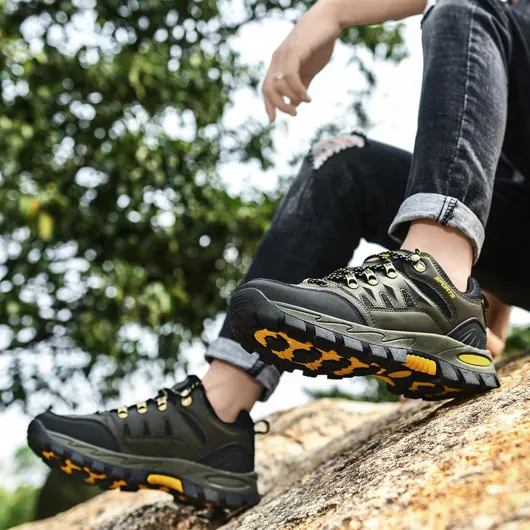
The sole has a fairly aggressive tread pattern with larger gaps between the lugs. In theory, this helps prevent mud clogging, and in practice it’s okay. On muddy paths, they do pick up some dirt, but it doesn’t turn into a complete mud brick under your foot, which is nice. On flat indoor surfaces, the chunky sole makes them feel a bit heavy visually, but they’re not crazy on the scale. They’re lighter than classic leather hiking boots, heavier than running shoes.
In short, the design is practical and basic. They look like budget hiking shoes and that’s exactly what they are. If you care about sleek style or want something that looks good at the office, these aren’t it. If you just want something that looks reasonably tough for trails, they’re fine. No real design innovation, just a standard outdoor look that gets the job done.
Comfort: okay for a few hours, less fun for full-day hikes
Comfort-wise, I’d put these in the “fine but not great” category. When I first put them on, they felt a bit stiff but not painful. After a couple of short walks (2–3 km each), they loosened up slightly and started to feel more natural. The padding around the ankle is decent, so you don’t get hard edges rubbing your skin, and the tongue is cushioned enough to tighten the laces without cutting into your foot.
The fit is on the narrower and snug side. I have average-width feet and my usual size 11 was just about right with thin to medium socks. With thick hiking socks, it gets tight, especially across the midfoot. I didn’t get blisters, but I could feel pressure on longer walks. If your feet are wide or you like a roomy toe box, I would seriously consider going up half or a full size, like one of the Amazon reviewers suggested. If you’re between sizes, definitely size up.
On flat ground and pavements, the cushioning is decent. They’re not bouncy, but they absorb normal daily impact well enough. On rocky paths, the stiff sole helps protect your feet from sharp stones, which I liked. The flip side is that they don’t flex much, so after 10+ km I started to feel some fatigue in my arches and ankles. The stock insole is very basic—thin and not very supportive. After a few uses, I swapped in my own insoles from another pair of shoes, and that made a noticeable difference.
In daily life—dog walks, quick trips to the shop, light hikes up to a couple of hours—they’re comfortable enough. For full-day hikes or standing all day at work, I’d say they’re borderline. They can do it, but you’ll feel it in your feet at the end of the day. If comfort is your top priority, I’d either size up and add a better insole, or just spend more on a known hiking brand.
Materials: synthetic all the way, with the pros and cons that come with it
The upper is made of synthetic PU leather and other synthetic fabrics, with a rubber sole and some sort of rubbery insole. Everything about this shoe screams budget synthetic, which isn’t automatically bad, but you need to know what you’re getting into. The good side: they’re easy to wipe clean, they dry reasonably fast if they get splashed, and they don’t need any special leather treatment. I’ve walked through puddles and light rain; the upper beads water at first, so it does offer some splash protection.
On the downside, PU leather doesn’t breathe like real leather. After a couple of longer walks (around 8–10 km), my feet felt a bit warm and sweaty, especially with thick socks. The inside textile is soft enough and doesn’t feel rough on the skin, but it doesn’t ventilate much. For short walks and casual use, it’s fine. For hot summer hikes or long days on your feet, you’ll probably want better ventilation or a more technical fabric.
The rubber sole is fairly stiff. When you try to bend the shoe in your hands, there’s some flex, but not a lot. On the trail, that means decent protection from stones and roots—you don’t feel every tiny rock poking through—but it also means less natural foot movement and a slightly clunky feel if you’re used to lighter hiking shoes or trail runners. The insole is basic rubbery foam, nothing special. It’s okay for short to medium walks, but I’d swap it for a better insole if you plan to wear them all day.
Overall, the materials are what you’d expect at this price: synthetic, functional, and built more for durability and water resistance than for breathability and comfort. If you’re fine with that trade-off and you mainly need something cheap that you won’t cry about if it gets trashed, these materials make sense. If you want something that feels premium or very breathable, you’ll be disappointed.
Durability: feels okay so far, but not built like a tank
Durability is always tricky to judge after a few weeks, but I can at least talk about early signs. After several walks in mud, rain, and on rough pavements, the shoes are holding up reasonably well. The sole shows minimal wear at the heel and forefoot, nothing alarming. The upper hasn’t cracked or peeled yet, and the stitching is still intact. For a cheap synthetic boot, that’s a good start. They don’t feel like they’re going to fall apart in a month, which is often the risk at this price range.
That said, you can tell from the materials and construction that these aren’t made for years of heavy use. The PU leather is on the thinner side compared to real leather boots, and if you bend it hard with your hands, you can see slight creasing that will probably get more visible over time. The lace eyelets are just punched through synthetic material, not reinforced metal hooks, so I wouldn’t over-tighten the laces too aggressively every day. They’re fine for normal use, but if you’re rough, something will eventually give.
I’ve used them in wet mud, then hosed them off and let them dry at room temperature. They survived that without warping or the sole starting to separate, which is a good sign. I wouldn’t dry them on a radiator or next to high heat though; synthetic glue and PU don’t like that. Care instructions say hand wash only, and I’d stick to simple cleaning with a brush and damp cloth. The more gently you treat them, the longer they’ll last.
My honest guess: for light to moderate use (a few walks a week, occasional hikes), they’ll probably last a year or two before looking tired or losing support. For daily heavy use, especially in tough conditions, I doubt they’ll go the distance like a more expensive boot from a major brand. So durability is acceptable for the price, but don’t expect miracles. They’re more “disposable” hiking shoes than long-term investment boots.
Performance: decent grip, questionable waterproofing
Let’s talk about how they actually behave outside. On dry ground—gravel paths, forest trails, city pavements—the grip is pretty solid. The rubber sole has a good pattern that bites into dirt and loose stones reasonably well. I didn’t feel like I was slipping around, even on small slopes. For casual hiking and daily walks, the traction is more than enough. On wet tarmac and wet wooden surfaces, they’re okay but not impressive. If you rush down a wet ramp or smooth stone, you’ll feel them slide a bit, so you still need to be careful.
The big point: waterproofing. The listing calls them waterproof, and some people in the reviews clearly bought them for that. In my experience, they’re water-resistant, not truly waterproof. In light rain and walking through wet grass, my feet stayed dry for about 30–40 minutes. The upper beads water at first, and splashes don’t go straight through. But once I started walking through deeper puddles and very wet grass for longer, I could feel moisture creeping in around the tongue area and seams. Not like a flood, but a slow dampness.
Several Amazon reviewers say the same thing: “Not waterproof, ok for dry weather.” I agree. If you’re expecting them to behave like proper waterproof hiking boots with a membrane (like Gore-Tex or similar), you’ll be disappointed. For short, wet walks or the odd shower, they’re fine. For all-day rain or crossing streams, no. They’re closer to water-repellent trainers than serious waterproof boots.
In terms of overall performance, I see them as budget all-round outdoor shoes. They’re good enough for: weekend walks, easy hikes, walking the dog in the park, some light work outside. They’re not the best choice for: multi-day treks, very muddy steep trails, or anywhere you absolutely need dry feet for hours. If you treat them as mid-level walking shoes and not as true trekking boots, they perform reasonably well for the price.
What you actually get for the price
On the product page they’re sold as unisex hiking boots, waterproof, ankle-high, with a rubber sole and synthetic upper. Mine arrived in a very basic cardboard box with no extras inside. No spare laces, no fancy insole, just the shoes wrapped in thin plastic. It’s bare minimum packaging, which honestly matches the price point. If you’re used to mid-range brands with nice boxes and care guides, this feels a bit no-frills, but it doesn’t affect how they work on your feet.
The model name is A20, made in China, with faux leather / PU upper and a rubber sole. The brand is Topwolve, which I’d never heard of before. It’s obviously a budget Amazon brand, not an established outdoor name. You can see it in the little details: the stitching is straight but not perfect, the branding is a bit generic, and the materials feel more like tough trainers than serious hiking gear. Nothing screamed “falling apart immediately,” but you can tell this isn’t premium stuff.
They’re sold as waterproof walking boots with a focus on hiking, trekking, city walking, and even work. That’s a lot of promises for one cheap pair of shoes. After using them, I’d re-label them as water-resistant casual hiking shoes. They’re fine for light rain and wet grass, but not full-on waterproof. The marketing leans a bit too hard on that word, and that’s where some of the negative reviews come from.
Size-wise, I took my usual UK 11. One Amazon reviewer mentioned one shoe being tight and suggested sizing up. In my case, both shoes fit, but they’re snug. If you like thick hiking socks or have wide feet, I’d seriously consider going up half or a full size. Overall presentation: functional but cheap, exactly what you’d expect from a no-name Amazon hiking shoe in this price range.
Pros
- Low price for a functional pair of outdoor walking shoes
- Decent grip and toe protection for casual trails and daily use
- Easy to clean synthetic upper that handles mud and splashes reasonably well
Cons
- Not truly waterproof despite the marketing claims, only water-resistant
- Fit runs on the snug side and stock insole is basic, limiting comfort on long walks
- Synthetic materials don’t breathe very well, so feet can get warm and sweaty
Conclusion
Editor's rating
After using the Topwolve A20 hiking boots for everyday walks and a few longer outings, my take is simple: they’re budget-friendly outdoor shoes that are fine for casual use, but not reliable enough for serious hiking in bad weather. They look like basic hiking shoes, the grip is decent on dry and mildly wet ground, and they’re comfortable enough for a couple of hours if you don’t push them too hard. The synthetic materials make them easy to clean and you don’t have to worry about babying real leather.
The two main weak points are the fit and the waterproofing. The fit runs a bit snug, especially if you wear thicker socks, so I’d consider sizing up or at least being ready to change the insole. As for waterproofing, I’d call them water-resistant at best. They hold up fine in light rain and wet grass for a while, but in steady rain or deeper puddles, moisture creeps in. If you buy them expecting fully waterproof boots, you’ll be disappointed. If you treat them as tough trainers for the outdoors, they feel more honest.
Who are they for? People who want a cheap pair of trail shoes for dog walks, park trails, occasional short hikes, or light outdoor work, and who don’t mind the synthetic feel. Who should skip them? Anyone planning long hikes, mountain trips, or regular use in heavy rain and mud. In that case, it’s worth saving up for a more serious hiking brand with better fit and true waterproof tech.