
Summary
Editor's rating
Pretty good value if you catch them on sale
Looks like a hiking boot, wears fine in the city
Feels more like a padded sneaker than a stiff boot
Materials feel okay for the price, but not heavy‑duty
Holds together well, but the sole is the weak link
Decent on the trail, but not a hardcore workhorse
What you actually get with these Columbia boots
Pros
- Very comfortable out of the box with minimal break‑in needed
- Good waterproofing on the leather and lower boot for normal rain and puddles
- Light for a boot and easy to wear both on trails and around town
Cons
- Softer outsole rubber may wear faster with heavy daily use
- Tongue is only water‑resistant, can get damp in prolonged heavy rain
- Runs warm and not ideal for hot summer conditions or very sweaty feet

Specifications
View full product page →| Brand | Columbia |
Comfortable boots that don’t need a painful break‑in
I’ve been using the Columbia Newton Ridge Plus II Suede WP in Cordovan/Squash as my main boot for a mix of weekend hikes, dog walks, and rainy-day errands. I’m not a mountaineer, just a regular guy who wants something that doesn’t destroy my feet and can handle mud, wet sidewalks, and the odd rocky trail. I’ve worn them in light rain, on a couple of 10–12 km hikes, and for normal day‑to‑day stuff like going to work and running errands.
The first thing that stood out was how they felt straight out of the box. No brutal break‑in phase, no hotspots on the heel, nothing digging into the toes. Compared to some heavier leather boots I’ve owned, these feel closer to a stiff sneaker with ankle support than a classic work boot. I laced them up, walked the dog for an hour, and didn’t think about my feet at all, which is usually a good sign.
Over a few weeks, I tried to use them in different conditions: wet grass, compact dirt trails, a bit of loose gravel, and normal city pavements. I didn’t baby them, but I also didn’t treat them like industrial work boots. They’re clearly meant more for hiking and casual use than daily warehouse abuse, and that matches how I’ve used them. So my opinion is based on “regular guy” usage, not extreme backpacking or construction site work.
My overall impression so far: they’re pretty solid for the price if you know what you’re buying. Good comfort, decent waterproofing for everyday use, and a look that doesn’t scream “technical gear” when you wear them in town. But they’re not bombproof work boots, and there are a few things that bug me, especially around breathability and how the sole rubber feels in terms of long‑term wear.
Pretty good value if you catch them on sale
Price‑wise, these usually sit in that mid‑budget range, and they often go on sale. At full price, they’re okay; on discount, they’re good value for money. You’re getting a boot that’s comfortable out of the box, reasonably waterproof, and decent looking, from a known brand. You’re not paying for premium leather or rebuildable construction, but you’re also not stuck with the cheap, painful junk you find at the bottom of the price range.
Compared to more expensive hiking boots from brands like Salomon, Lowa, or Scarpa, you do lose some things: better leather, more precise fit options (wide/narrow), and often more durable outsoles. But you’re also paying significantly less. If you hike a couple of times a month and mostly use them for errands and bad weather, it’s hard to justify dropping double the price unless you’re really into gear. For that kind of user, these Columbias hit a nice middle ground.
On the other hand, if you want one boot to do hard daily work plus serious hiking, I’d say look higher up the range or at true work boots. The cemented construction and softer rubber just aren’t built for that. You’ll burn through them faster and the value will drop because you’re replacing them more often. Also, if you live somewhere very hot, you might end up not using them much in summer because they run warm, which again reduces the value you get per year.
So my take: if you can grab them on sale and you’re an average user (weekend hikes, dog walks, wet commutes), they’re worth the money. If you’re a heavy user or gear snob, you’ll probably want to spend more and get something with tougher materials and better long‑term support. They sit in that “good enough and comfortable” zone, which is honestly what a lot of people need.
Looks like a hiking boot, wears fine in the city
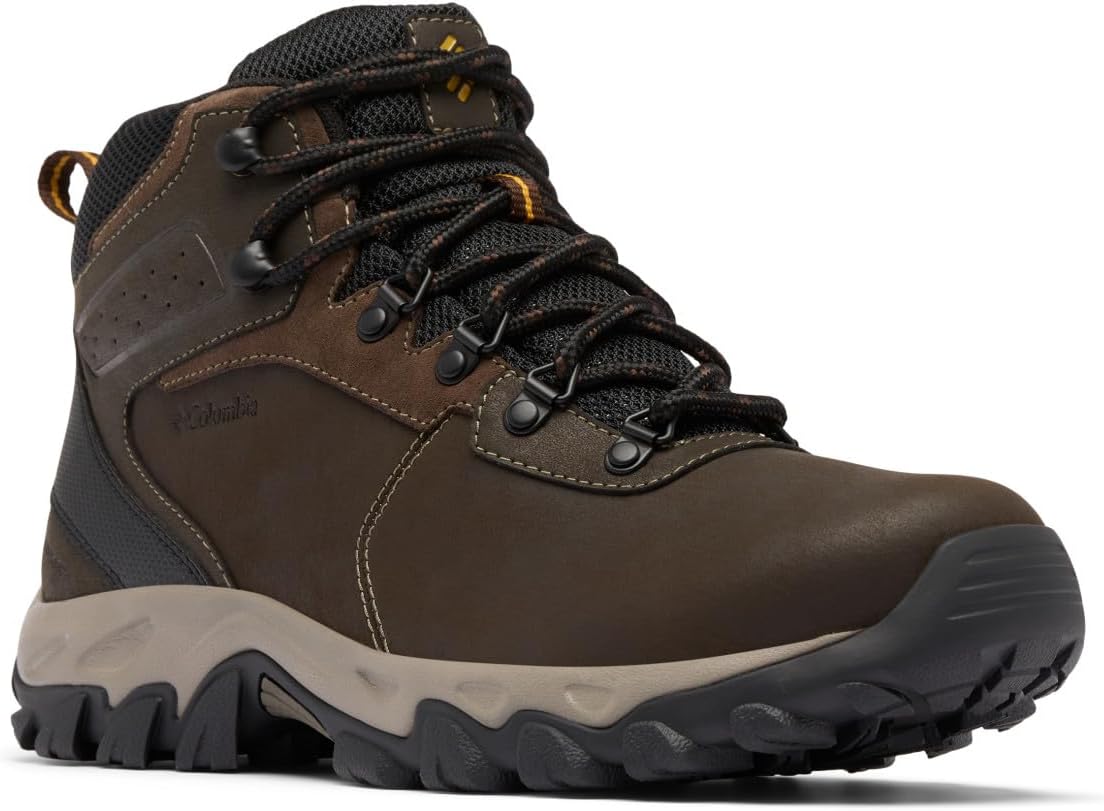
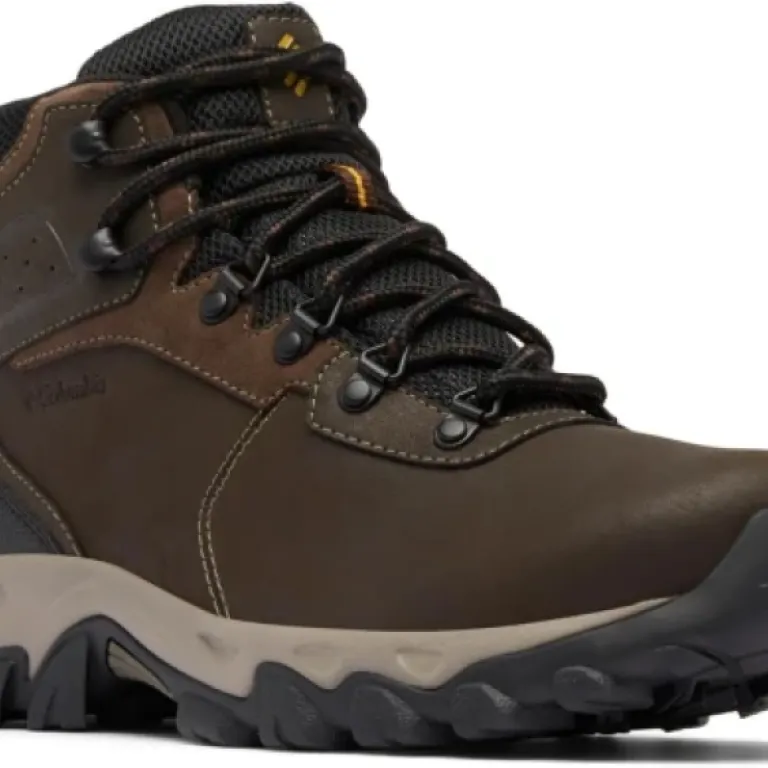
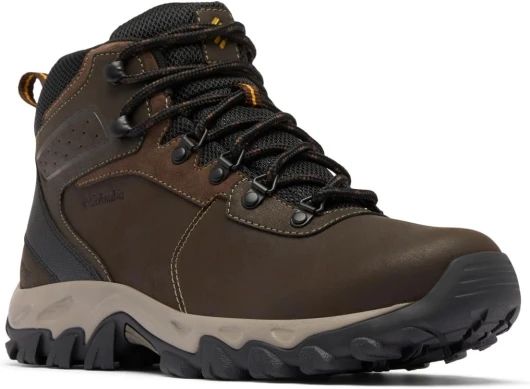
Design‑wise, Columbia kept things pretty simple, which I liked. The Cordovan/Squash color is basically dark brown suede with some lighter accents and a bit of orange/yellow tone in the details. No neon panels, no weird patterns, so you can wear them with jeans in town and not feel like you’re about to start a thru‑hike. If you hate flashy outdoor gear, these are fine. The branding is there but not huge, and the overall shape is pretty classic hiking boot.
The lacing system uses regular eyelets down low and metal hooks at the top. The hooks make it quick to get in and out, but they’re not my favorite for tight, precise lacing; I usually have to re‑adjust once or twice to get the tension right along the foot. Some people prefer full eyelets all the way up for a more locked‑in feel. The tongue is padded and stitched to the boot up to just below the top hooks, which helps keep debris and splash out. The padding around the ankle is noticeable but not bulky, so it doesn’t dig into your leg when you flex.
From the side, the boot has that slight “runner” vibe because of the midsole shape. It doesn’t look as chunky as a classic all‑leather boot. That’s nice if you want something that doesn’t feel like overkill at the supermarket, but if you love that heavy-duty look, this one feels a bit tamer. The suede finish has a slightly waxy feel, which helps it shrug off dirt and water spots a bit better than dry suede. After a few muddy walks, a quick brush and wipe made them look decent again, so they clean up pretty well.
My only real complaint on design is the tongue area and the use of coated leather. Some panels clearly have that plastic‑coated look, which is normal at this price but doesn’t scream “premium.” It doesn’t ruin the boot, but if you’re picky about leather texture, you’ll notice it. Still, for a practical hiking boot, the design is functional and low‑key, which is what I want most days.
Feels more like a padded sneaker than a stiff boot
Comfort is honestly the main strong point here. I wore them straight out of the box for a few hours without any blisters or real hot spots. No brutal break‑in, which is rare with boots. The padding around the ankle and the tongue is generous, so you don’t get that sharp edge cutting into your leg when you flex or go downhill. If you’re used to sneakers and nervous about boots, these are a gentle step up.
The fit for me (true to size) was slightly roomy in the toe box, which I liked for hiking. With medium hiking socks, my toes had enough space to wiggle and didn’t smash into the front on descents. The heel lock is decent if you lace all the way up and actually use the top hooks. I didn’t get heel lift, which is usually my main problem with cheaper boots. The boot wraps the midfoot snugly without crushing it, at least for my average‑width feet. If you have very wide feet, you might want to try them on first; they’re not super narrow, but they’re not a wide‑fit boot either.
Underfoot, the cushioning is on the firmer side of comfortable. You feel protected from rocks and roots, but you don’t sink into a pillow. After a 10 km hike on mixed terrain, my feet were tired but not destroyed, which is normal. On long days walking on pavement, they’re fine, but they don’t feel as easy as proper running shoes, obviously. Still, they’re much lighter and less clunky than full leather work boots I’ve owned, so for all‑day city use in winter, they’re totally workable.
The downside of all the waterproofing and padding is heat. These boots run warm. In cool weather, that’s great. In summer or if you run hot, your feet will sweat. The mesh tongue helps a bit with airflow, but the waterproof bootie and coated leather trap heat. After a long walk in mild weather, my socks were definitely damp from sweat, not leaks. So comfort is high in terms of fit and cushioning, but breathability is just okay, not great.
Materials feel okay for the price, but not heavy‑duty
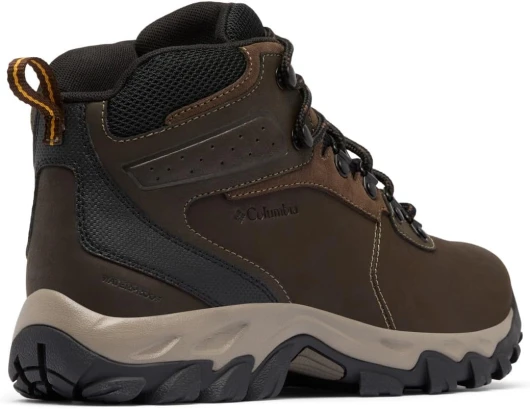
The upper is mostly suede leather with some synthetic and mesh parts. We’re not talking top‑tier full‑grain leather here; it’s more of a coated, mid‑range suede that feels a bit plasticky in some areas. That matches the price point, so I wasn’t shocked. It’s stiff enough to give structure but not so rigid that you need weeks of break‑in. The coating helps with water resistance and makes cleaning easier, but it also means the leather doesn’t really mold to your foot the way nicer leather does over time.
Inside, there’s a synthetic mesh lining all around, which is there for comfort and to help with moisture. It feels smooth on the foot and I didn’t notice any nasty seams or rough spots, even when I tried them briefly without socks at home just to check. There’s a removable insole that’s basic but not awful: a bit of cushioning, not super supportive, but fine for average feet. If you have flat feet or need special support, you’ll probably want to swap it for your own insoles.
The midsole is Columbia’s lightweight foam (they hype it a lot in the description). In practice, it’s just a standard EVA‑type foam that gives some bounce and cushioning without being too squishy. It absorbs shocks on hard ground decently. The outsole is rubber with their OMNI‑GRIP pattern. The rubber is on the softer side, which is good for grip but usually means faster wear. You can literally bend some of the thinner lugs with your thumb. That’s fine for hiking and casual use, but I wouldn’t trust it for a year of daily warehouse concrete floors.
Hardware‑wise, the lace hooks and eyelets are metal and feel okay. I haven’t had any rip out or bend, but I’m not yanking on them like a maniac either. The tongue is mesh with some padding and a waterproof bootie underneath in the main body. This mix of leather, mesh, and coated panels makes sense for a boot that wants to be waterproof yet still somewhat breathable. Overall, materials are decent for the price, but if you’re expecting old‑school, thick leather that lasts 10 years, this isn’t that.
Holds together well, but the sole is the weak link
Durability is always tricky to judge in a short period, so I’m leaning a bit on my use plus what other long‑term users say. The good news: these boots tend to stay structurally intact. People report wearing them for years until the sole finally gives out, and that lines up with how they feel. The stitching around the upper looks neat, no loose threads on mine, and the glue lines between the upper and sole were clean. I’ve had no issues with seams splitting, eyelets tearing out, or the toe cap separating so far.
The outsole, though, is clearly on the softer side. You can press the smaller lugs with your finger and see them flex. That’s fine for grip, but if you’re walking on abrasive surfaces a lot (concrete, rough gravel, warehouse floors), you’re going to chew through the tread quicker than a more hard‑wearing work boot. I wouldn’t be shocked if someone who wears them every single day to work starts to see noticeable wear at the heel after a few months. For my more casual use (a few hikes a month + regular rainy days), it’s totally acceptable.
The upper leather and coating seem to handle scuffs pretty well. I’ve bumped them on rocks and scraped them on branches, and it mostly just left light marks that brushed off or faded with a bit of cleaning. They don’t have that “will last 10 years” tank feel, but they also don’t fall apart at the first sign of rough ground. The metal hooks and eyelets are still holding fine, and I don’t see any sign of them pulling out of the leather yet.
Overall, I’d say durability is good for casual hikers and regular users, but not for people who want one boot to do daily hard labor plus weekend hiking. If you treat them as a solid mid‑range hiking boot and not as indestructible work gear, you’ll probably be happy with how long they last. Just accept that the sole is what will end their life, not the upper blowing out.
Decent on the trail, but not a hardcore workhorse
On actual trails, the Newton Ridge Plus II Suede WP does the job. The grip from the OMNI‑GRIP sole is good on dirt, wet grass, and rocks. I didn’t feel like I was sliding around, even on slightly muddy sections. The softer rubber helps here; it bites into surfaces better than harder compounds. On wet pavement and slick city tiles, traction was also decent. I never had that “ice skate” feeling you sometimes get with cheap hard soles. So for light to moderate hikes and rainy city days, the performance is solid enough.
In terms of support, the ankle height and stiffness give you a bit of help if you step on uneven ground. I tried to roll my ankle on purpose a couple of times on side slopes, and the boot resisted reasonably well. It’s not a super stiff mountaineering boot, but for the kind of hikes most people do (forest paths, rocky tracks, uneven parks), it’s plenty. With a backpack around 8–10 kg, I felt stable enough. I wouldn’t pick this for hauling very heavy loads over technical terrain for days, but that’s not really its target.
Waterproofing is mostly good, with one clear limit: the tongue. The leather and lower area stay dry even when walking through wet grass and shallow puddles. I stood in a puddle that covered most of the toe box for about a minute, and nothing came through. In sustained rain, without any gaiters or coverage, the tongue area slowly started to feel damp after a while, especially where the tongue meets the upper. Not soaked, but not perfectly dry either. So I’d call it “waterproof enough” for regular rain, wet commutes, and occasional stream splashes, but not ideal if you’re spending hours in heavy rain.
Where performance drops is if you try to use these as full‑time work boots on concrete or in a warehouse. The outsole rubber is soft, and based on the feel and some user reviews, it will wear faster if you hammer it every day on rough surfaces. They also lack the kind of reinforcement you see on true work boots (like heavy toe caps or double stitching everywhere). So as a hiking and casual boot, performance is good. As a daily industrial boot, it’s not built for that level of abuse.
What you actually get with these Columbia boots
On paper, the Newton Ridge Plus II Suede WP is sold as a waterproof hiking boot with a suede upper, rubber sole, and Columbia’s usual marketing stuff: OMNI‑GRIP outsole, lightweight midsole, and a waterproof bootie construction. In real life, it looks and feels like a mid‑height hiking boot that’s trying to sit between proper trail gear and something you can wear around town without looking over‑equipped. The color I had, Cordovan/Squash, is basically dark brown with some warmer accents, not loud or flashy.
The boot height is around the ankle, so you get some support but it’s not a tall boot like a classic work model. The shaft is listed as “ankle,” and that checks out: it covers the ankle bone, gives a bit of protection, but doesn’t feel like you’re locked into a ski boot. Weight‑wise, they’re lighter than most full‑grain leather boots I’ve had, but clearly heavier than trail runners. To me, they land in that “light hiking boot” category: enough structure to feel safe on rocks, but not so much that your legs get tired quickly.
Columbia goes hard on the waterproof and traction claims. In practice, the leather and lower part of the boot do keep water out well, and the outsole grips decently on wet pavement and dirt. The tongue is gusseted up to just below the top hooks, which helps with puddles and shallow water, but the tongue itself is more water‑resistant than fully waterproof. If you stand in rain for a long time without any protection, water eventually creeps through the tongue area. For day‑to‑day use and normal hikes, it held up fine for me.
So overall, in terms of presentation, it’s a mid‑range hiking boot that leans casual. It’s not pretending to be a hardcore alpine boot, and you can tell from the construction that it’s aimed at people who hike on weekends, walk the dog, and want something reliable in the rain, not people who are hauling 25 kg packs in the mountains for a week straight.
Pros
- Very comfortable out of the box with minimal break‑in needed
- Good waterproofing on the leather and lower boot for normal rain and puddles
- Light for a boot and easy to wear both on trails and around town
Cons
- Softer outsole rubber may wear faster with heavy daily use
- Tongue is only water‑resistant, can get damp in prolonged heavy rain
- Runs warm and not ideal for hot summer conditions or very sweaty feet
Conclusion
Editor's rating
Overall, the Columbia Newton Ridge Plus II Suede WP is a comfortable, mid‑priced hiking boot that does its job without drama. It’s easy to wear straight out of the box, offers decent waterproofing for normal rain and wet trails, and has a low‑key design you can get away with in everyday life. The cushioning feels more like a sturdy sneaker than a stiff boot, and the ankle support is enough for typical hikes and uneven ground. For most casual hikers and people who just want a solid winter/rain boot, it hits the main points.
It’s not perfect, though. The softer outsole rubber means it’s not the best choice if you’re on rough surfaces all day, every day. The waterproof tongue is more “water‑resistant” than fully sealed, so hours in heavy rain can eventually lead to dampness around that area. The leather is clearly in the budget/mid range with some plastic‑coated feel, and breathability is average at best, so they can run hot in summer. If you’re expecting a long‑term, heavy‑duty workhorse or premium leather feel, this isn’t it.
I’d recommend these boots to someone who hikes on weekends, walks a lot in bad weather, or wants a winter boot that’s more supportive than sneakers but not as heavy as classic work boots. If you’re a warehouse worker, a serious backpacker with heavy loads, or you live in a very hot climate, I’d look at other options. For the rest of us who just want something comfortable, reasonably tough, and fairly priced—especially on sale—these Columbias are a pretty solid, no‑nonsense choice.