
Summary
Editor's rating
Good price for light use, not a bargain for serious work
Looks like tactical boots, feels more like casual workwear
Comfort is okay, but the “orthopedic” label is oversold
Synthetic everything with a budget feel
Holding up so far, but long-term durability is questionable
Grip and waterproofing are decent, safety claims are vague
What you actually get out of the box
Pros
- Decent grip and acceptable waterproofing for everyday rain and light hiking
- Fairly light and reasonably comfortable once broken in, especially with better insoles
- Low price with side zipper convenience and extra socks included
Cons
- “Orthopedic” and “anti-puncture” claims are not backed by clear safety standards
- Synthetic materials and zipper feel budget, long-term durability is doubtful for heavy use
- Basic insole with weak arch support; not ideal for people with real foot issues

Specifications
View full product page →| Brand | Generic |
Cheap work boots with big promises
I’ve been wearing these Luxsines/Dallader “orthopedic” work boots in green, size 9 UK, for about three weeks. I used them mainly for commuting, light DIY, a couple of short hikes in wet weather, and one full day on a building site helping a friend. So not laboratory testing, but real day-to-day use where boots usually show their weak spots pretty fast.
On paper they tick a lot of boxes: waterproof, anti-puncture, orthopedic support, non-slip, anti-sprain, plus they throw in five pairs of socks. The description also throws around a bunch of names like zenfaze, daladder, tactical nylon, etc. In practice, though, it feels like a generic Chinese boot that’s been listed under several random brand names. That doesn’t automatically mean it’s bad, but it does set my expectations: I’m not expecting high-end hiking boot quality here.
What pushed me to try them was the price and the idea of getting something that could handle both work and light hiking without killing my feet. I usually wear mid-range safety boots from better-known brands, and they’re not cheap. So I wanted to see if these budget “orthopedic” boots could be a reasonable backup pair or something I wouldn’t cry over if they got wrecked on site.
Overall, after a few weeks, my feeling is that they’re usable but clearly budget. They get some things right (grip is decent, they’re fairly light, and they survived the rain), but the whole “orthopedic support” and “anti-puncture” marketing is oversold. If you go in thinking “cheap all-round boots” instead of “medical-grade support and pro safety boots,” you’ll be less disappointed.
Good price for light use, not a bargain for serious work
In terms of value, it really depends what you expect from them. Price-wise, they sit in that low to mid budget range for work/hiking boots. For that money, you’re getting a pair of reasonably comfortable, waterproof-ish boots with decent grip and a side zipper, plus five pairs of basic socks. Compared to big-name brands, that seems like a decent deal on the surface.
However, when you look at the details, you see where the savings come from: generic branding, synthetic materials, basic insole, no clear safety certifications, and some questionable marketing claims (“orthopedic,” “anti-puncture,” “anti-sprain”) that aren’t backed up by any standards in the description. If you actually need certified safety boots or real orthopedic support, you’ll probably end up spending more anyway on proper insoles or another pair from a trusted brand. In that sense, they can feel a bit like false economy if you buy them for the wrong reason.
For someone who just wants cheap, all-round boots for occasional site visits, DIY, or weekend hikes, they’re not a bad deal. You’re getting functional footwear that handles rain, mud, and daily walking without falling apart immediately. If they last a year or so with light to moderate use, the price is fair. For heavy daily use in demanding environments, I’d say spend more upfront on a known safety brand; you’ll get proper protection and probably longer life.
So overall, I’d rate the value as “pretty solid but with clear limits.” Good if you go in with realistic expectations, not so good if you’re hoping they’ll replace proper safety or orthopedic boots at half the price.
Looks like tactical boots, feels more like casual workwear
Design-wise, they’re going for that tactical/hiking mashup: ankle-high, lace-up front with a side zipper, green synthetic “suede” look, and a chunky black sole with deep grooves. From a distance, they look pretty decent, especially in the green color. It’s not flashy, more of a muted army/olive green. If you like that military style, you’ll probably find them okay. I wore them with jeans and work trousers and they didn’t look weird.
The side zipper is actually useful. Once you’ve set the laces how you like them, you can just zip in and out. On workdays where you’re constantly taking boots off at the door, that’s handy. The zipper isn’t the smoothest I’ve tried, but it didn’t jam on me. I did notice it feels a bit cheap, though, so I wouldn’t yank it too hard or you’ll probably stress it over time. The lace eyelets are simple metal holes, no hooks at the top, so lacing takes slightly longer than boots with speed hooks.
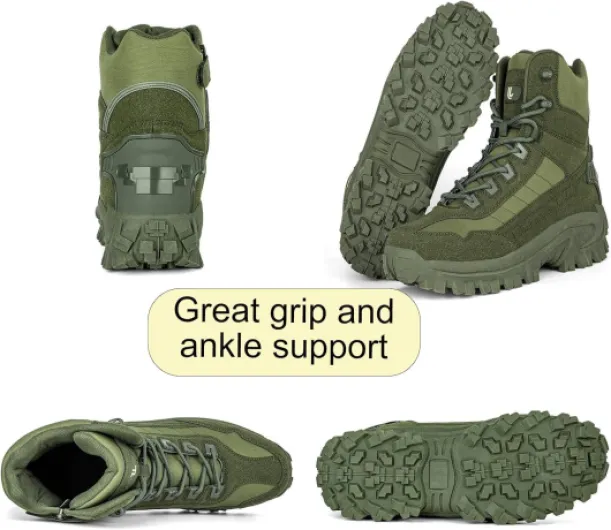
The high-top cut does give some ankle coverage, but it’s not super rigid. If you’re expecting really firm ankle bracing like some heavy-duty safety boots, you won’t get that here. It’s more like a stiff hiking shoe than a full-on support boot. There’s a bit of padding around the collar and tongue, which helps comfort but doesn’t turn it into a brace.
Overall, the design is practical but a bit generic. No real personality, but it works. I liked the side zipper and the fairly low profile for a work boot. On the downside, some small design details (zipper quality, basic eyelets, not much reflective material) remind you that this is built to a price. If you mainly care about looks, they’re fine. If you’re picky about robust design features, you’ll see the shortcuts.
Comfort is okay, but the “orthopedic” label is oversold
Comfort was the main reason I tried these, because the listing keeps shouting “orthopedic support,” “shock absorption,” and “all-day comfort.” After three weeks of use, I’d say: they’re reasonably comfortable, but not truly orthopedic. If you’re used to cheap work boots, you’ll probably find them fine. If you have real foot issues or are used to high-quality support insoles, you’ll be underwhelmed.
Out of the box, they felt a bit stiff around the ankle and across the top of the foot. After two or three days of walking and some bending, they loosened up. The cushioning under the heel is decent; you can feel a bit of bounce, which helps on hard floors. The arch support is very mild, almost flat. On a normal 8–9 hour day on my feet, my arches started to feel tired by the late afternoon when using the stock insoles. Swapping in my own orthopedic insoles fixed that, so the boot shell itself is fine, but the insole is the weak point.
The weight is on the lighter side for a boot that looks like this, which helps comfort. Compared to my steel-toe safety boots, these feel noticeably lighter, especially by the end of the day. Breathability is okay; my feet got a bit warm, but they didn’t end up soaked in sweat. The lining wicks moisture a bit, but if you have sweaty feet, I’d use better socks than the ones included.
After a full day helping on a building site (lots of standing, some carrying, walking on gravel), my feet were tired but not destroyed. The balls of my feet felt it the most, again because of the basic insole. No blisters, no hot spots, which is good. So comfort overall: decent, with the caveat that if you really need orthopedic-level support, plan to add proper insoles. Don’t buy these thinking they’ll replace medical or high-end supportive footwear out of the box.
Synthetic everything with a budget feel
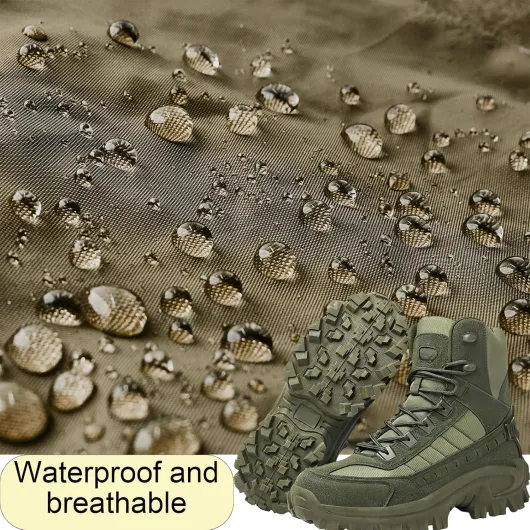
The listing throws out “waterproof suede PU,” “tactical nylon,” and “rubber/EVA anti-slip sole.” In reality, the upper feels like synthetic suede mixed with some textile panels. It’s clearly not real leather. The material is fairly stiff out of the box but loosens a bit after a few days. You can tell it’s budget synthetic when you flex it: it creases in that plasticky way, not like proper leather that softens nicely.
Inside, the lining is synthetic as well, with a thin foam padding around the ankle. The insole is removable but very basic: a flat foam insert with a slight shape, nothing like the structured orthopedic insoles you’d get from a proper support brand. I actually swapped them out for my own insoles on day four because my arches were getting tired. With my own insoles, the boots felt much better, which tells me the “orthopedic” claim is mostly marketing, not material quality.
The sole is rubber on the outside with deep lugs, and there’s some kind of EVA mid-layer for cushioning. It’s reasonably grippy, especially on wet pavement and dirt paths. I did step on a few small nails and screws on site (on purpose, gently) and they didn’t go through, but that’s hardly a proper test. There’s no plate or safety rating mentioned, so I wouldn’t trust it as a certified anti-puncture sole in a serious construction environment.
In short, the materials feel decent for casual use but nothing more. They keep the price down, but you pay for it in long-term confidence. For occasional DIY, walking the dog in bad weather, or light hiking, they’re okay. For daily industrial work with heavy hazards, I’d want better materials, especially a proven puncture-resistant midsole and thicker, more supportive insole.
Holding up so far, but long-term durability is questionable
Durability is always tricky to judge after only a few weeks, but there are some early signs. After about three weeks of mixed use (pavement, light trails, one harsh day on a building site), the soles show some normal wear on the heel edges but nothing worrying. The lugs are still sharp enough to grip. The stitching around the sole and upper is intact, no loose threads yet. So in the very short term, they’re holding up fine.
Where I have doubts is the synthetic upper and the zipper. The upper already shows some creasing across the toe box, and it has that plasticky fold you get with cheaper materials. It’s cosmetic for now, but it tells me this isn’t the kind of boot that will age nicely over years. If you bend the boot sharply, you can feel the material resisting instead of flexing smoothly. If you use them daily in rough conditions, I can see the upper starting to crack or peel earlier than a leather boot would.
The side zipper still works, but it feels like the weak link. It’s not a heavy-duty YKK-style zip, more of a generic one. I’ve been careful when zipping and unzipping, and so far no issues, but I wouldn’t be shocked if this is the first part to fail with heavy use. The lace eyelets and laces themselves are okay, nothing special but no fraying yet.
So my guess: for occasional use, they’ll probably last a decent amount of time. For daily construction work, eight-plus hours a day, in mud, dust, and rough handling, I wouldn’t expect them to last as long as mid-range boots from known workwear brands. They’re fine as a backup pair or for lighter duties, but I wouldn’t rely on them as my only serious work boots for years.
Grip and waterproofing are decent, safety claims are vague
On the performance side, I focused on three things: grip, waterproofing, and how they handle a full day on varied ground. The grip is actually one of the better points. The rubber sole with deep lugs held up well on wet pavement, grass, and muddy paths. I deliberately walked across a wet tiled entrance and a metal manhole cover in the rain. There was some expected slipperiness on the metal, but nothing crazy. On tiles and pavement, they felt secure. So for normal outdoor use, the non-slip claim is mostly accurate.
Waterproofing is decent but not bulletproof. I walked in steady rain for about 40 minutes and through shallow puddles. My feet stayed dry during that. When I stood in a deeper puddle that reached close to the lace area for a while, I started to feel a bit of moisture around the tongue. So I’d call them water-resistant enough for everyday bad weather and light hiking, but I wouldn’t rely on them for hours in heavy rain or deep, wet grass. The membrane and synthetic upper do a decent job, but the tongue/gusset area is the weak point.
Where I’m skeptical is the “anti-puncture” and “anti-sprain” claims. There’s no visible steel or composite plate, no safety standard mentioned (like EN ISO ratings), just the marketing text. I stepped on some loose nails on site, and they didn’t go through, but that doesn’t prove much. Any reasonably thick sole might handle that. I would not treat these as certified safety boots for serious construction or industrial work. As for “anti-sprain,” the ankle support is moderate at best. It’s better than a low-cut trainer, but you can still roll your ankle if you’re careless on rough terrain.
Overall, the performance is okay for casual work and hiking: good grip, acceptable waterproofing, light enough to wear all day. But if you need real safety features with proper certification, these are more like sturdy casual boots than true safety footwear.
What you actually get out of the box
Out of the box, you get the pair of boots and five pairs of socks stuffed in the packaging. The socks are basic: thin, synthetic, nothing fancy, but they’re usable. I wouldn’t buy the boots just for the socks, but it’s a small bonus. The packaging itself is nothing special: a plain cardboard box, no real branding, and a bit of that typical factory smell when you first open it. Nothing worrying, but you can tell this isn’t a premium brand putting money into packaging.
The listing keeps using different names (Luxsines, Dallader, zenfaze, Generic), which is a bit confusing. On the actual boots, there’s no clear big brand logo like you’d see from a proper workwear company. It’s mostly anonymous, which matches the “Generic” tag in the description. Personally, I don’t care much about the logo, but it does matter when it comes to trust in safety claims. When a well-known safety brand says “anti-puncture,” I tend to believe it more than when a random generic listing says the same thing without any standards mentioned.
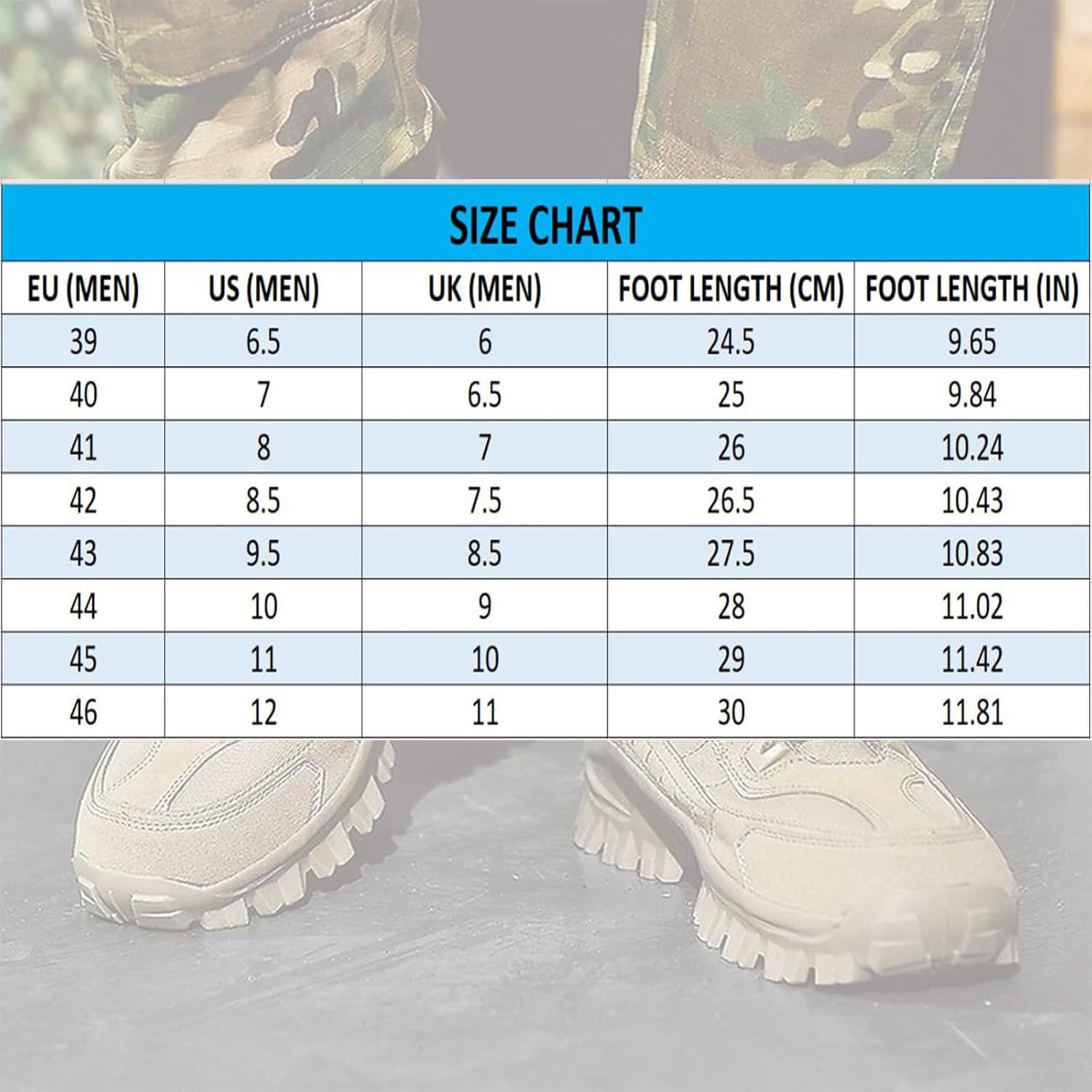
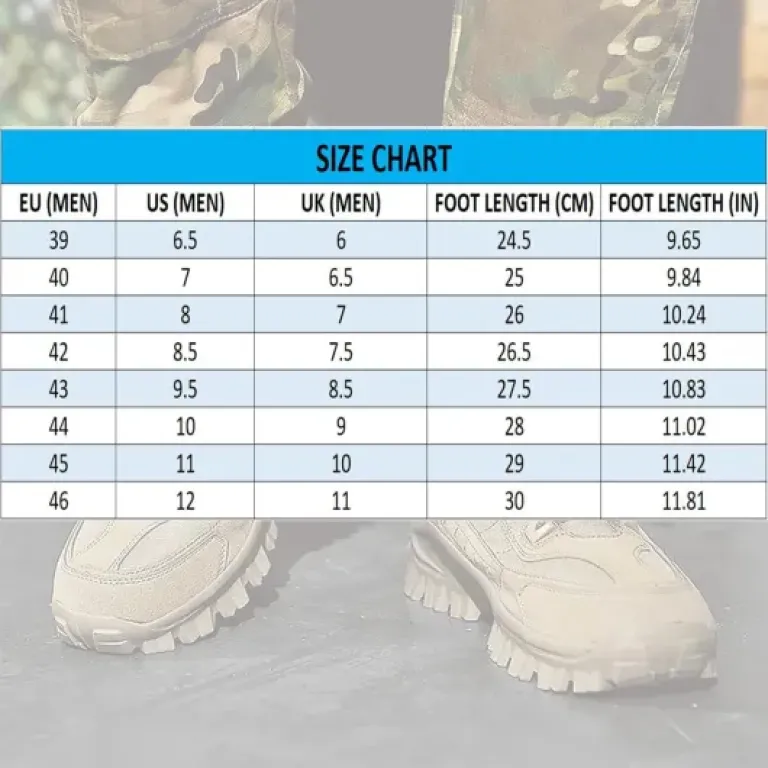
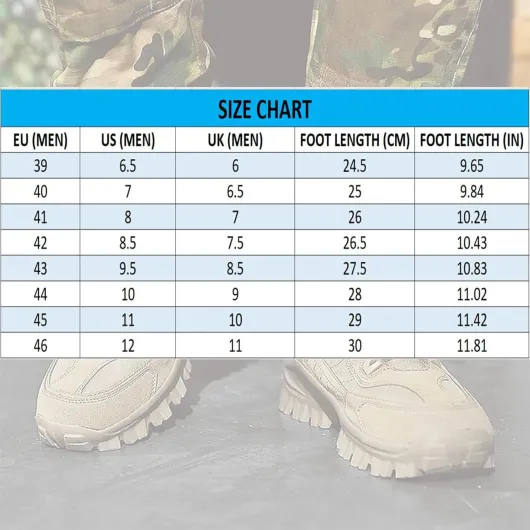
Size-wise, my usual UK 9 fit me, but it’s on the slightly roomy side. With thicker socks, it felt about right. If you’re between sizes, I’d probably lean towards the smaller one. The included socks helped fill the space, but they’re not cushioned or anything, just regular cheap socks. There was no user manual or care guide, just some tags in Chinese/English with basic info.
In short, the presentation is very no-frills: you get boots, socks, a cardboard box, and that’s it. No clear certification labels, no safety standard logos, nothing that screams “professional work boot.” If you’re okay with that and just want functional footwear, fine. If you need something for serious industrial work with clear standards, this is not reassuring.
Pros
- Decent grip and acceptable waterproofing for everyday rain and light hiking
- Fairly light and reasonably comfortable once broken in, especially with better insoles
- Low price with side zipper convenience and extra socks included
Cons
- “Orthopedic” and “anti-puncture” claims are not backed by clear safety standards
- Synthetic materials and zipper feel budget, long-term durability is doubtful for heavy use
- Basic insole with weak arch support; not ideal for people with real foot issues
Conclusion
Editor's rating
After a few weeks with the Luxsines/Dallader boots, my take is simple: they’re decent budget boots for light work and casual hiking, but they don’t live up to the big claims in the listing. Comfort is okay once broken in, especially if you swap in better insoles. Grip is good, waterproofing is acceptable for normal rain and puddles, and the boots are lighter than a lot of safety models, which makes them easier to wear all day.
On the other hand, the “orthopedic,” “anti-puncture,” and “anti-sprain” promises are clearly oversold. The insole is basic, there’s no visible safety plate or standard mentioned, and ankle support is only moderate. The materials and zipper feel budget, and while they’re holding up so far, I wouldn’t trust them for years of hard daily work on a construction site. They’re more like sturdy casual boots than true safety footwear.
If you’re a DIYer, someone who occasionally visits worksites, or you just want a cheap pair of waterproof-ish boots for bad weather walks, these can be a reasonable choice for the price. If you have real foot problems, need serious support, or work full-time in hazardous environments, I’d skip these and invest in a known brand with proper certifications and better insoles. They get the job done for light use, but they’re not a miracle boot.