
Summary
Editor's rating
Value for money: worth it if you hike regularly
Design: halfway between trail shoe and classic boot
Comfort and fit: light on the foot, a bit narrow
Materials and build: good, but not bulletproof
Durability: good for regular use, not a lifelong boot
Trail performance: grip, stability and waterproofing in real life
What you actually get with these Salomon Quest Element GTX
Pros
- Comfortable and supportive with short break-in time
- Reliable Gore-Tex waterproofing for wet conditions
- Light for a high-cut leather boot, good for long days and backpacking
Cons
- Narrow fit; not ideal for wide feet
- Sole tread and toe flex area may wear or split after a couple of seasons of heavy use

Specifications
View full product page →| Brand | Salomon |
Serious boots without going full mountaineer
I’ve been using the Salomon Quest Element Gore-Tex boots (size 10 UK, the black / green colour) for a mix of weekend hikes, muddy dog walks, and a couple of 20+ km days in the hills. I’m not climbing Everest, but I do a fair bit of rough trail and wet ground. I wanted something more supportive than trail runners, but not a heavy army boot. These sit pretty much in that middle ground.
First impression when I pulled them out of the box: they look like proper hiking boots, but they’re lighter than they look. The high cut is obvious, and the leather feels decent out of the box, not stiff like old-school mountain boots. I wore them around the house for a day, then jumped straight into a 10 km walk. No major hot spots or blisters, which is a good start for any boot.
In use, they feel like a mix between a backpacking boot and a chunky trail shoe. The ADV-C chassis thing Salomon talks about basically means you get good lateral support without feeling like you’re in ski boots. On rocky paths and uneven tracks, my ankles felt secure, but I could still move naturally. Compared to some full leather boots I’ve had, these are much easier to live with on longer days.
They’re not perfect though. The fit is on the narrow side, the outsole grip is good but not the toughest in terms of lifespan, and there are a few reports (and some signs on mine) that the front can split after a couple of years of hard use. So, they’re pretty solid all-rounders, but not indestructible. If you’re expecting them to last 10 years of daily abuse, that’s probably not happening.
Value for money: worth it if you hike regularly
Price-wise, these sit in the mid-range for branded hiking boots. You’re paying for the Salomon name, the Gore-Tex membrane, and the mix of leather and fabric. They’re not bargain-bin cheap, but they’re not in the ultra-premium category either. For that money, I expect good comfort, reliable waterproofing, and at least a couple of solid seasons of use – and on those fronts, they deliver reasonably well.
Looking at the user reviews (4.2/5 average with close to 2,000 ratings), most people seem happy with what they got for the price. A lot of repeat buyers: some are on their second or even third pair, which says a lot. People mention wearing them on the West Highland Way, Three Peaks, Pentland Hills, and other serious walks, and still calling them good value despite knowing the soles won’t last forever. That’s kind of the trade-off: you get lighter, more comfortable boots that may need replacing a bit sooner.
If you only hike a few times a year on easy paths, these might be overkill – you could save money with simpler boots or sturdy walking shoes. But if you’re out most weekends, do multi-day treks, or just like having a boot you can trust in bad weather, the price starts to make sense. Compared to cheaper brands, you get better fit, better grip, and more consistent waterproofing. Compared to more expensive leather tanks, you save weight and break-in pain, but you give up some lifespan.
So, in terms of value: pretty solid for regular hikers, decent for occasional users who want something reliable, and maybe not ideal if your main priority is maximum years of use per euro. They sit nicely in that space where you feel you’re paying for function, not just a logo, as long as you actually put them to work.
Design: halfway between trail shoe and classic boot
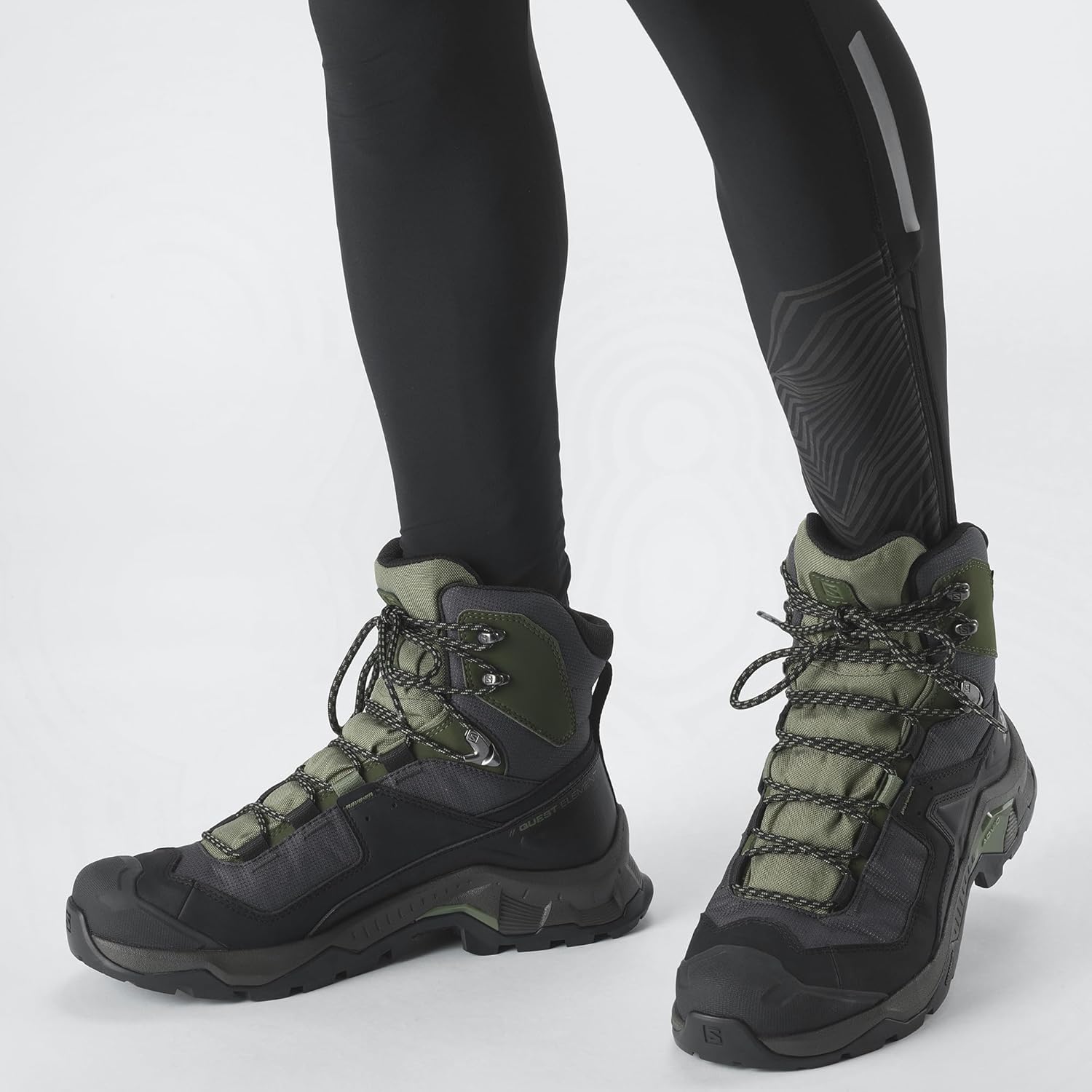
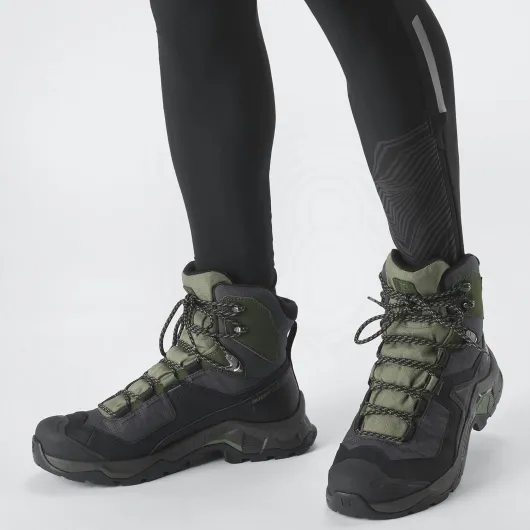
Design-wise, these boots are pretty straightforward: high-top, closed toe, solid pattern, and a dark colour scheme (Black / Deep Lichen Green / Olive Night). So if you want something that doesn’t scream neon outdoor gear, you’re fine. You can wear them in town without feeling like you’re on an expedition, which I actually like. They look like serious boots, but not cartoonish.
The high cut gives decent ankle coverage, and the way Salomon shaped the collar works well for me. It curves down slightly at the back so it doesn’t dig into your Achilles when you’re walking uphill. The lacing system uses standard eyelets at the bottom and metal hooks at the top, and they pull the boot evenly around the foot. No weird pressure points over the instep, which I’ve had on other boots. The toe box is a bit pointy if you have wide feet, though – more on that in the comfort part.
On the sole, the lug pattern is quite aggressive but not crazy deep. It’s clearly made for mixed terrain: dirt, mud, rocky paths, and wet grass. You’ve got a pronounced heel block, which helps when descending loose gravel. The midsole has enough thickness to give some cushioning but it’s not a marshmallow trail runner. You still feel some of the ground, but not in a painful way. It’s a good balance if you like feedback but want protection.
In day-to-day use, the design feels practical: easy to lace up, easy to clean (dried mud brushes off the leather and fabric pretty well), and the colour hides dirt nicely. Nothing fancy, no weird design gimmicks, just a functional, modern hiking boot layout. If you like minimalist-looking boots, you’ll probably be okay with these. If you want loud colours or super urban style, this isn’t it.
Comfort and fit: light on the foot, a bit narrow
On comfort, these are pretty solid once you get the sizing right, but they do run on the narrow side. I’ve got average-width feet, and in my usual size 10 UK they felt snug out of the box, especially around the midfoot. Not painful, just tight. After a couple of days wearing them around the house and a few short walks, the leather and padding relaxed and they started to feel more natural. If you have wide feet, I’d seriously consider going up half a size or trying them on in a shop first.
The high cut and ADV-C chassis give good ankle support without feeling like a ski boot. I have slightly dodgy ankles from old sports injuries, and on rocky paths I noticed they kept me more stable than low trail shoes. One user mentioned having a protruding ankle bone and actually liking the tighter feel for support – I get that. The collar padding is thick enough that, once laced right, you don’t get rubbing or pressure on the ankle bone. I did a 20+ km day and didn’t end up with sore ankles, which is a good sign.
Underfoot, the cushioning is decent but not super plush. You’ve got a foam midsole and a basic insole. For normal use it’s fine; for longer backpacking trips with a heavy pack, I’d recommend swapping to a better insole if you’re picky about support. Compared to traditional leather boots, these feel lighter and more forgiving. Compared to trail runners, they’re obviously firmer and less bouncy, but that’s the trade-off for protection and support.
Heat and moisture-wise, they’re okay for a Gore-Tex boot. I used them in spring and early summer; my feet got warm on steeper climbs, but not like they were boiling. The fabric lining helps a bit, but they’re still waterproof boots – so not as breezy as mesh shoes. Break-in time was short: two days of casual wear and they were good to go. No blisters for me, just a bit of initial tightness that faded. Overall, comfort is good, as long as your feet aren’t very wide and you accept the typical warmth of waterproof boots.
Materials and build: good, but not bulletproof
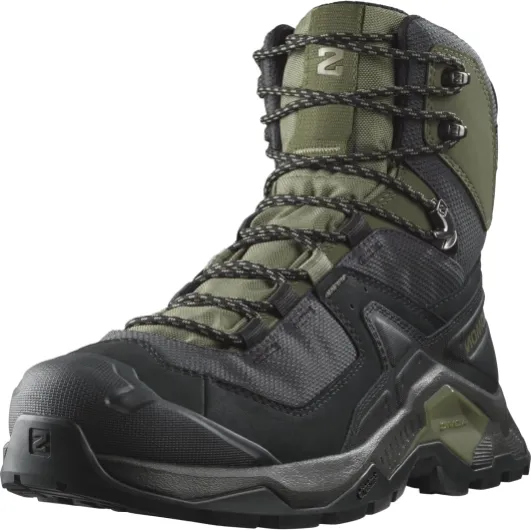
The upper is mostly nubuck leather with some fabric panels, and inside you’ve got a fabric lining plus the Gore-Tex membrane. The sole is rubber, with a foam midsole and a basic foam insole. On paper, that’s a standard combo for a mid-range hiking boot. In hand, the leather feels thick enough to take some abuse but not so stiff that it needs months of breaking in. The fabric zones help with flexibility and breathability, but they’re also the parts that usually age first if you’re rough on your gear.
The rubber sole has decent hardness: not as soft as some pure trail runners, but not as hard as old traditional mountaineering boots. That’s probably why people say the grip is good while the tread life is average. Soft enough to bite on rock and wet grass, but that also means it wears faster if you do a lot of road or hardpack. One Amazon reviewer mentioned expecting 200–300 miles before the tread feels tired, which matches what I’d guess from Salomon soles I’ve used in the past.
Where I see the limits is around the front flex point. Several users reported splitting at the front after a couple of years of heavy use, and I can see why: that’s where the leather, rubber, and fabric all meet and bend every step. On my pair, after a few months, there’s visible creasing but nothing dramatic yet. I wouldn’t call them fragile, but they’re not heavy-duty mountaineering boots either. If you hammer them daily in rough terrain, don’t expect them to look fresh after two winters.
Overall, the materials feel in line with the price: good quality leather, decent rubber, proper Gore-Tex, but with the usual trade-offs of a lighter boot. You get comfort and lower weight, but you sacrifice some lifespan compared to full-grain leather tanks. For weekend hikers and backpackers who look after their gear (cleaning, drying properly, maybe reproofing the leather now and then), that’s acceptable. If you want something you can totally abuse for years, this might fall a bit short.
Durability: good for regular use, not a lifelong boot
Durability is where these boots are good but not bombproof. One long-term reviewer said they wore their first pair every day for walks over two years before the front started to split and the heels wore down. That’s actually not bad for daily use, especially considering they then went out and bought a second pair. So clearly they were happy enough with the lifespan to stick with the model.
On the flip side, there’s also a 1-star review saying the boots ripped after just 2–3 wears. That’s obviously bad, but I’d treat that as a possible manufacturing defect or unlucky pair rather than the norm, because it doesn’t match most other feedback. Still, it’s worth mentioning: quality control isn’t perfect anywhere, so check your pair carefully when they arrive – especially stitching around the flex points and the bond between sole and upper at the toe.
From what I’ve seen on my own pair and from others’ comments, the main wear points are:
- Front flex area near the toe – creasing and potential splitting over time
- Heel tread – wears down with lots of hard-surface walking
- Fabric panels – can show scuffs and abrasion earlier than leather
With basic care – cleaning off mud, letting them dry naturally (not on a radiator), maybe using a leather conditioner or waterproofing spray now and then – you can stretch their life. The Gore-Tex membrane tends to outlast the cosmetic look of the boot; even when they look tired, they often still keep water out. So, durability is acceptable for the weight and comfort, but not outstanding. You’re trading some lifespan for lighter feel and better out-of-the-box comfort.
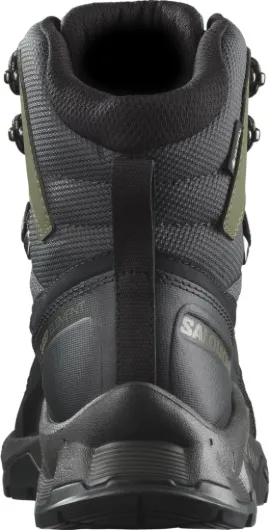
Trail performance: grip, stability and waterproofing in real life
Out on the trail, the boots do what they’re supposed to do: keep your feet dry, supported, and reasonably sure-footed. The Gore-Tex membrane has held up fine so far – I’ve walked through wet grass, shallow puddles, and a few muddy sections, and came out with dry socks. Several Amazon reviews also mention no waterproofing issues, even after daily use for a couple of years. As usual, you still need to look after the leather and seams, but out of the box, waterproofing is solid.
Grip-wise, the rubber sole performs well on dry rock, dirt trails, and wet grass. One reviewer explicitly said they found no problem on wet rocks, and I’d agree: I’ve used them on damp rocky paths and they felt secure. Of course, on smooth, slimy rock, nothing grips perfectly, but these are better than some cheaper hiking boots I’ve tried. The lugs shed mud reasonably well – they clog in thick clay (everything does), but clear once you get back on rougher ground.
Stability is where these boots stand out compared to light trail shoes. The ADV-C chassis and high cut give you a firm base, especially when carrying a backpack. Side-hilling on uneven terrain feels controlled; the boot doesn’t roll as easily, and your ankle is held in place. If you’re used to ultra-flexible runners, you’ll feel the difference, but it’s reassuring when you’re on sketchy ground or tired at the end of the day. They’re not stiff mountaineering boots, but for normal hiking and light backpacking, the support is more than enough.
On the downside, the sole durability isn’t top-tier. Multiple users commented that Salomon soles grip well but wear faster than some rivals. If you mostly hike on rocky, abrasive ground or do a lot of road walking to get to trails, expect the tread to flatten earlier than you might like. For mixed use with a few hikes a month, they’re fine. For daily heavy use, you might go through them in a couple of seasons. Still, performance per kilometre is good; just don’t expect them to be immortal.
What you actually get with these Salomon Quest Element GTX
On paper, these are marketed as men’s trekking / hiking boots with a Gore-Tex membrane, high cut, leather upper, and rubber sole. They’re made in Vietnam, weigh around 319 g per boot according to the listing (feels a bit optimistic, but they’re definitely light for a high-top), and use nubuck leather with fabric lining. The model name is Quest Element Gore-Tex, which is basically a lighter spin-off from Salomon’s more serious Quest series.
In hand, the boot feels well put together. The upper combines nubuck leather panels with fabric zones to keep the weight down and help them flex. The sole has a fairly aggressive hiking tread, with a noticeable heel brake for descents. The lacing goes high up the ankle, and the hooks at the top feel sturdy, not flimsy. There’s a proper rubber toe cap that gives you a bit of protection when you kick rocks, which I do more often than I’d like to admit.
One detail I noticed: the tongue is well padded and gusseted quite high, which helps with both comfort and keeping water out. The collar padding is also decent, especially if you cinch them tight. Inside, the insole is basic foam – nothing fancy, but not terrible either. I swapped mine for aftermarket insoles after a few outings because I like more arch support, but you could easily run them stock if your feet are average.
Overall, the presentation matches the idea: a modern hiking boot that leans slightly towards backpacking. Not super bulky, not super minimalist. If you’ve used Salomon hiking shoes before, this feels like the high-top version of what you already know: light, reasonably cushioned, and ready to go after a short break-in, rather than weeks of suffering.
Pros
- Comfortable and supportive with short break-in time
- Reliable Gore-Tex waterproofing for wet conditions
- Light for a high-cut leather boot, good for long days and backpacking
Cons
- Narrow fit; not ideal for wide feet
- Sole tread and toe flex area may wear or split after a couple of seasons of heavy use
Conclusion
Editor's rating
Overall, the Salomon Quest Element Gore-Tex boots are solid, comfortable hiking boots for people who actually get out on the trail. They’re light for a high-top, supportive enough for rough terrain and backpacking, and the Gore-Tex waterproofing does its job. Grip is good on most surfaces, and the high cut plus Salomon’s chassis give you a secure, confident feel on uneven ground. If you’re moving up from basic walking shoes or cheap boots, you’ll feel the difference straight away.
They’re not perfect: the fit is on the narrow side, the soles don’t last forever, and there are some reports of the front splitting after a couple of years of heavy use. So if you have wide feet, want maximum durability, or mostly walk on tarmac and hard surfaces, you might be better off with a wider, heavier, more traditional boot. But if your priority is comfort, support, and decent weight for regular hiking and backpacking, they hit a good balance.
I’d recommend these to hikers who are out most weekends, people planning long-distance trails like the West Highland Way, or anyone who wants one do-it-all boot for wet, mixed terrain. I’d skip them if your hikes are rare and easy (cheaper boots will do), or if you’re extremely hard on gear and expect it to last for many years of daily abuse. For most normal outdoor use, though, they’re a good, no-nonsense option that gets the job done without fuss.