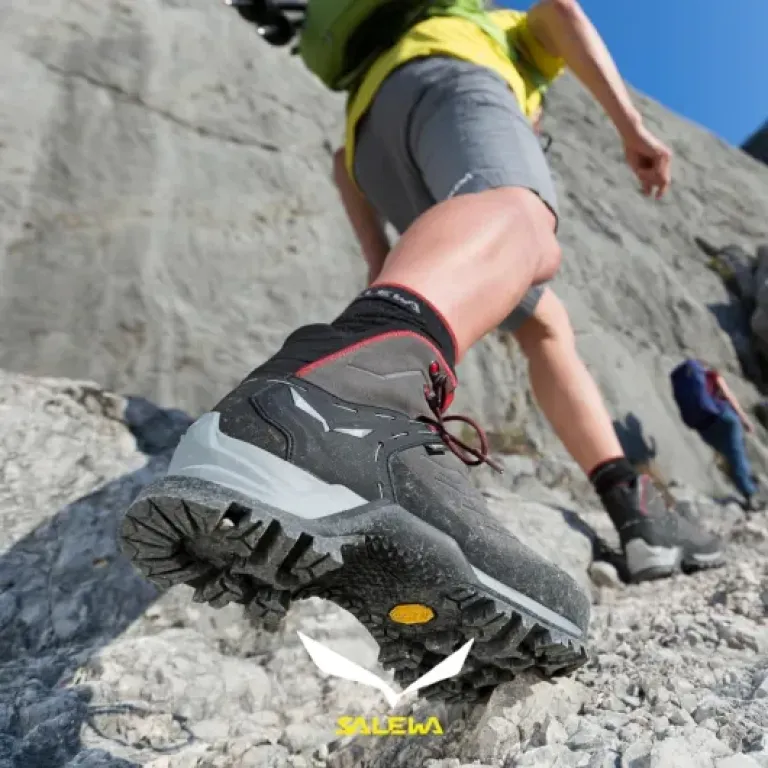

Summary
Editor's rating
Value: fair price if you actually use them properly
Stiff, technical design with a focus on support
Comfort: great once broken in, but not a soft slipper
Suede, big rubber rand, and Gore‑Tex: built to take a beating
Built to last, with proper long-distance potential
Performance on the trail: strong support, solid grip, some limits on wet rock
What you actually get out of the box
Pros
- Very secure fit with strong heel hold and good ankle support
- Durable materials: suede + 360° rubber rand + Vibram sole built for rough use
- Waterproof and weatherproof enough for wet, cold conditions and long hikes
Cons
- Stiff and a bit heavy, not ideal for casual or short, easy walks
- Grip on wet, smooth rock is only average and requires extra care

Specifications
View full product page →| Brand | Salewa |
Serious boots for people who actually hike
I’ve been using the Salewa Mountain Trainer Mid Gore-Tex (men’s, 9 UK, Dark Denim Black) for a while now, mostly for UK-style mixed terrain: muddy woodland, rocky paths, wet grass, and a couple of long days in the hills. I bought them because my old Meindl boots were dying and prices have gone a bit mad, so I wanted something solid but not full-on mountaineering boots. These kept popping up with good reviews, so I gave them a go.
First thing: these are not casual boots. Out of the box they feel stiff, a bit heavy, and clearly built for proper walking, not for going to the pub. The ankle support, the Vibram sole, the big rubber rand around the boot – everything screams "I want rocks and long days", not "I want city pavements". If you’re after soft, trainer-style hiking shoes, this is not it.
I walked them straight into 2–3 hour hikes from day one, then pushed them to longer days. The whole “blister-free from the first step” claim sounded like marketing, but for me it was actually true – no hotspots, no heel lift, even on longer walks. However, you do feel that stiff sole underfoot; if you’re used to flexible trail shoes, you’ll need a bit of time to adapt.
Overall, my first impression was: very solid, very supportive, not exactly fun on day one, but they mean business. After a few outings, I started to appreciate them more, especially on rough terrain and steep descents with a pack. They’re not perfect, and I wouldn’t recommend them to everyone, but for certain uses they’re pretty convincing.
Value: fair price if you actually use them properly
Price-wise, the Salewa Mountain Trainer Mid GTX sits in that mid-to-high range for hiking boots, below some premium models like top-end Meindl or Scarpa, but above basic Decathlon or entry-level brands. For what you get – suede upper, full rubber rand, Gore‑Tex lining, Vibram sole, and a solid build – I think the price is reasonable, as long as you really plan to use them on proper hikes and not just occasional walks around the park.
Compared to my old Meindl boots, the Salewas feel slightly lighter and more technical, with better heel hold and more precise lacing. On the other hand, they’re a bit stiffer underfoot and not as instantly comfortable on flat ground. If you mostly do long, rough hikes, I’d say the value is good because they give you support and durability that cheaper boots often lack. If you’re more of a casual walker, you’re paying for features you won’t fully use.
Where the value really shows is in longevity and performance together. If these last you several seasons of regular hiking, then the cost per year starts to make sense. The fact that multiple users have bought a second pair after heavy use is usually a good sign. I wouldn’t call them a bargain, but they don’t feel overpriced for what they are.
So, in my opinion: if you’re an active hiker doing mixed and sometimes technical terrain, the price is justified and the boots are pretty solid value for money. If you just want something comfy for dog walks on flat paths, you can save money and get something lighter and softer instead.
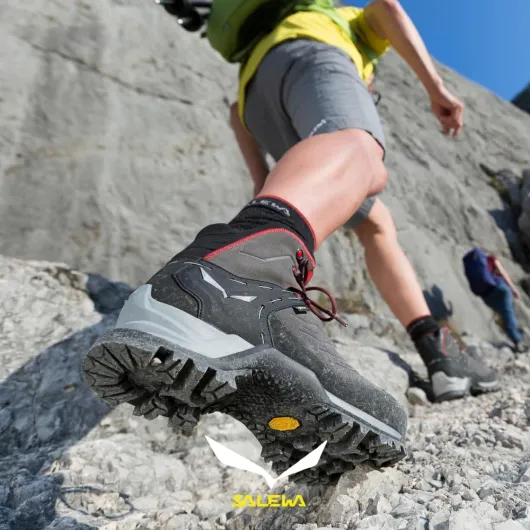
Stiff, technical design with a focus on support
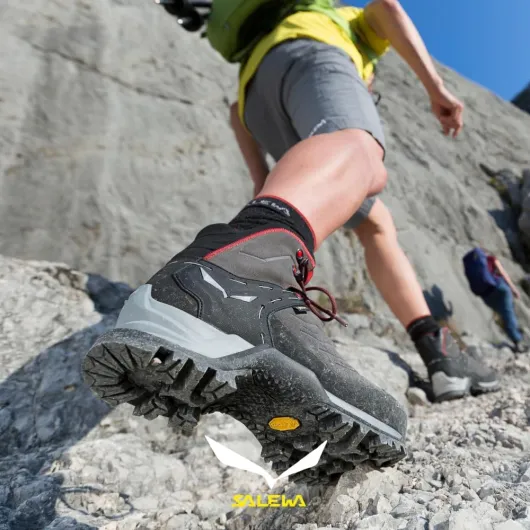
The design is clearly aimed at people who do real hiking and maybe a bit of scrambling, not casual walkers. The boot has a mid-cut ankle with a Flex Collar, which is basically a curved, softer area at the back of the ankle that lets your foot flex more on descents. In practice, on steep downhill sections with a pack, I did notice my ankle could move more naturally without feeling like the top of the boot was digging into my Achilles. Compared to older, more rigid leather boots I’ve used, this is a nice upgrade.
The lacing goes down close to the toes, almost like an approach shoe, and that’s actually useful. It means you can tighten the forefoot when you want more precision, like on rocky steps or scrambling, and loosen it for more comfort on long, flat trails. The metal eyelets and hooks feel solid, but the lacing system can be a bit fiddly: the lace sometimes catches in the wrong hook when you pull it tight. After a few uses I got used to it, but the first couple of times it annoyed me.
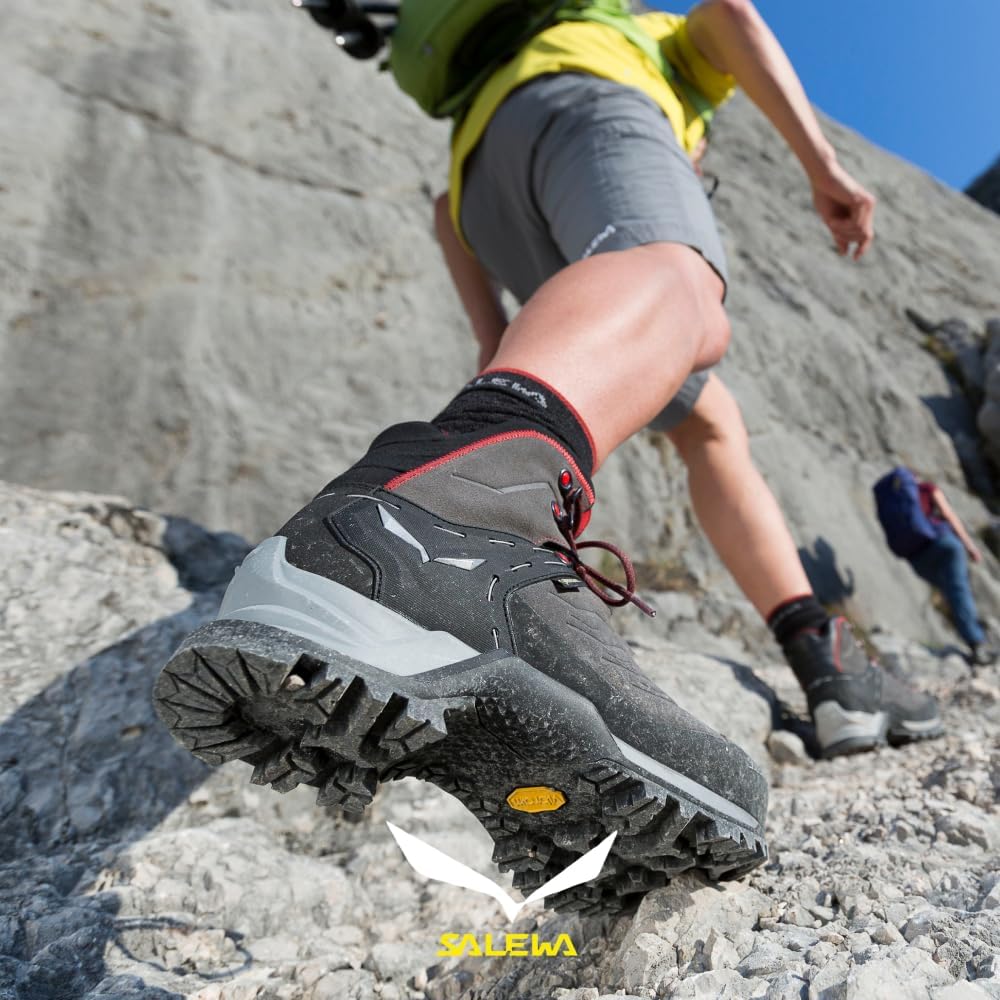
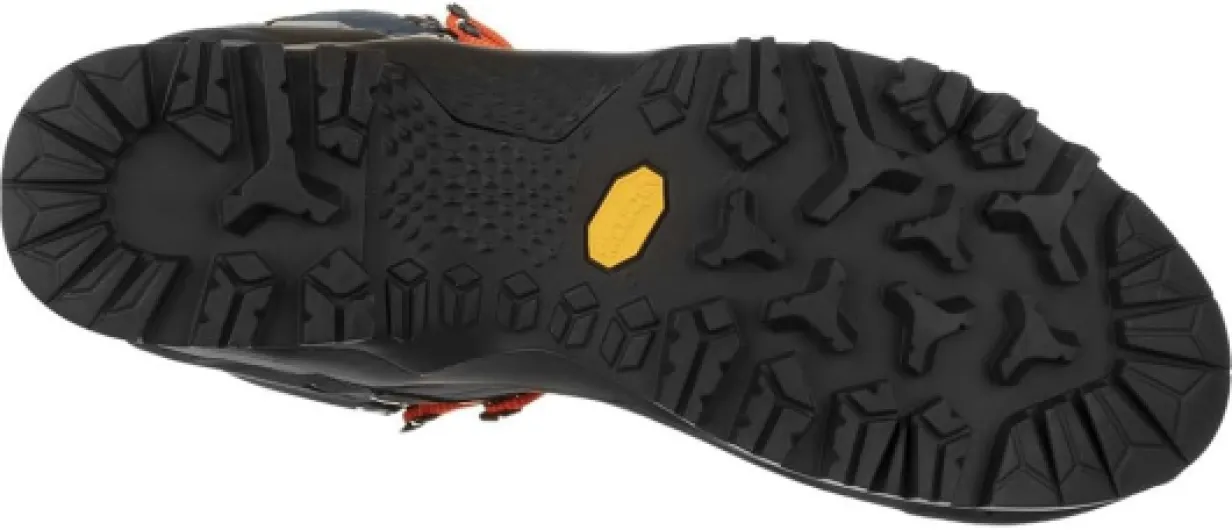
The sole is typical Vibram WTC: aggressive lugs, decent heel brake, and a noticeable drop. It feels quite stiff torsionally, which is good when you’re standing on small rock edges or crossing uneven rocky paths. On the downside, on flat, hard surfaces like pavements or compacted cycle paths, you can feel like you’re walking on boards. It’s not painful, but it’s not cushy either; these are built to protect you from rocks, not to feel like running shoes.
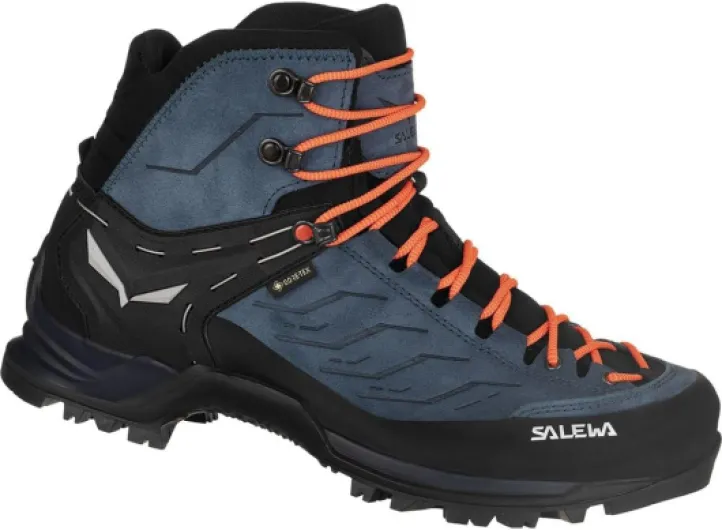
Styling-wise, it’s pretty neutral: mostly dark colours with some technical touches. No neon overload, no glossy bits, just a boot that looks like it has a job to do. I like that. If you want something that looks like a trainer, look elsewhere. If you want a boot that visually says “I’m going for a proper hike”, this fits the bill.
Comfort: great once broken in, but not a soft slipper
Out of the box, the comfort is decent but clearly on the stiff and supportive side. When I first put them on, I noticed three things: snug fit, firm sole, and very secure heel hold. I did a 2-hour mixed-terrain walk straight away (fields, small hills, some muddy tracks) and expected at least some rubbing. To my surprise, no blisters, no hotspots. The padded tongue and good lacing really help distribute pressure. So the “blister-free from the first step” thing actually lined up with my experience.
That said, if you’re used to soft, flexible hiking trainers, these will feel quite hard at first. The midsole doesn’t flex much under the ball of your foot, and after a long day, the soles of my feet felt a bit bruised or tender the first couple of outings. This got better after a few hikes as the boot settled and I got used to it, but they never feel like running shoes. They feel like what they are: trekking boots designed to support you with a backpack on uneven ground.
The ankle support is very good. The mid-cut height plus the Flex Collar means you get a locked-in feeling sideways, but you still can move your ankle forwards and backwards on steep ups and downs. I’ve had boots that bit into my Achilles on descents; these don’t. Also, the heel lock is excellent – I didn’t get that annoying heel lift on steep climbs, which is usually what causes blisters for me.
In terms of fit, for my average-to-slightly-wide feet, going true to size in UK 9 was just about right with mid-weight socks. If you like thick winter socks or you’re between sizes, I’d go half a size up. Toe room is reasonable, not super roomy but not cramped. I had no black toenails even on long downhills. Overall, comfort is strong once you accept they’re stiff boots: great for serious walking, less fun if you just want something soft for short strolls.
Suede, big rubber rand, and Gore‑Tex: built to take a beating
The upper is mainly 1.6 mm suede with abrasion-resistant textile panels and a 360° rubber rand wrapping the boot. In real life, that means you can kick rocks, scrape against rough paths, and not worry too much. I’ve dragged these through muddy fields, loose scree, and some nasty rocky steps, and so far the suede hasn’t torn and the rubber rand hasn’t started peeling. It does get scuffed and dusty, but that’s normal for this kind of boot.
Inside, there’s a Gore‑Tex Performance Comfort lining. In practice, my feet stayed dry walking through wet grass, shallow streams, and all-day drizzle. I haven’t had water seep in yet, even after standing in wet mud for a while. Breathability is decent for a waterproof boot, but let’s be honest: any Gore‑Tex boot with a full rubber rand and suede is going to run warm in summer. On cooler days and wet conditions, they’re spot on. On hot days, my feet felt a bit warm but not soaked in sweat, so for me it’s acceptable.
The outsole is synthetic rubber (Vibram) and the midsole is a 2-layer Bilight EVA/foam construction. The midsole is designed to give cushioning but still stay stiff enough for technical terrain. I’d say they lean more towards stiff than cushioned: you don’t feel every stone, which is good, but you also don’t get that bouncy, running-shoe feel. The insole is basic EVA/foam; it works, but if you’re picky about arch support or you do very long days, dropping in a better aftermarket insole could be a good move.
Overall, the materials feel overbuilt rather than minimal. If you want the lightest boot possible, this won’t thrill you. But if you want something that can handle hundreds of miles of rocky terrain and bad weather, the suede + rubber + Gore‑Tex combo makes sense and feels trustworthy so far.
Built to last, with proper long-distance potential
Durability is one of the main reasons to buy this type of boot, and so far the Salewa Mountain Trainer Mid GTX looks built for the long haul. The 360° rubber rand protects the suede from rock cuts, and after repeated scrapes against stones and rough paths, I’ve got cosmetic scuffs but nothing serious. No peeling, no separation between sole and upper, which is something cheaper boots often start doing after a season.
The suede itself is holding up nicely. I’ve cleaned them a few times and reproofed the suede lightly, and it responds well – doesn’t go floppy, doesn’t crack. The stitching around the toe and sides still looks tight, no loose threads. The metal lace hooks and eyelets haven’t bent or rusted, even after wet and muddy use. The laces are still in good condition; I haven’t managed to fray them yet, which is usually what happens first for me.
The outsole wear is reasonable. After regular use on mixed terrain (paths, rocky trails, some tarmac to and from the trail), the lugs are slightly rounded but far from worn out. This isn’t a soft, fast-wearing rubber like some trail runners; it’s clearly designed to last. I’d expect hundreds of miles out of these before the sole becomes an issue, assuming normal use and no constant road walking.
From what I’ve seen and from other users’ feedback, these boots seem to age well if you look after them a bit: clean off the mud, let them dry naturally, and occasionally reproof the suede. They’re not indestructible, but for the price and category, durability is one of their strong points. If you want something that can do multiple seasons of proper hiking, they’re a good bet.
Performance on the trail: strong support, solid grip, some limits on wet rock
On actual trails, these boots feel very secure. On steep muddy hills and loose gravel, the Vibram WTC sole grips well and the defined heel brake helps when you’re going downhill. The stiff sole shines on rocky paths: you can edge on small rocks, stand on awkward lumps, and your foot doesn’t fold or twist. When I had a heavier backpack, I really felt the benefit – my ankles felt supported and my feet weren’t getting battered by every stone underfoot.
Where they’re a bit weaker is wet rock and smooth, greasy surfaces. They’re not terrible, but I did notice some slipping on wet coastal rocks and polished stones, similar to what one of the Amazon reviewers mentioned. It’s not like walking on ice, but you have to pay attention and place your feet properly. On wet grass, mud, and normal paths, grip is fine. On pavements, they’re okay but feel quite stiff and a bit clunky – they’re clearly happier off-road.
Waterproofing performance is solid. I’ve walked in heavy rain, through wet fields, and shallow streams, and my feet stayed dry. The Gore‑Tex lining plus the high rand does its job. They’re also reasonably warm: for winter dog walks and cold, wet days, they’re spot on with a good sock. In summer, especially above 20°C, they can feel a bit warm, but that’s true for most waterproof boots of this type.
If I had to sum it up: these boots perform best if you do a mix of mountain hiking, rocky terrain, and long days with a pack. For that use, they’re pretty solid. If your main activity is flat canal paths or two-hour Sunday walks on easy trails, they’re overkill and might just feel heavy and stiff for no real benefit.
What you actually get out of the box
Out of the box, the Salewa Mountain Trainer Mid GTX feels like a proper trekking boot, not a fashion item. In my size (9 UK), each boot is around that 700–800 g mark, so you feel the weight in your hand, but on foot it’s not as bad as it looks. The pair I have is Dark Denim Black, which basically means dark navy with black and a bit of contrast detail. It looks technical without being too loud, so you can wear it in town without looking like you’re about to climb K2, but clearly it’s built for the hills.
Salewa packs them pretty simply: standard box, paper, no fancy extras. Inside, you get the boots with decent quality laces, pre-laced in their 3F lacing system which runs far down towards the toe, a bit like approach shoes. This lets you fine-tune the fit around the forefoot and midfoot. There’s no spare laces or extra insoles, just the boots. Honestly, that’s fine by me – I’d rather the money go into materials than packaging.
On first try, the boot feels narrow-medium in width, not super wide. I have slightly wider than average feet and they were snug but not painful. I’d say if you’re between sizes, go half a size up, especially if you use thick socks. Heel hold is strong right away – you can feel that 3F system locking your heel in when you tighten the laces. The tongue is quite padded and the ankle collar is high enough to feel secure but not like a ski boot.
In short, the presentation is simple and practical: no nonsense, no fancy unboxing. You open the box, you get a pair of serious-looking suede-and-rubber boots with Gore-Tex lining and Vibram soles. That’s pretty much what you’re paying for, and that’s exactly what you get.
Pros
- Very secure fit with strong heel hold and good ankle support
- Durable materials: suede + 360° rubber rand + Vibram sole built for rough use
- Waterproof and weatherproof enough for wet, cold conditions and long hikes
Cons
- Stiff and a bit heavy, not ideal for casual or short, easy walks
- Grip on wet, smooth rock is only average and requires extra care
Conclusion
Editor's rating
The Salewa Mountain Trainer Mid GTX is a stiff, supportive, and durable hiking boot aimed at people who actually spend time on rough terrain. It’s not a soft, casual boot, and it doesn’t try to be. The main strengths are the secure fit with excellent heel hold, the protective upper with full rubber rand, solid waterproofing from the Gore‑Tex lining, and a Vibram sole that handles mud, loose ground, and rocky paths very well. Comfort is good once you accept the stiffness and give them a bit of time, and the Flex Collar really helps on long descents with a pack.
On the downside, they feel a bit heavy and rigid if you’re used to trainer-style shoes, and the sole can feel harsh underfoot on very long days until you get used to it or add better insoles. Grip on wet rock is okay but not brilliant, so you still need to be careful there. They also run warm in hot weather, like most fully waterproof boots. Overall, I’d recommend these to hikers who do regular trips in the mountains, mixed rocky terrain, and long days with a rucksack. If your use is mostly easy trails, parks, or short Sunday strolls, they’re overkill and you’d be better off with something lighter and more flexible.