
Summary
Editor's rating
Value: not cheap, but makes sense if you live in wet boots
Design: old-school look, practical choices
Comfort: no real break-in pain, but warm and a bit stiff at first
Materials: proper leather, solid sole, a few weak spots inside
Durability: tough outside, some question marks inside
Performance: waterproofing and grip where it counts
What you actually get with the Hillmaster II GTX
Pros
- Very good waterproofing in long wet grass, mud, and general bad weather
- Comfortable relatively quickly for a leather boot, with decent cushioning
- Strong grip from the Vibram sole, especially on wet and muddy ground
Cons
- Inner lining may wear faster under heavy daily use
- Warm and not very breathable, less suited to hot summer hikes
- Laces tend to work loose unless you double knot or replace them

Specifications
View full product page →| Brand | Berghaus |
Serious leather boots for real mud and real weather
I’ve been using the Berghaus Hillmaster II GTX in Coffee Brown (size 7.5 UK) mainly for dog walks in wet fields and a few proper hikes at the weekend. I’m not a gear nerd, I just wanted boots that actually keep my feet dry and don’t fall apart after one winter. I’ve gone through cheaper fabric “waterproof” boots before, and they all ended up damp and smelling bad after a month or two. So I went for these leather ones to see if paying more really changes anything.
In day-to-day use, the first thing that stood out is how dry my feet stay. Walking through soaked grass, muddy farm tracks and shallow puddles, they’ve handled it fine. No damp socks, no cold toes, and I’m out in them twice a day most days. They feel like proper boots, not like trainers pretending to be hiking shoes. They’re not light, but they’re not bricks either. For a full leather boot with a Gore-Tex lining, the weight feels reasonable.
The other thing I noticed is the comfort straight out of the box. I was expecting a couple of weeks of rubbing and hot spots like I’ve had with older leather boots, but these were actually usable on a decent walk from day one. The memory foam around the ankle and tongue does help them feel more padded and snug. I still wore them in gradually, but I didn’t end up with blisters, which is a win in my book.
They’re not perfect: the lining quality worries me a bit long term after reading some reviews, and the laces do tend to loosen faster than I’d like. But overall, as a “stick them on, stomp through anything” pair of boots for British weather, they do the job well so far. If you mostly walk in wet grass, mud, and the odd rocky path, these make sense. If you’re after something light and sporty for summer, they’ll probably feel a bit overkill and old-school.
Value: not cheap, but makes sense if you live in wet boots
In terms of price, the Hillmaster II GTX sits in that mid-to-upper range for hiking boots. It’s definitely more expensive than fabric boots from big sports chains, but cheaper than some high-end European leather boots. So the question is: do you actually get enough extra for the money? For me, the big upgrade over cheaper options is simple: my feet stay dry in proper wet conditions, and the leather doesn’t start looking tired after one season. If you’ve already burned through a couple of budget “waterproof” boots that leak and stink after a few months, the jump to these starts to feel justified.
Compared to trainer-style hiking shoes, you’re paying for full leather, Gore-Tex, and a Vibram sole. If you mostly walk on dry paths or in town, that’s overkill and probably not great value. But if your reality is long wet grass, mud, and year-round drizzle, the cost spreads out nicely over the amount of use you’ll get. One reviewer even bought a second pair after daily 5-mile use with the first, which says a lot about perceived value from a heavier user.
The potential downside on value is the lining durability issue some people mention. If the inner lining starts to fail in under a year of very heavy use, that’s annoying at this price. It doesn’t make them a bad buy, but it knocks them down a notch from “set and forget for years” to “good, but keep an eye on them.” Laces working loose is a minor annoyance, but that’s easily fixed with better laces or double knots and doesn’t really affect value much.
Overall, I’d call the value pretty solid if you actually need what these boots are built for: regular wet, muddy conditions and moderate hiking. If you’re just doing casual dry-weather strolls, save your money and get something lighter and cheaper. If you’re out in the fields or on the hills in bad weather most weeks, paying extra for a leather, properly waterproof boot like this is worth it, even with a few flaws.
Design: old-school look, practical choices
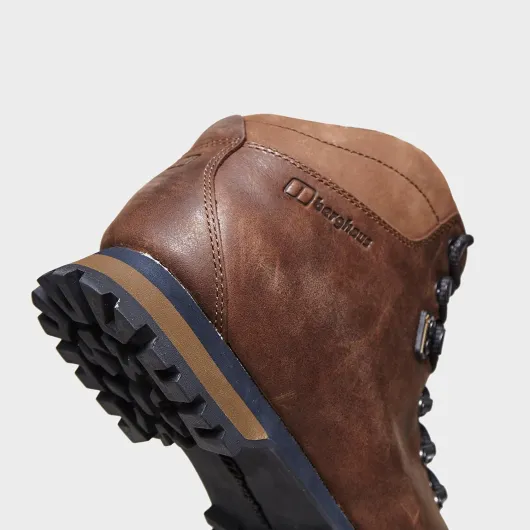
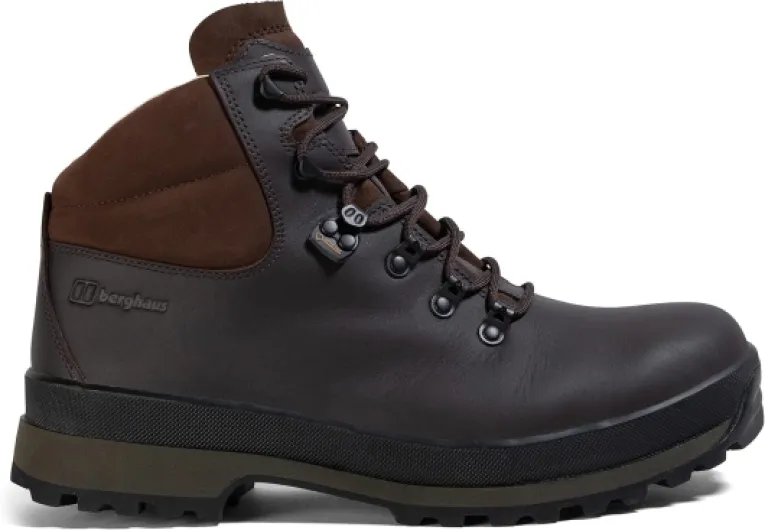
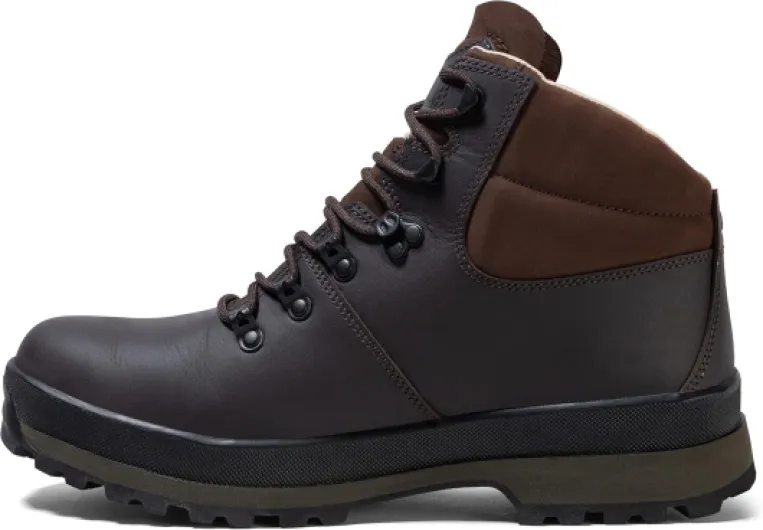
Design-wise, the Hillmaster II GTX is very much on the traditional side. Smooth brown leather upper, minimal branding, no flashy colours. Personally, I like that for something I’m going to drag through mud and sheep fields. It looks like a boot that’s meant to be used, not displayed on Instagram. If you’re into sleek, modern hiking shoes that look like trainers, this won’t scratch that itch. But if you’re used to classic leather boots like Scarpa or Meindl, it feels familiar.
The boot has a fairly rounded toe box and a steady, not overly narrow profile. That’s good news if you’ve got slightly wider feet or any minor foot issues. One Amazon reviewer mentioned having a bunion and still being comfortable, which doesn’t surprise me. The lacing system is simple: standard eyelets at the bottom and hooks at the top, so you can adjust the tension over the forefoot and ankle separately. It’s easy to fine-tune – tighten the lower section for rocky terrain, loosen it for flat dog walks. The only downside is the laces do tend to work loose if you just do a casual knot, so I’ve switched to a double knot and that solved it.
The tongue and collar are padded with memory foam, which sounds like marketing fluff but actually feels decent. It gives a bit of a custom feel around the ankle after a few wears, and it helps stop pressure points from the laces. The tongue is gusseted high enough that water and mud don’t easily get in from the front, which is important when you’re stomping through wet grass or shallow streams. The stitching all around the boot looks clean and regular; no loose threads on mine out of the box.
On the downside, the design is not very breathable-looking. It’s almost all leather, and the Gore-Tex membrane keeps water out but also traps some heat in. On cold, wet days this is perfect. On warmer days or fast hikes, your feet will feel warm, and if you run hot anyway you’ll notice it. So the design is clearly biased towards autumn/winter and wet conditions rather than hot summer trekking. Overall, I’d call the design practical, a bit conservative, but it suits the job these boots are clearly meant for.
Comfort: no real break-in pain, but warm and a bit stiff at first
Comfort is where these boots surprised me the most. I was expecting the usual leather boot story: two weeks of blisters, hot spots on the heel, and sore ankles. Instead, the Hillmaster II GTX were pretty wearable straight out of the box. I still eased into them – shorter walks first, then longer ones – but I didn’t get any proper blisters. The memory foam around the ankle and tongue actually does make them feel snug without needing to crank the laces down too hard.
The fit in a 7.5 UK for me is true to size with room for a medium to thick hiking sock. I’ve seen reviews from people who sized up half a size and found them a bit roomy, which doesn’t surprise me. Unless you’ve got very wide feet or want huge winter socks, I’d stick to your normal size. The toe box has enough space that your toes aren’t rammed together on descents, but it’s not clown-shoe wide either. The heel hold is decent; my heel doesn’t lift much, which helps avoid rubbing on longer walks.
Underfoot, the cushioning is better than older-school leather boots that feel like clogs. The EVA midsole takes the edge off hard ground and long days on stony tracks. After a couple of 10–15 km walks, my feet felt tired but not battered. The boot is still a bit stiff in the first few outings, especially around the ankle flex, but it loosens up reasonably quickly. It’s nowhere near as flexible as a trainer-style hiking shoe, but that extra stiffness gives more support when you’re side-hilling or walking on uneven ground.
The main comfort downside is heat. With leather plus Gore-Tex, these are warm boots. They’re spot on in cold, wet, windy weather, but on milder days, especially if you’re walking fast or climbing a lot, your feet will get warm and a bit sweaty. For me, that’s fine because I mainly use them in autumn and winter. If you’re after a three-season boot that you can happily wear on hot summer hikes, I’d look at something lighter and more breathable. Overall though, for the conditions they’re designed for, the comfort is pretty solid and better than I expected from a traditional leather model.
Materials: proper leather, solid sole, a few weak spots inside
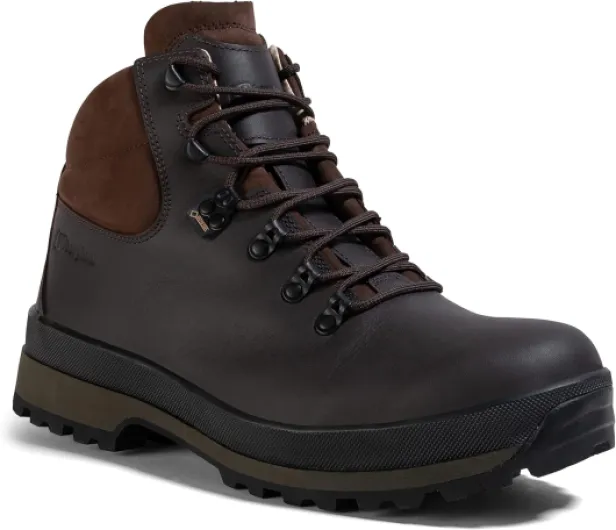
The upper is full-grain leather, and that’s the main selling point here. Compared to fabric boots with a DWR coating, leather handles constant wet grass and mud far better, as long as you look after it. After a few weeks of use, the leather on mine has softened a bit but hasn’t cracked or shown any worrying creases. I’ve been using a wax (G-wax type) every few outings and giving them a quick wipe down when they’re caked in mud. It’s not zero-maintenance, but that’s normal for leather boots. If you ignore them completely, they’ll eventually dry out and suffer, but that’s user error more than a material problem.
The waterproofing comes from a Gore-Tex membrane inside the boot. In practice, that means two layers of protection: leather plus the membrane. I’ve walked through long, soaked grass and shallow puddles and haven’t had any water seep in so far. Some cheaper boots with a fabric upper and Gore-Tex tend to “wet out” quickly and feel clammy; here the leather helps shed water and mud before it even gets to the membrane. Breathability is average at best – my feet aren’t swimming in sweat, but they are warmer than in fabric boots. For cold and wet UK weather, that’s more of a plus than a minus.
The sole is a combo of EVA midsole and a Vibram rubber outsole. The EVA gives cushioning, which is noticeable on hard tracks and roads – you don’t feel every stone. The Vibram rubber is soft enough to grip well on wet rock and mud, but that softness usually means faster wear. A couple of Amazon reviewers mentioned the soles being quite soft but with good wet grip, which matches what I’ve felt. I’d rather have grip and accept that I might need to resole or replace a bit sooner than slide around on hard, long-lasting rubber.
The weak point seems to be the inner lining. At least one user mentioned the lining starting to fail after about seven months of heavy daily use. That’s not great, especially at this price point. I haven’t had mine that long yet, but it’s something to keep in mind. The lining is a mix of fabric and leather, and the fabric areas are usually the first to go if you’re constantly grinding dirt inside the boot or putting them on and off roughly. So materials overall: solid on the outside, decent underfoot, but I’m slightly cautious about the durability of the inner lining over the long term.
Durability: tough outside, some question marks inside
Durability is always the tricky bit to judge without years of use, but there are some clear signs. On the outside, the leather upper is holding up well. I’ve dragged these through hedges, mud, and rough paths, and there are only light scuffs that buff out with a bit of wax. Another Amazon user said they used their first pair daily for 5 miles a day and the leather hadn’t cracked, which matches what I’d expect from this kind of boot if you maintain it. The stitching and general build feel solid; nothing is peeling or coming loose for me so far.
The outsole seems to use a relatively soft Vibram compound, which is good for grip but not ideal if you want a boot that lasts ten years of constant road walking. If you’re mainly on trails, fields and mixed ground, that’s less of a problem. If you’re using them as work boots on tarmac and concrete every day, you’ll probably see the lugs wear down faster. That’s a trade-off most brands make: more grip, slightly less lifespan under heavy daily abuse.
The main concern, based on user reviews, is the inner lining durability. One buyer reported the lining starting to fail after just seven months of daily field use, which isn’t great for a boot at this price. Once the lining starts to tear or crease badly, it can rub your heel or bunch up around your toes, and that’s the sort of thing that makes otherwise good boots end up in the back of the cupboard. I haven’t hit that point yet, but it’s something I’m watching. The fabric areas around the heel are usually the first to go in many boots, and I suspect it’ll be the same story here if you’re using them very hard.
My take: if you look after them properly – clean off mud, let them dry naturally, and use wax regularly – the outer leather and waterproofing should last several seasons of normal hiking and dog walking. If you’re hammering them every single day in rough conditions, you might run into lining issues earlier than you’d like. So they’re solid, but not indestructible. There are tougher, heavier boots out there if absolute longevity is your main concern, but they’ll usually cost more and be less comfortable out of the box.
Performance: waterproofing and grip where it counts
In real use, these boots are built for wet, messy conditions, and that’s where they perform well. I’ve done multiple walks in long, soaked grass where cheaper fabric boots used to give up and let moisture seep through the sides. With the Hillmaster II GTX, my socks have stayed dry each time. One Amazon user mentioned using them twice a day in wet fields for dog walks and still staying bone dry, and my experience lines up with that. The leather sheds water well once you’ve treated it with wax, and the Gore-Tex membrane catches anything that gets past.
Grip is another strong point. The Vibram outsole has a decent lug pattern and uses a softer rubber that bites nicely into wet mud and slick rocks. I’ve taken them over muddy fields, wet wooden footbridges, and some rocky paths in the Peaks, and I never felt like I was skating around. You can still slip if you’re careless on greasy clay or wet roots – no boot is magic – but compared to cheaper hard-rubber soles, these feel more secure. The trade-off is that softer rubber usually wears faster, so if you’re pounding tarmac every day, expect to see some wear sooner than on a purely hard-touring boot.
Stability-wise, the mid-height ankle and relatively stiff construction give you decent support on uneven ground. The engineered heel support they talk about isn’t just marketing; the heel feels locked in, and the boot doesn’t twist easily. That’s handy if you’re carrying a bit of weight in a backpack or walking on rutted tracks. They’re not mountaineering stiff, you can’t front-point up ice in them, but for normal UK hills and countryside they’re more than enough.
Where performance dips a bit is in very warm weather and on long, hot days. The lack of ventilation means your feet get warm and sweaty, which can lead to rubbing if your socks aren’t up to the job. Also, one review mentioned the inner lining failing after seven months of hard daily use, which is a performance issue in terms of long-term reliability. So as a winter and bad-weather boot, they’re strong. As an all-year, every-climate boot, they’re a bit biased towards cold and wet rather than hot and dry.
What you actually get with the Hillmaster II GTX
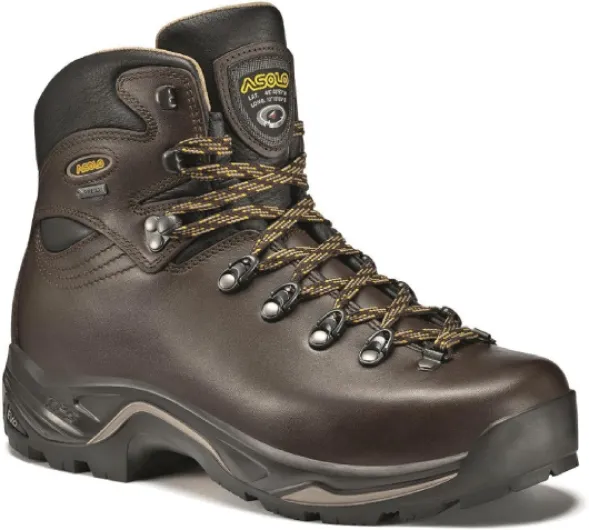
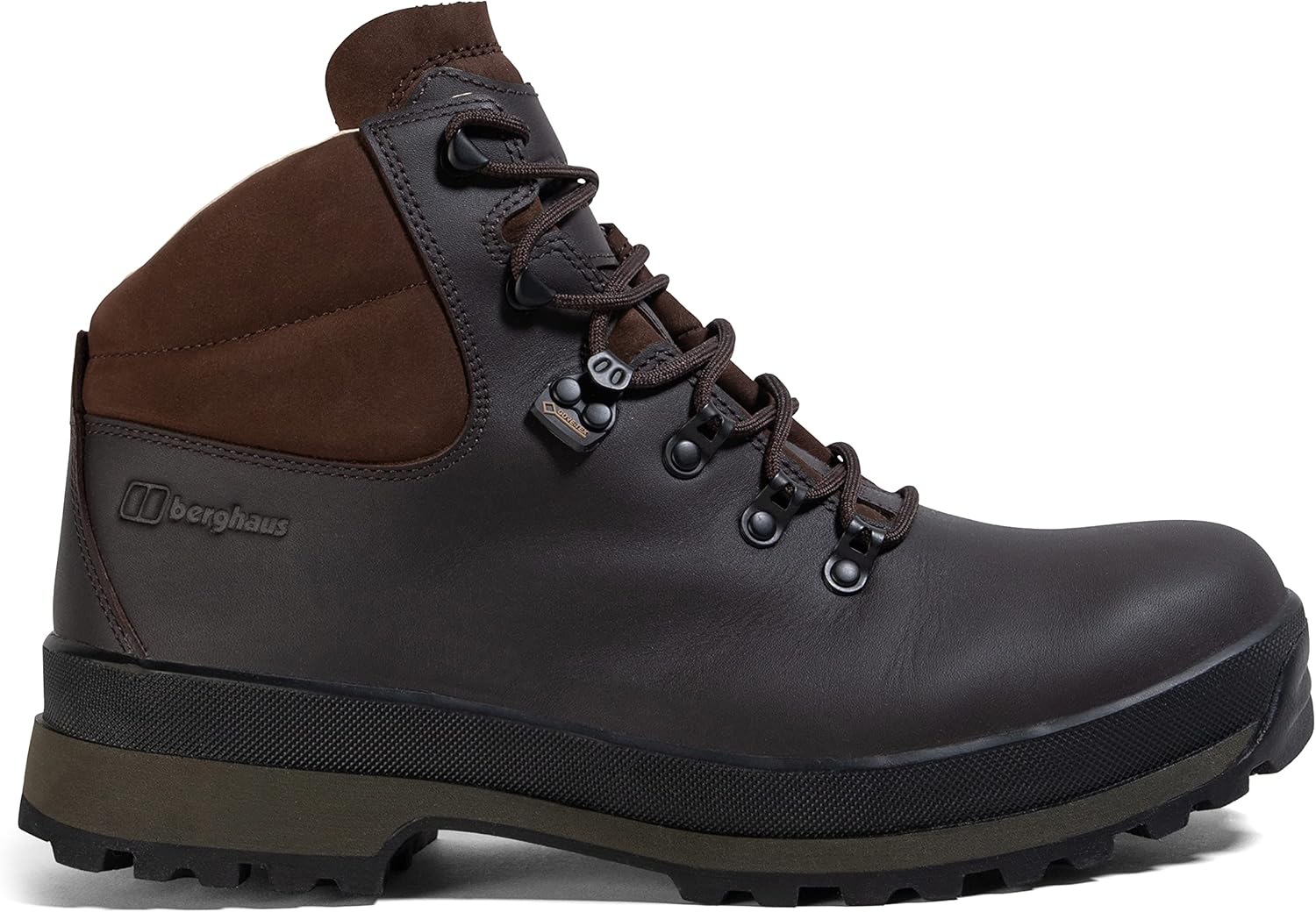
The Hillmaster II GTX is a full leather hiking boot with a Gore-Tex membrane, mid-height ankle, and a pretty classic hillwalking look. Think more “old-school British hiking boot” than trendy urban hiker. Mine are in Coffee Brown, which is basically a dark brown that hides mud well and doesn’t scream for attention. Out of the box, they feel like a serious bit of kit – solid upper, chunky sole, and no flimsy panels that look like they’ll rip after a few snags on brambles.
They use a Vibram outsole with a fairly aggressive tread. It’s not as wild as some mountaineering soles but deep enough that mud doesn’t instantly clog everything. The midsole is EVA (foam), so you do get some cushioning, not just a wooden plank under your foot. Inside, you’ve got a synthetic insole and a mix of leather and fabric lining, with memory foam around the collar and tongue. It’s a proper lace-up boot with standard hooks and eyelets – nothing fancy like Boa systems or quick laces, just normal laces that you can easily replace.
The boot height is “mid-top”, so it covers the ankle but doesn’t go super high up the leg. For normal hiking and dog walking, that’s plenty. It keeps the muck out, supports the ankle a bit, and doesn’t feel like you’re wearing ski boots. The overall shape is on the slightly roomier side compared with some narrow European brands. I went true to size (7.5 UK), and there’s enough room for a thick hiking sock without my toes jamming into the front on descents.
In terms of target use, I’d say they’re clearly built for wet, mixed terrain: UK hills, fields, forests, and general bad weather. They’re not a lightweight summer trail runner, and they’re not an alpine boot with a rigid sole for crampons. They sit in that middle ground: everyday outdoor workhorse. If you’re expecting a modern, sneaker-like feel, you’ll probably think they’re a bit old-fashioned. If you want a straightforward, tough-looking leather boot, the overall package makes sense.
Pros
- Very good waterproofing in long wet grass, mud, and general bad weather
- Comfortable relatively quickly for a leather boot, with decent cushioning
- Strong grip from the Vibram sole, especially on wet and muddy ground
Cons
- Inner lining may wear faster under heavy daily use
- Warm and not very breathable, less suited to hot summer hikes
- Laces tend to work loose unless you double knot or replace them
Conclusion
Editor's rating
The Berghaus Hillmaster II GTX is a straightforward, leather hiking boot that does its best work in wet, messy conditions. It’s not flashy, it’s not ultra-light, but it keeps your feet dry, grips well on mud and wet rock, and is more comfortable out of the box than many older-style leather boots. The fit is on the roomier side of normal, with enough space for proper hiking socks, and the memory foam ankle padding helps avoid the usual break-in pain.
On the downside, they run warm, so they’re not ideal for hot summer hikes, and there are some question marks around the long-term durability of the inner lining if you really hammer them every day. The soles are grippy but on the softer side, so heavy road use will wear them faster. For the price, you’re getting solid materials on the outside, proven waterproofing, and decent comfort, but not a bombproof work boot that will last forever under abuse.
I’d recommend these boots to anyone who spends a lot of time in wet fields, UK hills, and muddy tracks – dog walkers, regular hikers, and people who are sick of cheap “waterproof” boots giving up after a season. If you mainly walk in dry conditions, want a light, trainer-like feel, or care a lot about modern styling, this isn’t the right match. For practical, no-nonsense wet-weather use, they’re a good, honest pair of boots with a couple of flaws you should be aware of.