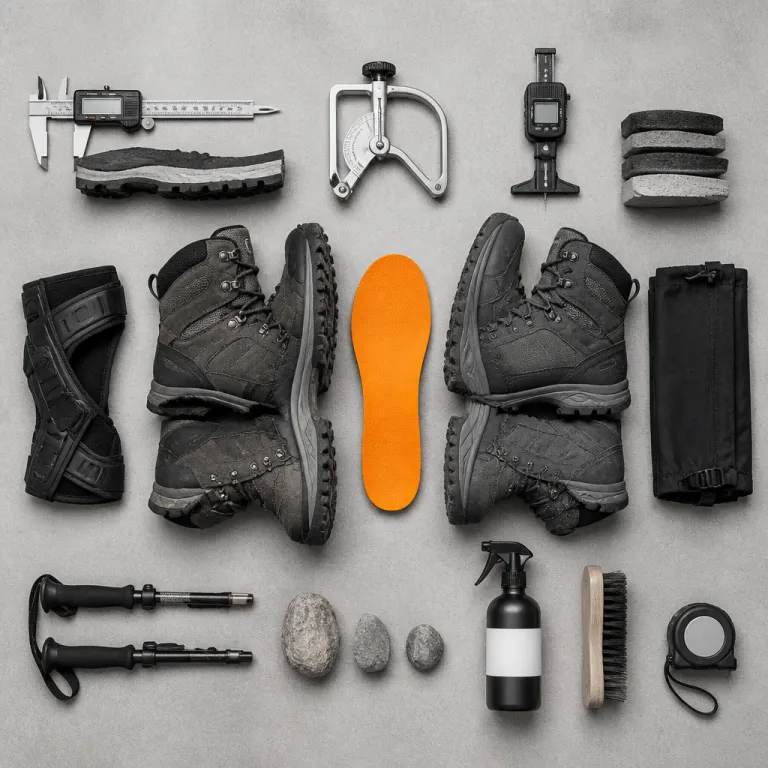
How to choose the best backpacking boots for real mountain miles
Backpacking is not about the prettiest hiking boots on a shelf. It is about the best backpacking boots that keep your feet calm when your pack hits 18 kg and the trail tilts sideways. The right hiking boot turns a sketchy traverse into a routine step, while the wrong boot makes every kilometre feel longer than it is.
Most experienced hikers fall into two clear camps when they compare boots. One group wants maximum ankle support and torsional stiffness under a 18–20 kg backpacking load, so they look for a stable mid cut boot with a firm midsole and a locked in heel. The other group wants deep cushioning for 25–30 km day hikes with a 10–12 kg pack, so they prioritise a lightweight boot with a softer foam and a roomy toe box that still offers enough ankle protection.
Before you read any glowing review, you need to check three hard factors. First, fit and last shape matter more than any gore tex membrane or gtx label, because even the best hiking technology fails if your toes slam the front on descents. Second, outsole compound and lug pattern decide whether your backpacking boots feel secure on wet rock or skate around on roots. Third, build quality and price must match your expected mileage, because a cheap boot that delaminates at 400 km is more expensive than a premium pair that survives 1 200 km.
Think in use cases, not marketing categories, when you compare hiking boots. If you carry a heavy pack on broken alpine trails, you want a boot like the salomon quest line that emphasises chassis stability and ankle support over running shoe comfort. If you move fast with a lighter load on rolling terrain, a cushioned model such as the hoka kaha series or a modern mid gtx hybrid can give you better long term comfort without sacrificing too much control.
Leather versus synthetic is still a real decision for every serious backpacking boot buyer. Full grain leather boots such as the zamberlan vioz or the sportiva nucleo high gtx variants tend to offer better long term durability and more progressive ankle support, but they take longer to break in and weigh more than many lightweight synthetic boots. Synthetic uppers, as seen on many merrell and hoka models, dry faster and feel more forgiving out of the box, yet they can lose structure after several hundred kilometres of abrasive hiking.
Finally, remember that boots men and boots women lines are not just colour swaps. Women specific hiking boots often use a narrower heel, different instep volume, and adjusted ankle collar height, which can transform how secure a hiking boot feels under a backpacking load. If you sit between standard widths, it is worth trying both a men labelled boot and a women labelled boot to check which last hugs your midfoot best.
Salomon Quest 5 versus Hoka Kaha 3: stability and comfort benchmarks
Right now, the salomon quest 5 gtx is the stability benchmark for the best backpacking boots. It combines a 4d advanced chassis, a supportive mid cut collar, and a double lug outsole that feels locked in on steep scree and side hilling with a 18 kg pack. The boot is lighter than the previous quest generation, yet it still behaves like a traditional backpacking boot when you edge across loose rock.
On the comfort side, the hoka kaha 3 gtx sets the standard for plush cushioning in a true hiking boot. Its marathon runner grade midsole foam spreads impact over a larger surface, which helps heavier hikers and those with joint issues stay fresher on long day hikes. Under a 10–12 kg load on rolling terrain, the kaha gtx platform feels more like a maximalist trail shoe than a classic leather boot, while still offering real ankle support.
When you compare these two hiking boots, think about your terrain first. The salomon quest 5 wins on technical ground, where its stiffer midsole and more precise toe box let you place your foot exactly on small edges. The hoka kaha 3 wins on smoother trails, where its softer foam and rockered profile roll you forward and reduce calf fatigue over many hours.
Pack weight is the second deciding factor between these backpacking boots. If you regularly carry more than 16–18 kg, the quest 5 chassis resists twisting and keeps your ankle lined up even when you misstep on a hidden root. If your base weight is closer to 10–12 kg, the extra cushioning of the kaha gtx midsole will likely feel like the best hiking choice for your knees and hips.
Foot shape is the third pillar in this decision. The salomon quest last suits medium to slightly narrow feet that like a secure midfoot wrap and a moderate toe box, while the hoka kaha last favours medium to wide feet that need more forefoot splay. If you have a very wide forefoot, you may still find both boots snug and should check wide friendly alternatives later in this guide.
Whichever boot you choose, size up by half a size from your everyday shoes. Feet swell during long hiking days, and a little extra length prevents bruised toenails on steep descents with a loaded pack. If you struggle with heel lift or hot spots, use advanced lacing and tongue pad tricks from a dedicated guide on stopping heel slip in hiking boots to lock the boot around your ankle without crushing the instep.
Edge cases: La Sportiva Trango Tech GTX, mountaineering crossovers and technical ground
Some hikers push beyond standard backpacking trails into mixed alpine routes and easy mountaineering. For them, the best backpacking boots often look more like lightweight mountaineering boots, and the la sportiva trango tech gtx sits exactly in that crossover zone. This boot offers a stiffer platform, a precise climbing oriented toe box, and compatibility with semi automatic crampons, which changes how it behaves on snow and rock.
Compared with the salomon quest 5, the trango tech gtx feels more secure when you front point on firm névé or edge across icy steps. Its midsole and shank resist flexing, so your calf muscles work harder on long flat approaches but your foot feels more protected when you kick steps. On technical scrambles above the treeline, this boot lets you trust tiny holds that would feel sketchy in softer hiking boots.
Against the hoka kaha 3, the trango tech gtx sacrifices comfort on easy kilometres to gain precision on steep ground. The hoka boot remains the better choice for long valley approaches, forest tracks, and rolling ridge lines where you want cushioning more than edging power. The la sportiva boot, by contrast, shines when your route includes via ferrata ladders, rocky gullies, and short sections of low grade climbing.
Durability expectations also differ between these categories of boots. A mountaineering oriented hiking boot like the trango tech gtx uses more robust randing and denser upper fabrics, which resist abrasion from scree and crampon straps better than many lightweight backpacking boots. However, that extra protection comes with a higher price and a slightly harsher ride on flat, compacted paths.
If you are planning mostly hut to hut hiking with occasional glacier crossings, a boot such as the trango tech gtx or the sportiva nucleo high gtx can be a smart compromise. These models give you more ankle support and edging power than typical mid gtx hiking boots, while still being lighter and more walkable than full alpine boots. For pure trail use, though, many hikers will still prefer the balance of stability and comfort offered by the quest 5 or the kaha gtx.
When you evaluate these more technical boots, read at least one long term review that covers 500 km or more of mixed use. Pay attention to comments about outsole wear, midsole compression, and any delamination around the toe box or heel rand, because these are common failure points in stiffer boots. If possible, try the boot on a steep ramp in the shop to check how your ankle feels when you edge and side hill, not just when you walk straight ahead.
For hikers who like to cross wet meadows and sit on damp ground during alpine lunch breaks, pairing these boots with a dedicated piece of rain gear such as a waterproof blanket for outside use can keep your insulation layers dry and extend your comfort window in unstable weather.
Wide feet, zero drop, and when a boot is not really a boot
Many serious backpackers with wide feet feel ignored by traditional hiking boot lasts. If that sounds familiar, the best backpacking boots for you may actually be high cut trail shoes that behave like boots without the narrow midfoot squeeze. Models such as the altra olympus 6 and the topo athletic trailventure 2 mid are prime examples of this category.
The altra olympus 6 mid uses a zero drop platform and a very wide toe box, which lets your forefoot splay naturally during long day hikes and multi day trips. This design reduces pressure on the metatarsals and can help some hikers with neuroma or bunion issues, although it requires calf and Achilles adaptation if you come from traditional boots. The topo trailventure 2 mid offers a slightly lower volume fit but still gives more forefoot room than many boots men and boots women models from mainstream brands.
Neither the olympus nor the trailventure is a classic leather backpacking boot, and both sit closer to the lightweight hiking boots end of the spectrum. They usually rely on synthetic uppers with optional gtx membranes rather than thick leather, which keeps weight down and drying times short. For hikers carrying less than 12 kg on mostly moderate terrain, this trade off often feels like the best hiking choice.
Thru hikers on routes such as the pct or cdt push this idea even further. Many of them skip traditional backpacking boots entirely and use trail runners or mid cut trail shoes, with the altra lone peak all wthr mid often cited as the closest thing they accept as a hiking boot. This model combines a zero drop platform, a flexible midsole, and a weather resistant upper, which suits long distance hiking where foot freedom matters more than ankle support.
If you are curious about these alternatives, read a detailed review that covers both the strengths and the limits of such designs. Pay attention to how the midsole foam holds up after 800–1 000 km, because some lightweight compounds pack out faster than those in heavier boots. Also check whether the gtx or other waterproof lining stays intact, since repeated flexing can create leaks at the forefoot crease.
For wide footed hikers who still want more structure, some traditional brands offer specific wide versions of their backpacking boots. The merrell moab line, for example, includes wide options in both hiking boot and hiking shoe formats, and a dedicated test of the men’s moab 3 wide hiking shoe shows how this last can accommodate broader feet without losing midfoot support. Similar wide offerings exist in boots women lines, so do not assume you must tolerate cramped toes just because you want a supportive boot.
Classic leather workhorses: Zamberlan Vioz, Nucleo High, and long term durability
While modern synthetic boots dominate many shop walls, full grain leather backpacking boots still earn their place on demanding routes. The zamberlan vioz and the la sportiva nucleo high gtx are two of the most respected examples, and both deserve a close look if you value long term durability. These boots trade a little weight and break in time for a more supportive, moulded feel after several trips.
The zamberlan vioz gtx uses thick leather with a robust rand and a traditional hiking boot silhouette, which gives excellent ankle support once the upper softens and conforms to your leg. Its outsole compound grips well on mixed terrain, and the boot’s structure resists collapse even after years of backpacking. For hikers who carry 18–20 kg packs on rough alpine trails, this model still ranks among the best backpacking boots for stability and longevity.
The sportiva nucleo high gtx takes a slightly more modern approach, blending leather panels with breathable inserts to improve ventilation. It remains a supportive mid cut boot with a firm midsole, but it feels a little lighter and more agile than some older leather designs. On long day hikes with moderate loads, this balance can feel more forgiving while still offering enough ankle support for uneven ground.
Leather boots demand more care than many lightweight hiking boots, yet the payoff is real. Regular cleaning, conditioning, and occasional re proofing of the gore tex or other waterproof lining help maintain both water resistance and leather suppleness, which in turn preserves the boot’s supportive shape. Neglecting this maintenance often leads to cracked leather, delaminated randing, and premature loss of ankle structure.
Price is another factor where leather boots can make sense over time. While the initial price tag of a zamberlan vioz gtx or a nucleo high gtx may exceed that of a synthetic boot, their potential lifespan under regular hiking can be double if you care for them properly. When you spread that cost over 1 500–2 000 km of use, the effective price per kilometre can be lower than many cheaper boots that fail early.
For both boots men and boots women versions of these models, sizing and break in are critical. You should size them with the same half size up rule used for other backpacking boots, but expect a longer adaptation period as the leather stretches and conforms. During the first few trips, keep day hikes shorter and carry a lighter pack to let your feet and the boot adjust to each other without creating pressure points.
Fit, sizing, resoleability and the real cost of a boot
Fit is where even the best backpacking boots succeed or fail, regardless of brand or technology. A perfectly chosen gtx membrane, a premium leather upper, or a famous name like salomon or hoka means nothing if your heel lifts or your toes hit the front. Getting this right requires patience, honest self assessment, and sometimes a willingness to ignore the most hyped model.
Start by measuring both feet at the end of the day, when they are slightly swollen from normal activity. Most hikers benefit from choosing a hiking boot that is roughly half a size longer than their everyday shoes, which leaves enough room for downhill movement and a medium weight hiking sock. Check that you can slide one finger behind your heel when your toes lightly touch the front, and that your midfoot feels snug without numbness.
Pay close attention to the toe box shape when you compare boots men and boots women models. Some brands, such as hoka and altra, offer more rounded and spacious toe boxes that suit wider forefeet or those who like extra splay, while others like salomon and some la sportiva models run more anatomical and tapered. If you feel pressure on the side of your big toe or little toe during a shop test, that hotspot will only worsen after several hours of hiking.
Ankle support is another area where personal preference and anatomy intersect. A mid cut boot that hugs one hiker’s ankle perfectly may rub another hiker’s malleolus bone raw, so always walk up and down an incline when testing boots. If you feel any sharp pressure around the ankle collar, try a different model or adjust lacing patterns before assuming the boot will break in enough to solve it.
Resoleability affects the long term value of your hiking boots, especially if you hike more than 1 500 km per year. Many modern boots, including popular models like the salomon quest 5 and the hoka kaha 3, use cement bonded constructions that are difficult or impossible to resole economically once the outsole wears down. Traditional boots with stitched or welted constructions, such as some hanwag models, can often be resoled, extending their life significantly.
When you evaluate price, think in terms of cost per 100 km rather than the sticker number alone. A cheaper boot that loses cushioning, leaks through the gore tex lining, or delaminates at the toe box after 500 km will cost more per kilometre than a pricier boot that stays functional for 1 500 km. For serious backpackers, this perspective often justifies investing in higher quality boots that match their hiking volume and terrain.
Quick model rundown: where each boot shines and where it does not
To make sense of the crowded hiking boots market, it helps to map each major model to a specific use case. The salomon quest 5 gtx remains the reference for heavy pack stability on technical trails, while the hoka kaha 3 gtx leads for comfort on moderate terrain with lighter loads. Around them, a handful of other boots and mids fill important niches for different hikers.
The zamberlan vioz gtx and the la sportiva nucleo high gtx serve hikers who prioritise durability and ankle support over low weight. These leather heavyweights excel on long backpacking trips where you expect rough ground, frequent rock contact, and variable weather, and they reward regular care with a long service life. For many mountaineers who also backpack, these boots double as approach footwear for easier alpine routes.
On the lighter side, the merrell moab series, including both hiking boot and hiking shoe versions, offers accessible price points and forgiving fits. These models suit new hikers building mileage and experienced walkers who want a comfortable option for day hikes and shorter trips. They are not the most supportive backpacking boots for 18–20 kg loads, but they remain a solid choice for moderate use.
For hikers who want a hybrid between a trail runner and a boot, models like the hoka kaha, the altra olympus mid, and the topo trailventure mid gtx provide that middle ground. They combine generous cushioning, relatively low weight, and mid cut ankle collars that offer some protection without the locked in feel of stiffer boots. These designs shine on long distance trails where you carry 10–12 kg and value foot comfort over maximum stability.
Technical users should keep the la sportiva trango tech gtx and similar evo gtx style mountaineering crossovers on their radar. These boots bring crampon compatibility, edging precision, and robust uppers to the hiking world, making them ideal for mixed routes that blend trails, snowfields, and easy rock. They are less pleasant on long flat approaches, but they pay you back when the terrain steepens and exposure increases.
Whatever you choose, read at least one in depth review from a source that has logged real kilometres in the boot. Look for comments about midsole feel after 500 km, any changes in ankle support, and how the gore tex or other waterproof system performs after repeated wet dry cycles. The best backpacking boots are not defined by their first ten kilometres, but by how they feel on your tenth consecutive day in the mountains.
Key figures every backpacker should know about boots
- According to data from the Pacific Crest Trail Association, more than 70 % of thru hikers now start in trail runners or lightweight mids rather than traditional backpacking boots, reflecting a major shift in footwear preferences over the past decade.
- Studies from sports medicine journals show that feet can swell by 5–8 % in volume during long hiking days, which supports the common recommendation to size backpacking boots roughly half a size larger than everyday shoes.
- Field tests by independent gear labs have found that many gore tex lined boots begin to show reduced waterproof performance after roughly 500–800 km of mixed wet dry use, especially at flex points over the forefoot.
- Industry reports indicate that resoling a welted leather hiking boot can cost between 80 and 150 euros, but this can extend the boot’s life by several years, often making it cheaper over time than replacing a non resoleable boot every 1 000 km.
- Surveys of long distance hikers on routes such as the Appalachian Trail suggest that the average hiker goes through two to three pairs of footwear per thru hike, highlighting the importance of planning both budget and replacement strategy in advance.
FAQ: choosing and using backpacking boots
How much ankle support do I really need for backpacking
The level of ankle support you need depends on pack weight, terrain, and your injury history. With loads above 16–18 kg on uneven or rocky trails, a supportive mid cut hiking boot with a firm midsole and structured collar reduces the risk of ankle rolls. For lighter loads on smoother paths, a more flexible mid cut or even a robust low cut shoe can be sufficient if you have strong ankles and good technique.
Should I always choose gore tex or other waterproof boots
Waterproof boots with gore tex or similar membranes work best in cool, wet climates and on routes with frequent mud or shallow stream crossings. In hot, dry conditions, non waterproof hiking boots or shoes often keep your feet cooler and dry faster after occasional wetting. Many experienced hikers own both waterproof and non waterproof footwear and choose based on season and destination.
How long should a good pair of backpacking boots last
For most hikers, quality backpacking boots last between 1 000 and 2 000 km before midsoles compress, outsoles wear smooth, or uppers lose structure. Leather boots with resolable constructions can sometimes exceed this range if maintained well and resoled when needed. Lightweight synthetic boots usually feel great out of the box but may reach the end of their supportive life closer to the lower end of that distance range.
Is a heavier boot always better for stability
Heavier boots often include more material in the midsole, upper, and outsole, which can increase stability and protection, but weight alone does not guarantee support. Chassis design, torsional stiffness, and ankle collar shape matter more than grams on a scale. Many modern boots balance moderate weight with smart support structures, offering enough stability for most backpackers without the fatigue of very heavy footwear.
How should I break in new backpacking boots
Start by wearing new boots around the house and on short walks to check for obvious pressure points. Then progress to a few 5–10 km day hikes with a light pack, gradually increasing distance and load as the upper softens and the midsole adapts to your gait. Avoid starting a long multi day trip in completely new boots, because any small fit issue can turn into a serious blister problem under sustained use.