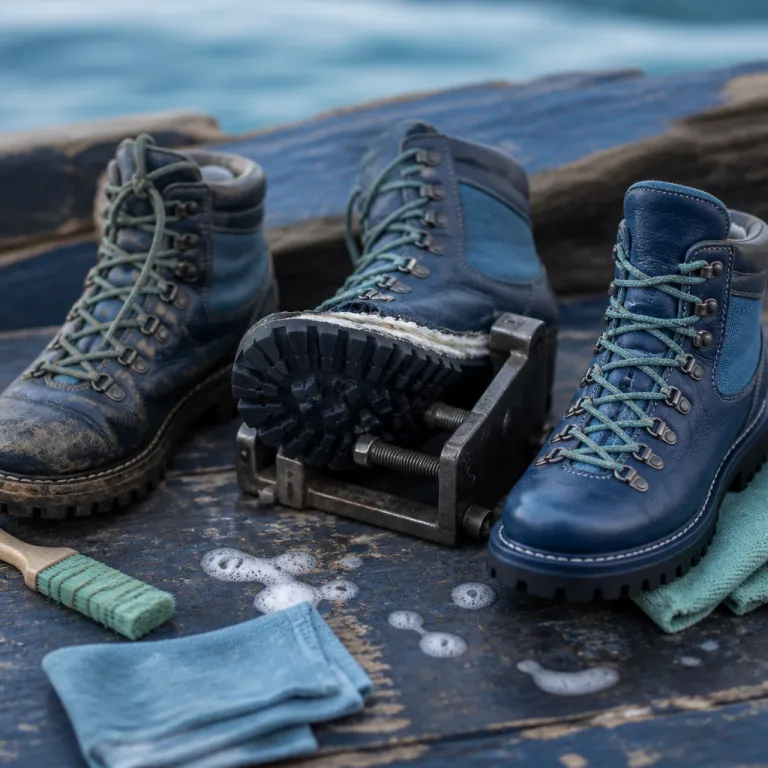
When hiking boot resole economics crush the regular price of new boots
Resoling a serious hiking boot is the quietest sustainability hack in modern footwear. When you compare the cost of a new boot to a well timed hiking boot resole, the numbers are brutal and they favor the cobbler. A new pair of synthetic hiking boots with a cement bonded sole often feels light and fast, yet the midsole foam and rubber outsole usually die together around 600 to 800 miles.
Take a premium boot with a regular price around 240 dollars and a realistic lifespan of 600 trail miles, and you are paying roughly 0.40 dollars per mile for that pair. Now compare that to a traditional leather boot such as a Limmer Standard or a White's MP boot, where a full resole pair can run about 100 dollars and the rebuilt sole and heel can comfortably last 1 500 miles or more. Across three boot repairs over decades, the total price sale divided by distance drops toward 0.06 dollars per mile, which undercuts almost every outdoor casual shoe on the wall.
This is why experienced hikers in the United States and the United Kingdom quietly send boots for repairs instead of chasing every sale price. They know that a resolable boot with a thick rubber sole unit and a rebuildable forepart heel is an asset, not a consumable shoe. For outdoor military users and guides who burn through military footwear, the same math applies, because a single boot repair can turn a tired black leather boot into a reliable partner for another full season.
Constructions that earn a second life and those that die at 500 miles
Not every hiking boot resole is worth the unit price, because construction dictates whether a cobbler can safely separate the sole from the upper. Goodyear welt boots such as the Limmer Standard, White's MP, the Hanwag Tatra and several Lowa trekking models use a stitched welt that allows repeated boot repairs without destroying the leather. Stitchdown boots like the Danner Mountain Light and some Danner Trailcomber variants also accept new soles and heels, which makes them prime candidates for a full sole pair replacement after the tread is gone.
On these welted boots, a skilled shoe repair shop can remove the worn vibram soles, inspect the midsole thickness, and then attach a fresh rubber unit with a new sole heel profile. That is exactly what the Portland based Danner Recrafting program offers for about 100 dollars, including a full resole, new midsole, new insoles, leather conditioning and hardware repair on models such as the Mountain 600 Leaf, which is Danner's first modern hiking boot designed specifically for resoling. For hikers who own classic leather hiking boots in black or brown suede nubuck, this kind of service turns a single boot into a multi decade platform instead of a short lived shoe.
Cement bonded hiking footwear tells a different story, because the sole is glued directly to a foam midsole that often crumbles before the tread is gone. Most mid cut synthetic hiking boots from brands like Salomon, Hoka and Keen fall into this category, and while a cobbler can sometimes glue a new rubber sole unit onto the remaining foam, the result is usually a stopgap repair rather than a true rebuild. If you are wearing a lightweight outdoor casual shoe that feels like a running shoe, assume it is not a candidate for a long term hiking boot resole and plan your budget accordingly, even if the initial unit price looks friendly.
For readers comparing resolable leather boots to modern waterproof models, a detailed field test such as this review of men's Gore Tex waterproof hiking boots in black can help you weigh long term durability against short term comfort. That kind of comparison matters when you are deciding whether to invest in a boot that accepts a resole pair or a lighter shoe that you will simply replace. The construction under your feet, not the marketing copy, decides whether boot repairs are realistic or just wishful thinking.
Danner Recrafting, Limmer repairs and the third party boot repair ecosystem
Among factory backed services, the Danner Recrafting program is the most visible example of a modern hiking boot resole done at scale. For roughly 100 dollars, Danner will perform a full boot repair on eligible models, which includes a new vibram sole, fresh midsole foam, new insoles, leather reconditioning and hardware repairs that restore lace hooks and eyelets. When you send in a pair of Danner Mountain Light or a Mountain 600 Leaf, you are effectively buying a new sole unit and extending the life of the upper by several more years.
Limmer Boots operates at the other end of the spectrum, where a family run shop still handles both custom boots and stock boot repairs for customers who have worn the same pair since the 1970s. Their repair page at limmerboots.com/pages/repairs outlines how they replace worn soles and heels, rebuild the forepart heel area and address stitching on full grain leather uppers that have seen thousands of kilometres. It is common for a single Limmer boot to go through multiple resoles over 15 to 25 years, and some custom Limmer hiking boots become 30 year companions that outlast several sets of vibram soles.
Third party services such as NuShoe fill the gap between factory programs and tiny local cobblers, offering hiking boot resole packages in the 60 to 80 dollar range. These shops often accept a wider range of hiking boots and shoes, including some outdoor military and outdoor casual footwear that the original manufacturer will not touch, and the quality is usually solid even if it is not heirloom level. For many hikers in the United States or the United Kingdom, a NuShoe style service hits the sweet spot between unit price, turnaround time and acceptable craftsmanship, especially when the alternative is paying the regular price for a brand new pair.
When you are shopping for premium hiking boots that you might resole later, curated guides such as this overview of top premium hiking boots can help you identify which models use resolable constructions. Look for clear mentions of Goodyear welt, stitchdown or a replaceable sole unit rather than vague claims about durability or military footwear heritage. The more transparent a brand is about boot repairs and resoling, the more likely your investment will survive beyond the first set of soles.
When hiking boot resole is a waste of money and when it is not
There are hard limits to what any boot repair can achieve, no matter how skilled the cobbler or how attractive the sale price on a resole package. If the leather upper shows deep cracks, dry rot or severe stretching that has destroyed the original shape, then attaching a new sole and heel is like putting new tires on a rusted frame. The same applies when the rubber rand has peeled away from the upper or when the forepart heel area has collapsed, because those structural failures will not be fixed by a new sole unit.
In those cases, the honest advice is to retire the boot and put your money toward a new pair of hiking boots or outdoor casual shoes that actually support your foot. Resoling a dead upper often costs close to the unit price of a new shoe, and you still end up with compromised fit, poor waterproofing and unreliable traction on wet rock. For low mileage hikers who log fewer than 100 kilometres per year, a mid range boot from a brand like Merrell or Salomon will usually age out before the soles wear through, so paying for a hiking boot resole rarely makes economic sense.
On the other hand, if the leather is healthy, the lining is intact and the boot still hugs your heel and midfoot, then a resole pair can feel like magic. A fresh vibram sole with proper lug thickness restores grip on mud and snow, while a new midsole can bring back cushioning that felt dead after years of carrying a heavy pack. In that scenario, the unit price of a resole is not just lower than the regular price of a new boot, it also preserves a broken in fit that no fresh shoe can match straight out of the box.
For hikers who push long days with trekking poles and heavy loads, pairing a well timed resole with smart technique can dramatically reduce joint stress, and resources such as this guide on how trekking poles cut knee impact show how lower limb mechanics interact with boot support. A supportive boot with a renewed sole heel profile works together with poles to keep your knees happier on steep descents. Sustainability is not just about materials, it is also about how long your body can keep hiking without preventable injuries.
Three clear playbooks for weekend hikers, serious backpackers and heirloom boot obsessives
If you hike a few weekends each season on rolling terrain, your best move is usually to buy a comfortable cement bonded boot or shoe at a fair price and simply wear it out. A 160 dollar pair of mid cut hiking boots with a glued rubber sole unit will probably last you many years at that mileage, and by the time the soles are thin the foam and lining will be tired anyway. In this scenario, paying for a hiking boot resole or a formal shoe repair is rarely justified, because the cost per kilometre is already low.
Serious backpackers who log hundreds of kilometres per year on mixed terrain should think differently and treat their boots as rebuildable tools. A Goodyear welt boot such as the Hanwag Tatra or a resolable Lowa trekking boot allows you to schedule boot repairs every 800 to 1 200 miles, replacing the vibram soles and sometimes the midsole while keeping the upper intact. Over a decade of hiking, that pattern of resoles turns a single boot into a long term platform, and the combined unit price of the original purchase plus several resoles still undercuts the regular price of buying new shoes every other season.
For the heirloom minded hiker who loves full grain leather and does not mind weight, a Limmer Standard or a White's MP boot represents the extreme end of the hiking boot resole philosophy. You buy once at a premium price, then send the boots back for a resole pair every few years, trusting the cobbler to replace the sole pair, refresh the sole heel and address any stitching or hardware issues. This is the world where outdoor military and mountain guide users live, because they value a stable platform that can be rebuilt repeatedly more than they value the latest foam compound.
Across all three playbooks, pay attention to details such as sole thickness, heel shape and the quality of the suede nubuck or smooth leather, because those factors determine how many boot repairs you can realistically expect. A thick black vibram teton outsole on a sturdy leather upper will usually survive multiple resoles, while a thin rubber sole on a lightweight outdoor casual shoe might not justify even one. In the end, the smartest hikers measure value not by the sale price on the box, but by how many confident steps they get per euro, per kilometre and per resole.
FAQ
How do I know if my hiking boots can be resoled ?
Look at the construction where the upper meets the sole, because that joint reveals whether a hiking boot resole is realistic. If you see visible stitching around the perimeter, you likely have a Goodyear welt or stitchdown boot that a cobbler can separate and rebuild. If the sole looks simply glued on with no stitching and the midsole foam is crumbling, the boot is probably cement bonded and not a good candidate for long term boot repairs.
What does a typical hiking boot resole include ?
A standard hiking boot resole usually includes removal of the worn sole, inspection of the midsole and welt, and installation of a new rubber sole unit with fresh tread. Many services also reshape or replace the sole heel, clean and condition the leather and sometimes add new laces or insoles as part of a full boot repair package. Factory programs like Danner Recrafting go further by replacing midsole foam and hardware, which makes the boots feel closer to new shoes than a simple tread swap.
Is resoling worth it for lightweight synthetic hiking shoes ?
For most lightweight synthetic hiking shoes and outdoor casual models, resoling is not cost effective because the uppers and midsoles wear out as fast as the soles. Even if a cobbler can glue on a new sole pair, the foam under your foot may already be compressed and the mesh may be torn, which means you are paying for a partial fix. In those cases, it is usually smarter to wait for a good price sale on a new pair rather than invest in shoe repair.
How many times can I resole a leather hiking boot ?
A well built leather hiking boot with a Goodyear welt or stitchdown construction can often be resoled three to five times, provided the leather upper and lining remain healthy. Each hiking boot resole removes a small amount of material from the welt and midsole, so there is a practical limit to how many boot repairs you can do before the structure is compromised. Brands like Limmer and White's routinely see boots come back for resoles over 15 to 25 years, which shows what is possible when the original construction is robust.
Does resoling change the fit or performance of my boots ?
A quality hiking boot resole should preserve the fit of the upper while restoring traction and cushioning underfoot. If the cobbler matches the original sole thickness and heel height, your stride and stance will feel familiar, just with sharper lugs and a more supportive midsole. Problems arise when a very different sole unit is used, which can alter the way the boot rolls and potentially create hot spots or pressure points.