
Summary
Editor's rating
Value for money: who should actually buy these
Classic look, function-first design
Comfort: good after break‑in, but not slipper-like
Leather, Gore‑Tex and Vibram: solid combo, with a few caveats
Built to last, as long as you’re willing to maintain them
Trail performance: grip, waterproofing and support on real walks
What you actually get out of the box
Pros
- Very good waterproofing and solid protection thanks to leather + Gore‑Tex combo
- Supportive fit with firm heel and ankle support, good for rough terrain
- Durable materials and construction that should last several seasons with basic care
Cons
- Heavier and warmer than modern lightweight hiking shoes or trail runners
- Requires a short break‑in period and benefits from aftermarket insoles for picky feet
- Regular width and relatively snug toebox may not suit very wide feet

Specifications
View full product page →| Brand | Berghaus |
Solid old-school boots with a modern twist
I’ve been using the Berghaus Hillmaster II Gore-Tex boots in Coffee Brown for a few weeks on wet UK trails, mainly muddy woodland and a couple of rocky hill walks. I picked them because I wanted a classic leather boot again after a few years in lighter fabric hikers that kept falling apart. I’m a UK 9, average width foot, and I wore them with mid-weight hiking socks.
First thing: these feel like proper boots, not fashion trainers pretending to be hiking gear. Out of the box they’re a bit stiff, a bit heavy, and you can tell they’re made for long walks rather than quick trips to the shops. After about three longer walks (around 10–12 km each), they started to loosen up nicely around the ankle and forefoot without feeling sloppy.
In daily use, I’ve had them in classic British conditions: drizzle, proper rain, wet grass, muddy paths, and a few patches of wet rock. The Gore‑Tex liner and the leather combo have kept my feet dry the whole time, even when I was standing in shallow puddles for a minute or two. No leaks, no damp patches, which is really what I wanted.
Overall, my first impression is that they’re pretty solid boots for serious walking, but they’re not perfect. They’re heavier than modern trail shoes, they run a touch warm, and you do feel them on your feet after a long day. If you’re fine with that old-school boot feel and want something that feels tough, they make sense. If you want something light and sporty, these will feel like overkill.
Value for money: who should actually buy these
In terms of value, the Hillmaster II sits in that mid-to-upper price range for hiking boots. You’re paying for leather, Gore‑Tex, and a known brand name. If you only do a couple of short walks a year on easy paths, honestly, these are overkill and you’re wasting money. A cheaper fabric boot or even sturdy walking shoes would do the job for you.
Where the value starts to make sense is if you’re out regularly in rough or wet conditions and you plan to keep the boots for several years. The build quality, materials, and the way they’re put together suggest they’ll outlast a lot of cheaper boots, especially if you’re willing to clean and proof them once in a while. Spread the cost over several seasons of hiking and the price feels more reasonable.
Compared to lighter synthetic boots I’ve used from other brands, these are heavier but feel more protective and longer-lasting. Compared to some high-end leather boots from premium brands, they’re a bit cheaper but still deliver solid performance. So they kind of sit in the middle: not budget, not top luxury, but good value if you actually use them properly. If you’re the type who walks in all weathers, does hill days, and wants one boot to rely on, they’re a sensible purchase.
On the downside, if you’re chasing ultra-light weight or you mainly hike in hot, dry climates, your money might be better spent on a breathable non-Gore‑Tex shoe. And if you’re very price-sensitive and only do easy weekend strolls, you probably won’t see the benefit of paying extra for this level of construction. So value is good, but mainly for regular hikers who want durability and support rather than minimal weight.
Classic look, function-first design
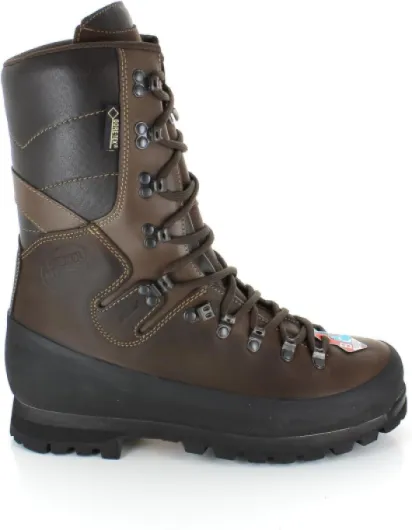
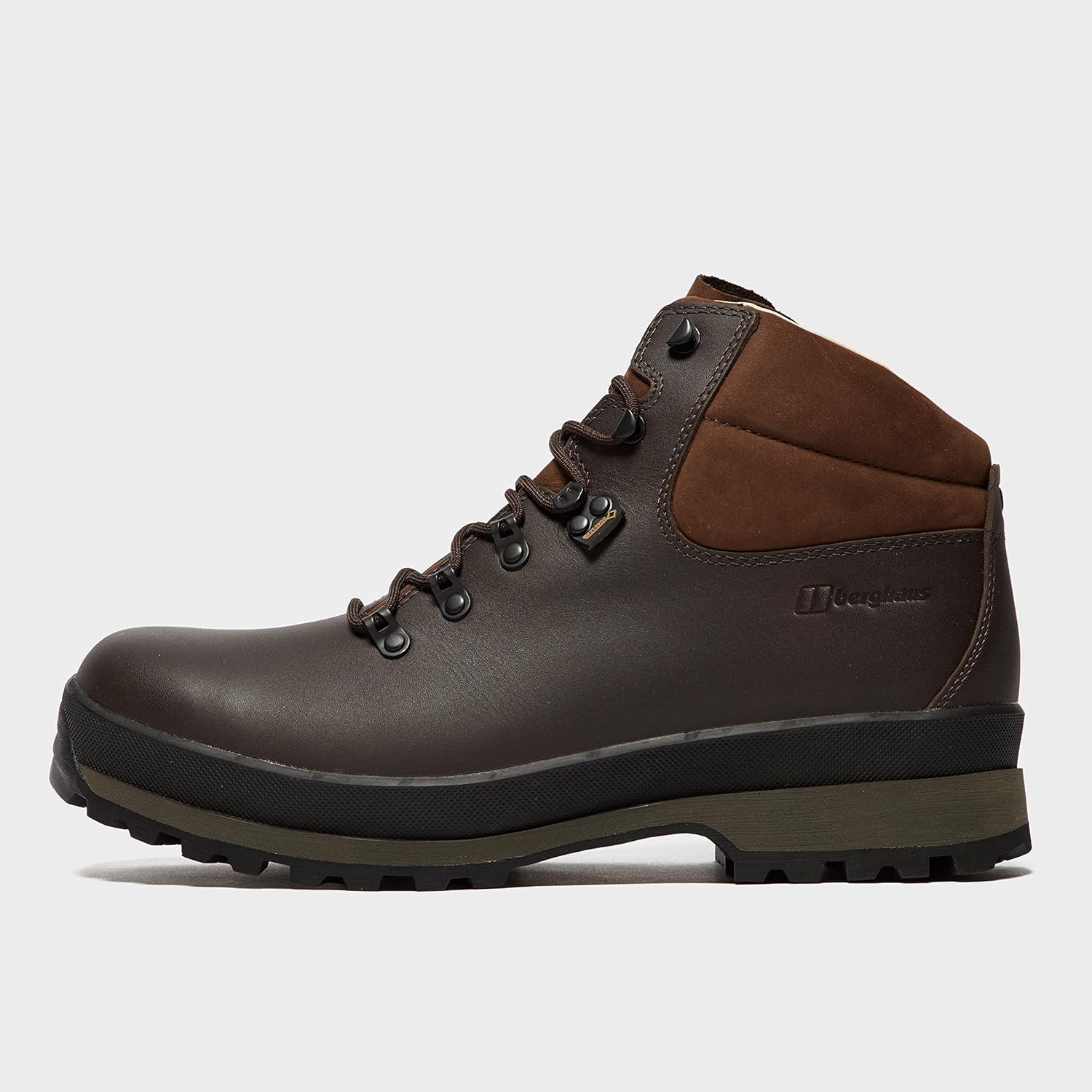
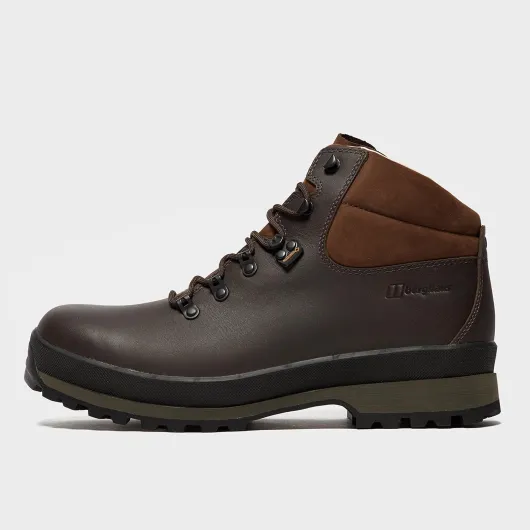
The design is very much classic British hiking boot. Full leather upper, minimal branding, flat heel, and a fairly chunky Vibram outsole. If you liked the older Hillmaster GTX from the 90s or early 2000s, this feels like an updated version rather than a complete redesign. The Coffee Brown colour is neutral and hides mud quite well, which is handy if you’re not washing them after every walk.
One thing I liked in the design is the heel support and shape. The heel cup is quite firm, so your foot doesn’t slide around when you’re going downhill. I did a couple of steep descents on wet, loose paths, and my toes weren’t smashing into the front like they sometimes do in softer boots. The midsole is PU by Vibram, which basically means you get decent shock absorption without it feeling like a sponge. It’s firm but not dead, so you can still feel what’s under your feet without every stone hurting.
The lacing system is simple but works: normal eyelets on the lower part and hooks on the top. You can easily adjust tension in the lower and upper sections of the boot, which is useful if your ankles swell a bit on longer days. The tongue is well-shaped and doesn’t bunch up; once it’s set, it stays in place. The memory foam in the tongue and collar is a nice touch – it fills small gaps around the ankle so you don’t get rubbing on bony spots.
On the downside, the design is not very modern or lightweight. If you’re used to sleek fabric boots with lots of mesh, these will feel a bit like going back in time. Also, the toebox is more on the regular-to-narrow side; if you’ve got very wide feet, you might find them tight unless you size up. But if you like old-school leather boots and don’t care about looking like a trail runner, the design does exactly what it should: protect your feet and give support without any weird gimmicks.
Comfort: good after break‑in, but not slipper-like
Comfort-wise, these boots are not out-of-the-box slippers, but they do get there with a bit of use. The first two walks (around 6–8 km each) felt a bit stiff around the ankle and across the top of the foot. Not painful, but you’re very aware you’re in structured boots. After three or four outings, the leather and the memory foam collar started to mould better to my foot, and that “new boot stiffness” dropped a lot.
The memory foam in the tongue and collar actually does something useful: it fills the little gaps around your ankle bones and the top of your foot, so the pressure from the laces spreads out more evenly. I didn’t get any hot spots around the ankle, which I sometimes do with harder collars. The heel hold is good; no lift or rubbing, even when going uphill. I deliberately walked a steep section a few times to check for blisters, and came out fine.
The stock insole is okay but basic. For short walks, it’s fine, but on a 15 km day I could feel the lack of arch support a bit. Swapping in my usual aftermarket insoles made a clear difference. So if you’ve got flat feet, high arches, or just picky feet, expect to upgrade the insole. The width is regular; I’ve got average feet and they felt snug but not tight. If you have wide feet or like lots of toe room, you might want half a size up or to try them on with your thickest hiking socks.
Ventilation is decent for a leather Gore‑Tex boot, but don’t expect the breathability of mesh trail runners. On cooler days they’re very comfortable; on warmer days with long climbs, my feet did get warm, but not soaking. Overall, comfort is solid once broken in, but if you want a soft, trainer-like feel from day one, this isn’t that. It’s a supportive boot that you grow into over the first few hikes.
Leather, Gore‑Tex and Vibram: solid combo, with a few caveats
The upper is made from full-grain leather, which is what attracted me in the first place. It feels thick but not like cardboard. After a few walks and one light conditioning with leather cream, it softened nicely without losing structure. Compared to synthetic boots I’ve used, this feels tougher and more likely to handle years of abuse, as long as you look after it with occasional cleaning and proofing. The leather also shrugs off brambles and rocks better than fabric; I’ve scraped it on stones and branches and only picked up light marks.
Inside, you’ve got a Gore‑Tex Performance Comfort membrane. In practice, that means a bootie inside the leather that keeps water out but lets sweat escape. On wet days in the 5–10°C range, my feet stayed dry from both outside water and sweat. On a slightly warmer day (around 15°C) doing a longer walk with some climbing, my feet did get a bit warm, but nothing crazy. That’s the trade-off with waterproof boots: they’ll always run warmer than non-waterproof shoes, and this pair is no different.
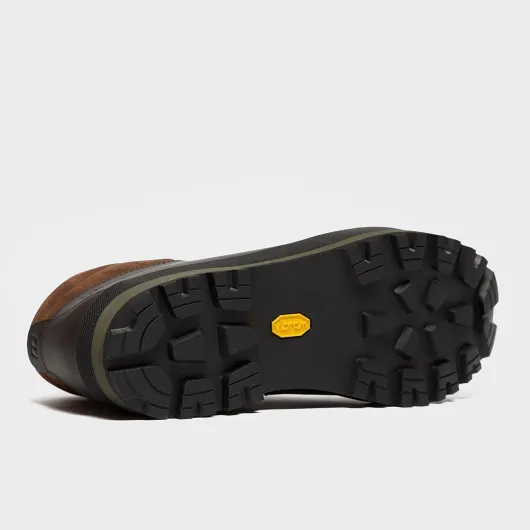
The sole is Ethylene Vinyl Acetate (EVA) midsole with a Vibram rubber outsole on top. The EVA gives cushioning, while Vibram rubber handles grip and wear. The rubber feels medium-firm; not as soft and sticky as some approach shoes, but tough enough that it won’t wear out after a season. The lugs are quite pronounced and spaced in a way that doesn’t clog too badly with mud, which I noticed on a particularly grim, sticky trail. A quick tap on a rock or a stomp on the ground cleared most of it.
Overall, materials are geared towards durability and protection, not ultra-light performance. The mix of leather, Gore‑Tex and Vibram is tried and tested. The downside is weight and slightly higher warmth, plus you need to maintain the leather if you want it to last. If you’re okay with cleaning and waxing them now and then, the materials feel like they’ll go the distance better than many fabric boots I’ve tried.
Built to last, as long as you’re willing to maintain them
Durability is where these boots seem to justify their reputation. After a few weeks of regular use, there’s barely any visible wear apart from light creasing in the leather where the foot bends. No stitching has come loose, the sole still looks fresh, and the leather has taken scrapes from rocks and branches with just minor marks. Compared to fabric boots I’ve had that started to fray quickly, these feel much more robust.
The outsole is Vibram rubber with fairly deep lugs, and it doesn’t show early rounding off, even after a fair amount of rocky paths and tarmac sections. EVA midsoles can compress over time, but early signs are good – no obvious flattening or weird soft spots. The eyelets and lace hooks are solid metal and show no bending or paint flaking so far, even when I really crank the laces tight.
That said, with full leather boots, maintenance is part of the deal. If you just leave them caked in mud in a damp hallway, they’ll crack and lose water resistance over time. I gave them a quick brush and rinse after muddy hikes, let them dry naturally away from radiators, and applied a leather conditioner/proofer once. The leather drank it in and looks better for it. If you’re the sort of person who can’t be bothered to do that every now and then, you might be better off with synthetic boots you don’t mind replacing more often.
Overall, these feel like they’ll easily handle a few seasons of regular hiking if you look after them. The construction is tidy, no glue blobs, no weird seams. They’re not indestructible, but for the price bracket and materials, durability looks pretty strong compared to a lot of lightweight options that start falling apart after a year.
Trail performance: grip, waterproofing and support on real walks
Out on the trail, the Hillmaster II does the basics well: grip, waterproofing and support. I tested them on muddy bridleways, wet grass, forest tracks with roots, and some rocky paths. The Vibram outsole grips nicely on damp rock and packed dirt. It’s not a climbing shoe, so on very slimy rock you still need to be careful, but I never felt like I was skating around. On wet grass and mud, the lugs bite in reasonably well. In thick clay-type mud, they still clog a bit, but that’s true of pretty much every boot I’ve used.
Waterproofing has been solid. I walked through wet fields with long grass, shallow streams up to just below the laces, and stood in puddles for a minute or so. No leaks, no damp toes. The gusseted tongue helps keep water out until a decent height, so you can stomp through puddles without panicking, as long as you don’t go over the top. After several wet hikes, the inside has stayed dry, and the leather beads water nicely if you keep it treated.
Support is where these boots really do their job. The mid-top height and firm heel support keep your ankle from rolling easily. I stepped on a few hidden rocks and roots, and instead of my foot twisting, the boot took the hit. The PU midsole absorbs impact well when carrying a daypack; I haven’t tried them with a heavy multi-day pack, but judging by the feel, they’d cope fine. They’re not super flexible, which is great for rough terrain but less pleasant if you’re just walking flat pavements all day.
The main downside in performance is weight and agility. If you’re used to light shoes, these feel slower and more tiring after a long day, especially on easy, flat paths where the extra support is overkill. For proper hikes with mixed terrain, they make sense. For casual dog walks on tarmac and park paths, they’re honestly more boot than you need.
What you actually get out of the box
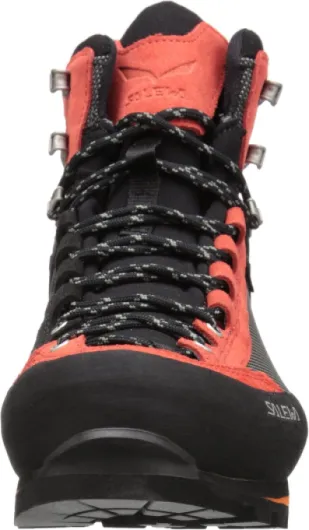
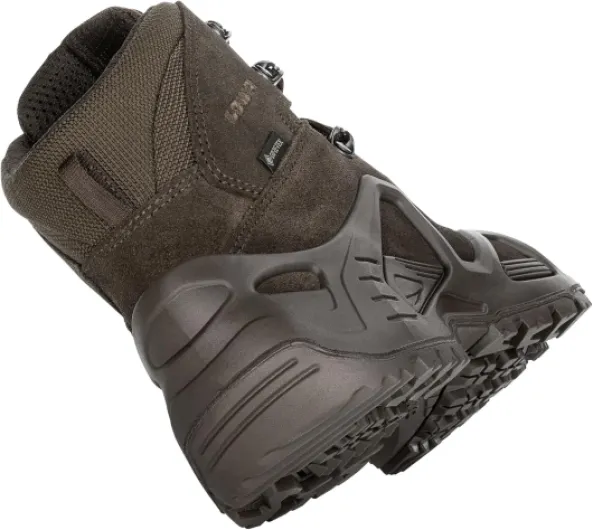
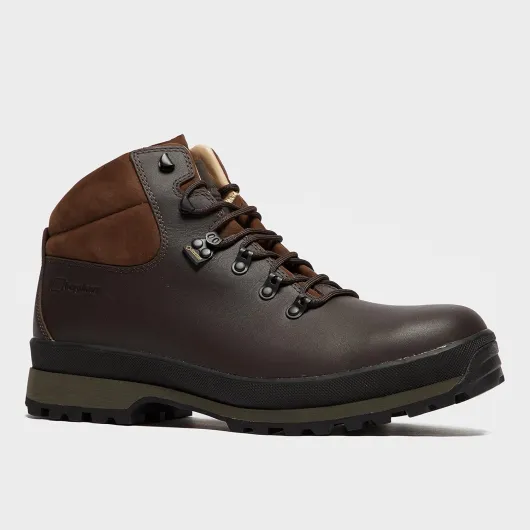
Out of the box, the Hillmaster II looks and feels like a traditional leather hiking boot. The pair in Coffee Brown is pretty low-key: solid colour, no loud logos, just a small Berghaus badge and some stitching. If you’re into flashy colours, this won’t excite you, but if you want something that doesn’t scream “technical gear” when you pop into the pub after a walk, it’s spot on. It’s a mid-top boot, coming up just over the ankle, so you get some support without feeling like you’re wearing ski boots.
Weight-wise, they’re around 1 kg for the pair, which you do notice if you’re used to trail runners. They’re not bricks, but they’re not light either. The laces are standard round hiking laces, nothing fancy, but they hold a knot well and haven’t slipped on me so far. The metal eyelets and hooks feel tough; no bending or weird noises when tightening them up. The tongue is gusseted quite high, which helps with water resistance when you step in puddles.
Inside, you’ve got a memory foam collar and tongue, which sounds like marketing, but in practice it just feels nicely padded around the ankle and the top of your foot. The insole is basic, removable, and fine for shorter hikes, but if you have fussy feet or do long days, you might want to swap in your own insoles. The lining is Gore‑Tex, so it’s waterproof and breathable on paper, and you can feel the extra layer when you put them on – they’re more padded than a simple leather-lined boot.
Overall, the presentation is straightforward: proper leather boot, no nonsense, ready to go. Nothing in the box besides the boots and tissue paper, so don’t expect spare laces or fancy extras. It feels like money has gone into the boot itself, not into packaging or gimmicks, which I actually prefer at this price point.
Pros
- Very good waterproofing and solid protection thanks to leather + Gore‑Tex combo
- Supportive fit with firm heel and ankle support, good for rough terrain
- Durable materials and construction that should last several seasons with basic care
Cons
- Heavier and warmer than modern lightweight hiking shoes or trail runners
- Requires a short break‑in period and benefits from aftermarket insoles for picky feet
- Regular width and relatively snug toebox may not suit very wide feet
Conclusion
Editor's rating
The Berghaus Hillmaster II Gore‑Tex is a solid, old-school leather hiking boot that does the basics very well: it keeps your feet dry, supports your ankles, and feels tough enough to handle years of use if you look after it. Comfort is good after a short break‑in period, thanks to the memory foam collar and tongue, and the Vibram sole grips reliably on typical UK terrain – wet mud, grass, and rocky paths. It’s not the lightest or flashiest boot, but it feels trustworthy underfoot.
This boot is best for people who actually hike regularly, especially in wet, mixed conditions, and who don’t mind a bit of weight in exchange for support and durability. If you like classic leather boots and you’re happy to clean and proof them now and then, you’ll probably be pleased with these. They’re decent value in the long run, especially if you’re coming from cheaper boots that fall apart after a year.
On the flip side, if you mainly do short, easy walks, or you prefer light, trainer-like footwear, these will feel heavy and a bit overbuilt. Breathability is fine for a waterproof boot, but not ideal for hot climates. And if you have very wide feet or hate any break‑in at all, you might want to try them on carefully or look at wider, softer options. Overall, a pretty solid, dependable hiking boot, not perfect, but it gets the job done for serious walking in rough, wet conditions.